
Dervishiya cadambae
Dervishiya cadambae
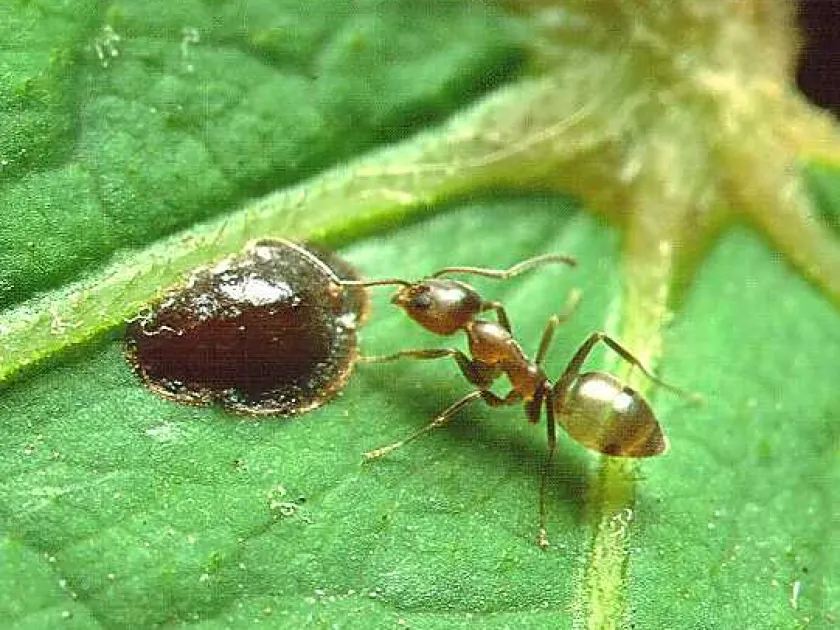
Description
How to identify
Dervishiya cadambae is a specialized plant pest belonging to the order Hemiptera and the family Pseudococcidae (mealybugs).
Adult individuals are characterized by an oval body shape covered in a distinct white, powdery waxy layer that protects the insect from adverse environmental conditions.
Females of this species are sessile or have limited mobility, attaching themselves to plant tissues, while males are capable of flight to locate mates, ensuring the wide dispersal of the population.
The larvae, known as crawlers, are highly mobile during their early stage, allowing them to quickly spread throughout the plant or migrate to adjacent host plants.
Systematically, this species is a highly specialized sap-sucking insect that requires careful monitoring to assess the phytosanitary status of crops.
What it damages
This pest primarily infests woody and shrubby crops, including various ornamental and tropical species such as Neolamarckia cadamba.
Damage is caused by both adults and larvae, which feed by inserting their mouthparts into young shoots, leaves, and flower buds to extract plant sap.
During feeding, these insects secrete a sticky substance known as honeydew, which serves as a fertile substrate for the growth of sooty mold fungi.
Mass infestations lead to inhibited photosynthesis, premature yellowing, and leaf drop, which significantly impacts the ornamental value and overall vigor of the host plant.
If left unchecked, colonies of mealybugs can cause severe degradation of specific stems or even lead to the death of young nursery stock.
When it appears
Pest activity is directly dependent on temperature, with the most intensive reproductive cycles occurring during periods of sustained warm and humid weather.
The life cycle includes multiple generations per year, the frequency of which is determined by regional climatic conditions and the availability of hosts throughout the season.
In greenhouses or indoor environments, Dervishiya cadambae can breed year-round, posing a constant risk to the maintenance of a high phytosanitary standard.
Population peaks typically occur in the middle of the growing season when the metabolic rates of the insects are at their maximum.
Overwintering occurs in the larval or egg stage, tucked away in sheltered locations such as bark crevices, leaf axils, or the top layer of soil near the root zone.
Signs of infestation
The first indicator of an infestation is the appearance of white, cotton-like wax clusters on the undersides of leaves and at the nodes where branches meet the stem.
A sticky residue on leaf surfaces, resulting from insect secretions, is a classic symptom signaling the presence of mealybug colonies.
The emergence of black sooty mold is a clear sign that the pest colony has been established on the plant for a significant amount of time, requiring urgent action.
Plants affected by Dervishiya cadambae exhibit stunted growth, deformation of new foliage, and general chlorosis of the vegetative parts.
A visual inspection of leaf axils and stems during sunny weather often reveals the insects themselves, which have a characteristic grayish-white coloration.
Control measures
Effective management relies on a combination of cultural practices and the timely application of systemic insecticides.
Regular sanitary pruning is highly recommended to improve canopy aeration and to remove the most heavily infested plant parts.
Biological control methods include the release of entomophages, such as predatory lady beetles, which are effective in reducing mealybug population densities.
Chemical applications should utilize systemic insecticides such as imidacloprid or other neonicotinoids, which demonstrate high penetration and residual efficacy.
A critical component of any control program is strict quarantine of new plant material to prevent the accidental introduction of the pest into clean areas.
Taxonomy
- Latin name
- Dervishiya cadambae
- Order
- Lepidoptera (butterflies)
- Family
- Cossidae
- EPPO code
- COSSCA
Discussion
No discussions yet — be the first.