
Blue bottle fly
Cynomya mortuorum
Description
How to identify
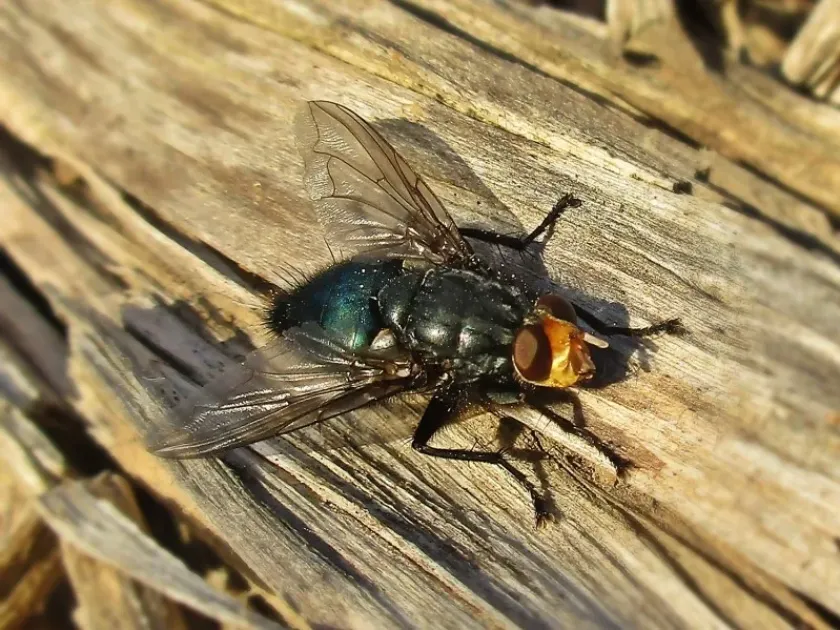
The Blue bottle fly (Cynomya mortuorum) belongs to the Calliphoridae family. These insects are easily recognized by their metallic blue or steel-blue thorax and abdomen, often reaching sizes of 10 to 14 millimeters.
The head features yellowish cheeks, and the body is densely covered in bristles, which is a characteristic feature of this family. Their wings are transparent and powerful, allowing them to fly long distances to find suitable breeding grounds.
While they are primarily necrophagous, they act as significant pests in agricultural environments where organic materials are stored. Their biological development cycle is rapid, allowing them to produce multiple generations per season.
Larvae are typical of the blowfly family, with a cylindrical body and specialized hooks for feeding. They thrive in protein-rich substrates, which explains their attraction to agricultural and livestock facilities.
Temperature plays a crucial role in their development. Under optimal conditions, the life cycle from egg to adult is relatively short, making them highly successful in proliferating within warm, nutrient-rich environments.
What it damages
Blue bottle flies do not damage crops directly but pose a significant threat to agricultural products and food safety. They act as vectors for various pathogens, contaminating stored goods and food processing equipment.
In livestock production, they are a major concern due to myiasis. Larvae can infest open wounds on cattle, sheep, and other animals, leading to severe health complications, reduced weight gain, and lower overall productivity.
The presence of these flies in silos and feed storage areas can lead to the rapid spoilage of feedstuffs, as the larvae consume the material and introduce bacteria, negatively affecting the quality of livestock nutrition.
Large populations in farm facilities create unsanitary conditions that can compromise quality control standards, making it difficult for producers to meet international export or food safety requirements.
By spreading fecal matter and bacteria across surfaces, they exacerbate sanitary risks in buildings, potentially leading to increased veterinary and maintenance costs for the farmer.
When it appears
Activity typically begins in the spring when temperatures rise above 10-12°C. The peak population density occurs during the hot summer months, which provide ideal conditions for breeding and development.
As autumn approaches, activity declines, though they may continue to reproduce in sheltered or temperature-controlled environments such as greenhouses, barns, or warehouse facilities.
During periods of drought or intense heat, these flies often congregate near agricultural facilities that provide the necessary moisture and organic resources for their survival and egg-laying.
Monitoring the seasonal emergence using light traps or sticky plates is recommended to evaluate the infestation level before populations grow beyond manageable limits.
In many regions, the end of the season is marked by a transition to a dormant state as temperatures drop, although larval development can persist in warm indoor habitats.
Signs of infestation
A high density of adult flies buzzing around waste management sites, manure pits, or animal housing is the most obvious sign of an ongoing infestation.
The presence of fly eggs or larvae in rotting organic matter or animal bedding indicates active breeding sites that need urgent sanitation or removal.
Injuries on livestock with signs of infestation—such as wet, irritated skin or the presence of larvae—are clear clinical signs of blue bottle fly activity on the farm.
Dark fecal spots on walls, windows, and equipment surfaces are reliable indicators of high fly activity and suggest the need for deep cleaning and disinfection.
A foul, putrid odor emanating from storage areas often confirms the colonization of waste by fly larvae, which contribute to the breakdown and decay of the substrate.
Control measures
Strict sanitation is the foundation of management. Removing organic waste, cleaning spills, and securing trash containers are essential steps to limit breeding opportunities.
Using residual insecticides to treat walls and potential resting areas helps to suppress adult populations effectively in farm buildings and storage warehouses.
Exclusion methods, such as installing high-quality insect screens and air curtains at facility entrances, are vital for preventing the entry of flies into critical production areas.
Veterinary vigilance is key to preventing myiasis. Keeping livestock healthy and treating wounds promptly with appropriate repellents or medications reduces the risk of infestation.
- Consistent waste removal and sanitation.
- Use of light traps and sticky tape.
- Sealing off animal feed storage areas.
- Regular inspection of livestock for injuries.
Taxonomy
- Latin name
- Cynomya mortuorum
- Order
- Diptera (flies)
- Family
- Calliphoridae
- EPPO code
- CYNMMO
Discussion
No discussions yet — be the first.