
Cychrus caraboides
Cychrus caraboides
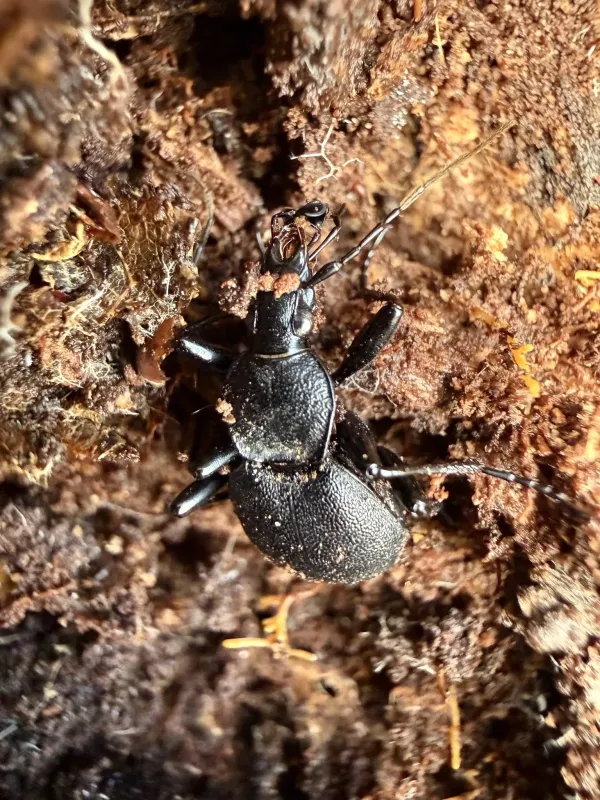
Description
How to identify
Cychrus caraboides is a specialized ground beetle species known for its elongated head and slender pronotum. This anatomical feature is an evolutionary adaptation that allows the beetle to reach deep into snail shells to feed.
The adult beetle is typically black with a matte or slightly metallic sheen, measuring between 14 and 19 millimeters in length. Its elytra are covered with distinct fine tubercles and wrinkles, which help distinguish it from other carabid beetles.
The larvae are campodeiform and possess well-developed, sharp mandibles. They lead a secretive, nocturnal lifestyle, typically residing in damp leaf litter or decaying organic matter, making them difficult to spot in the garden.
This beetle is strongly associated with moist, shaded habitats, such as woodland edges or heavily mulched garden beds. It is rarely found in dry, open areas due to its physiological dependence on high moisture levels.
While often considered a predator of slugs and snails, its status can shift to a minor pest when its primary food source is scarce, leading to occasional damage on succulent seedling tissues.
What it damages
The diet of Cychrus caraboides is almost exclusively composed of terrestrial gastropods, including various species of slugs and snails that are major agricultural pests. Thus, they are often beneficial in home gardens.
However, when gastropod populations are low, these beetles may cause secondary damage by feeding on tender plant parts. This typically occurs in early spring when young, succulent seedlings emerge in humid garden environments.
Symptoms of feeding include jagged holes on the leaves and stems of low-growing plants, such as lettuce, strawberries, and cruciferous vegetables. This damage can stress the plant and increase susceptibility to secondary rot.
Crops grown using thick mulching techniques are most at risk, as the mulch provides an ideal environment for both the prey (snails) and the beetles. The damage is usually more localized rather than widespread.
Proper identification is crucial to avoid mistakenly targeting a potentially beneficial molluscivore with broad-spectrum insecticides, which would disrupt the natural balance of the garden ecosystem.
When it appears
Adult beetles become active in early spring as soon as soil temperatures reach a threshold that promotes the movement of slugs and snails. Their activity peaks during periods of high humidity and rainfall.
The life cycle consists of a single generation per year. Winter is spent in the adult stage, sheltered deep within the soil, beneath thick leaf litter, or inside decaying stumps, which provide insulation and moisture.
Reproduction occurs during the summer months. Successful larval development relies heavily on the presence of a steady food supply (gastropods) and a protected, humid microclimate that prevents desiccation.
In hot and dry summer weather, these beetles remain dormant or migrate to cooler, deeper soil layers. They resurface only when conditions become favorable again, often following periods of consistent precipitation.
Monitoring for their presence is most effective at night, using pitfall traps or by inspecting the soil surface near damp, mulched areas where mollusc activity is observed.
Control measures
Control measures are rarely necessary for Cychrus caraboides. Cultural practices aimed at reducing slug and snail populations are usually sufficient to mitigate any potential issues with this beetle.
Removing garden debris, such as old boards, rocks, and thick mats of decaying vegetation, eliminates the hiding spots for both the prey and the beetle, making the environment less hospitable for them.
Maintaining proper spacing between plants and ensuring good air circulation reduces humidity levels near the soil, which helps keep gastropod populations under control and minimizes beetle activity.
Chemical intervention is strongly discouraged. Because these beetles primarily hunt molluscs, they serve a beneficial purpose; instead, use iron phosphate-based baits for slug control, which are safe for beneficial insects.
Encouraging biodiversity by providing habitats for other natural predators, such as toads, hedgehogs, and ground-feeding birds, creates a robust ecosystem that naturally regulates the populations of garden pests.
Taxonomy
- Latin name
- Cychrus caraboides
- Order
- Coleoptera (beetles)
- Family
- Carabidae
- EPPO code
- CYCHCA
Discussion
No discussions yet — be the first.