
Cychrus
Cychrus
Description
How to identify
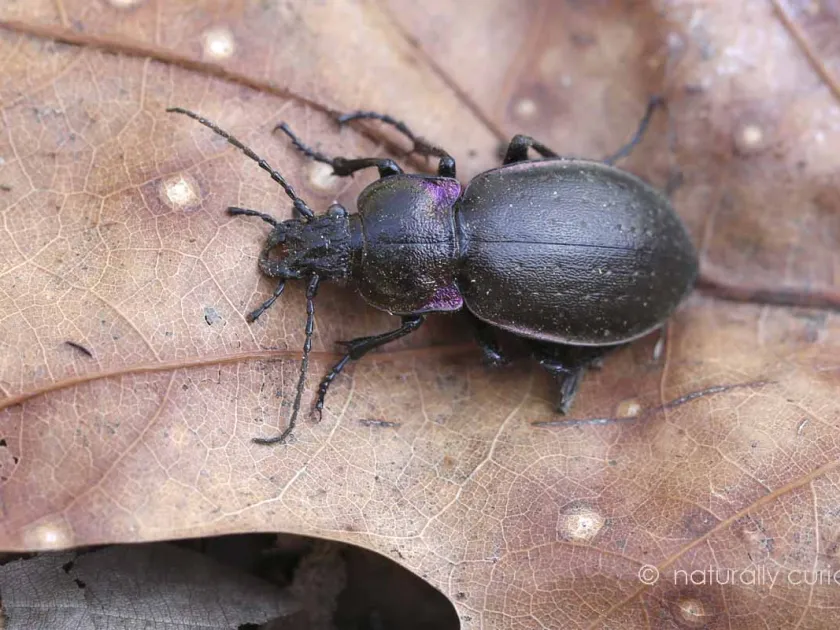
The Cychrus genus belongs to the family Carabidae, commonly known as ground beetles. These insects are easily identified by their elongated head and narrow pronotum, which allows them to reach deep into the shells of snails to feed.
Most species in this genus possess a dark, often metallic exoskeleton. The elytra (wing covers) feature a distinct, coarse, and wrinkled texture, which serves as a primary diagnostic characteristic for species identification.
Adult beetles typically range from 15 to 25 millimeters in length. They are equipped with robust, long legs that facilitate efficient movement across the soil surface and through dense leaf litter while hunting.
The larvae are also predatory and active in the soil. They develop through a complete metamorphosis, transitioning through egg, three larval stages, pupa, and adult phases.
While their appearance might seem intimidating, it is crucial to recognize these insects as highly specialized predators rather than garden pests.
What it damages
From an agricultural and horticultural perspective, Cychrus beetles cause absolutely no damage to crops, vegetables, or ornamental plants.
They do not feed on plant tissues, stems, roots, or fruit. Their specialized mouthparts are exclusively evolved to extract soft-bodied prey, such as snails and slugs, from their shells.
By consuming snails and slugs, these beetles provide a significant ecosystem service by reducing populations of common garden pests that are notorious for devouring young seedlings and leafy vegetables.
Because they act as natural controllers of harmful gastropods, they are considered valuable allies in sustainable farming and gardening practices.
It is a common misconception to categorize them as pests based solely on their predatory appearance; in reality, they are beneficial predatory beetles.
When it appears
The active season for Cychrus corresponds with the availability of their prey, typically from spring through late summer when snails are most abundant.
These beetles are nocturnal by nature, preferring to hunt under the cover of darkness to avoid predators and extreme temperature fluctuations.
They overwinter as adults in the soil, beneath thick layers of leaf litter, or within decaying wood, where microclimates remain stable throughout the winter months.
The reproductive cycle is closely synchronized with environmental humidity levels, as their prey requires damp conditions to remain active.
High population densities of these beetles are often found in woodland-edge environments and moist, well-mulched gardens where their food sources thrive.
Signs of infestation
The most reliable sign of Cychrus presence is the discovery of empty, intact snail shells that show specific damage patterns consistent with the beetle’s narrow head insertion.
During the day, adults can often be found by lifting garden debris, stones, or damp logs in shaded areas where they seek protection from the heat.
The health of your garden crops in the presence of these beetles will be characterized by a notable reduction in slug-related damage to foliage and stems.
Unlike herbivorous pests, you will never see shredded leaf edges, holes in fruits, or hollowed-out roots caused by these ground beetles.
Observation of the soil surface during the night may reveal these beetles actively patrolling for food, confirming their role as biological guards.
Control measures
No control measures should be taken against Cychrus beetles, as they are non-pest, beneficial insects that help maintain garden health.
- Avoid the use of non-selective broad-spectrum insecticides.
- Maintain natural habitats like brush piles, leaf litter, and mulch.
- Refrain from applying chemical molluscicides that could harm these predators.
- Provide diverse garden environments to support the long-term survival of predator populations.
Preserving these beetles is a key component of Integrated Pest Management (IPM), as they provide free, effective control of mollusk pests.
Taxonomy
- Latin name
- Cychrus
- Order
- Coleoptera (beetles)
- Family
- Carabidae
- EPPO code
- CYCHSP
Discussion
No discussions yet — be the first.