
Cybocephalus binotatus
Cybocephalus binotatus
Description
How to identify
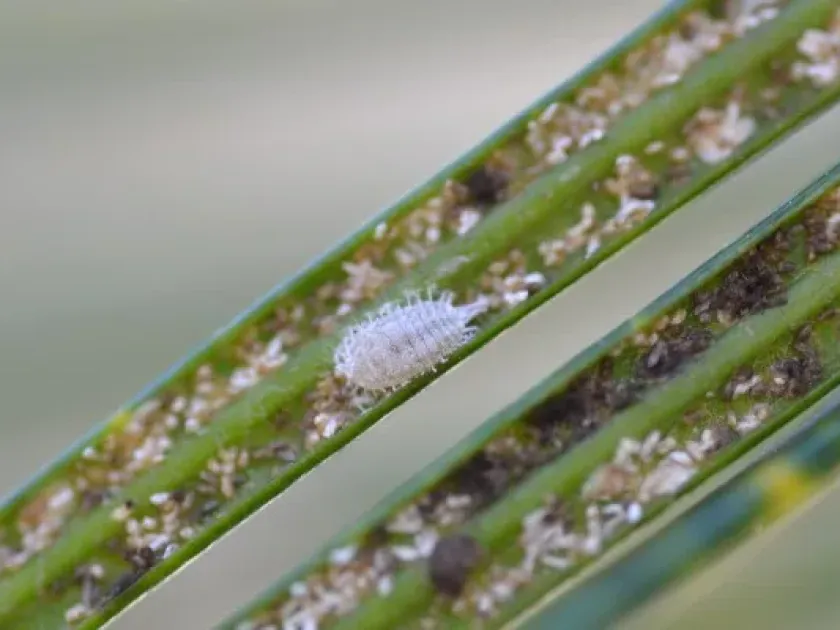
Cybocephalus binotatus is a small beetle belonging to the family Cybocephalidae. These insects are characterized by their compact, nearly hemispherical bodies, which are typical for members of this genus, measuring usually around 1.5–2 mm in length.
The adult beetles are generally dark-colored, ranging from black to dark brown. A distinctive feature is the presence of two visible light-colored or reddish spots on their elytra, which serves as a primary diagnostic trait for field identification.
The head and pronotum of the beetle are tightly integrated into the body structure, creating a streamlined, smooth appearance that helps the insect maneuver through dense plant foliage or bark crevices.
While the larvae often develop hidden within colonies of scale insects, adults are frequently observed wandering on the surface of plant organs. Their well-developed eyes allow them to navigate effectively in search of food or mating partners.
Taxonomically, this species is categorized under the order Coleoptera. Despite their small size, their physical characteristics make them distinct enough to be recognized by agricultural scouts during standard monitoring programs.
What it damages
This pest primarily affects woody and ornamental plants, including various fruit trees and shrubs. The damage is most pronounced when the beetles feed on young, developing plant tissues during the early growing season.
The most critical damage occurs during the budding stage. Adults chew into the developing buds, causing them to deform, dry out, or fall off before they can bloom, which directly reduces the yield potential of the plant.
Feeding on young fruits is another significant issue. The insects create small, localized lesions that can lead to necrotic spots on the fruit surface, significantly degrading the marketability and aesthetic quality of the harvest.
Severe infestations can cause substantial losses in nurseries and orchards, where the growth of young plants is severely hindered due to the continuous stress and tissue damage caused by the beetles' feeding activity.
Furthermore, the physical wounds inflicted by the beetles serve as entry points for various secondary pathogens, including bacteria and fungi, which can exacerbate the overall health degradation of the host plant.
When it appears
The seasonal activity of Cybocephalus binotatus begins in early spring, synchronized with the onset of favorable temperatures that promote bud break in host plants. This is the period when they emerge from their overwintering sites.
The peak population density usually coincides with the flowering and fruit-setting phases. During this time, the beetles are highly active, feeding and mating to ensure the survival and expansion of the next generation.
As summer progresses, the beetles may become more elusive, often staying deep within the tree canopy where the environment is stable. Their activity levels may fluctuate depending on local humidity and temperature conditions.
During the autumn months, the beetles seek secure locations for overwintering. They typically choose places like bark crevices, leaf litter, or the upper layers of soil beneath the host plant to protect themselves from winter temperatures.
Understanding the synchronization between the beetle's life cycle and the plant's phenology is vital for successful timing of any control measures throughout the growing season.
Signs of infestation
The primary symptom of an infestation is the appearance of tiny, pinpoint-sized holes on the surface of buds and young shoots. Over time, these small wounds can lead to localized blackening and necrosis.
A notable sign is the premature drying and shriveling of buds, often occurring without any obvious explanation. This is frequently a result of the beetles feeding on the internal tissues of the bud, cutting off nutrient flow.
On young fruit, look for small, scarred, or corky spots. These blemishes are the direct result of the beetles' feeding activity, which interrupts the normal development of the fruit skin and leads to disfiguration.
The insects themselves are small and can be identified as dark moving specks on leaves. When disturbed, they exhibit a characteristic "death feigning" behavior, dropping to the ground to avoid capture.
Persistent presence of underdeveloped buds and stunted growth in young shoots are clear indicators of a high infestation level that requires immediate management attention.
Control measures
Effective management of Cybocephalus binotatus involves an integrated pest management (IPM) approach that combines cultural, biological, and chemical strategies to minimize crop loss.
- Apply systemic insecticides during the early spring when buds begin to swell.
- Regularly prune and destroy infested plant parts to reduce the overwintering population.
- Monitor beetle presence using visual inspections and light traps.
- Encourage natural predators such as birds and beneficial insects in the orchard.
Chemical control should be applied judiciously, favoring targeted applications at the right phenological stage to ensure efficacy while minimizing the impact on the local ecosystem and non-target organisms.
Good horticultural practices, such as maintaining plant vigor and proper sanitation, are essential for increasing the host plant's resilience against this pest and preventing major outbreaks in the future.
Taxonomy
- Latin name
- Cybocephalus binotatus
- Order
- Coleoptera (beetles)
- Family
- Nitidulidae
- EPPO code
- CYBOBI
Discussion
No discussions yet — be the first.