
Cybocephalus
Cybocephalus
Description
How to identify
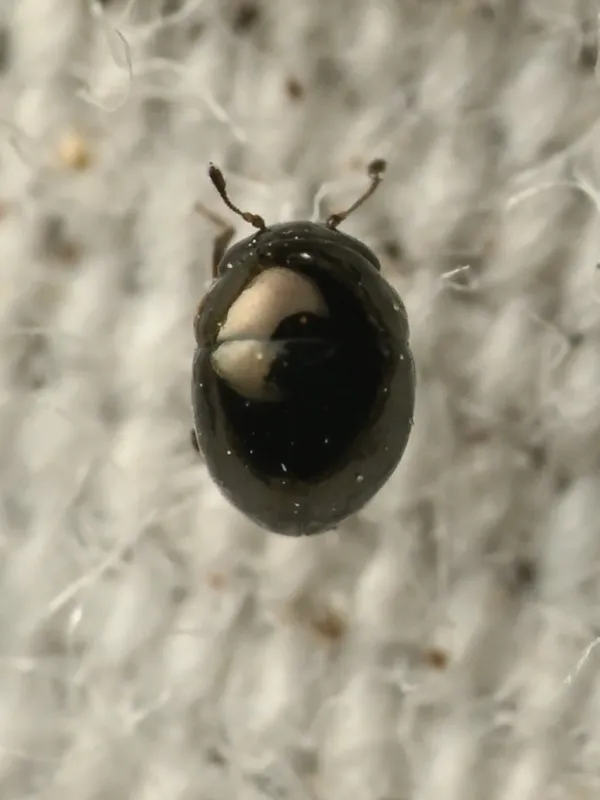
Cybocephalus is a genus of beetles belonging to the family Cybocephalidae within the order Coleoptera. These minute beetles are known for their hemispherical, dome-shaped bodies, which enable them to wedge themselves under the scales of their prey.
The adults are typically very small, ranging from 1 to 2 millimeters in length. Their coloration is usually glossy black or dark brown, making them difficult to spot against the textured bark of fruit trees.
The larvae are specialized predators that live in close association with their host colonies. They are particularly adapted to hunting within the protected shells of scale insects.
This genus is widely recognized by entomologists as a beneficial predator. However, understanding their life cycle is crucial for orchard management to ensure they are not negatively impacted by broad-spectrum pesticide applications.
Proper identification requires microscopic examination of structural features, as they share morphological similarities with other small beetles found in similar habitats.
What it damages
The primary food source for Cybocephalus species consists of various scale insects (Diaspididae) and soft scales (Coccidae) that attack agricultural crops.
While they are technically predators, in some intensive agricultural settings, their presence might disrupt established biological control programs by competing with or preying upon other beneficial organisms.
The beetles themselves do not consume plant tissues, meaning they cause no direct primary damage to the host trees, vines, or ornamentals they inhabit.
Common hosts include citrus, apple, pear, and stone fruit trees, where scale insect infestations are frequent. They effectively reduce the number of pests through predation.
Host plant damage is strictly related to the level of the scale insect infestation; the beetles are simply attracted to the abundance of food available in these colonies.
When it appears
Activity of Cybocephalus typically begins in the early spring as temperatures rise above 10-12 degrees Celsius, signaling the emergence of overwintering adults.
The summer months constitute the peak period of activity, characterized by intensive feeding and reproductive cycles aligned with the high density of prey populations.
Depending on the climate and geographical region, multiple generations can occur throughout a single growing season, ensuring the survival and proliferation of the species.
As autumn progresses and temperatures decline, adult beetles seek out overwintering sites, often hiding deep within bark crevices or sheltered spots on the trees.
Survival through the winter is generally high provided that the conditions remain stable and there is enough shelter available for the population to endure cold weather.
Signs of infestation
Presence of these beetles is often indicated by the appearance of "hollowed out" or damaged scale insect shields on the twigs and branches of trees.
Observers can detect their presence by conducting regular monitoring, such as using a beating sheet under branches or examining bark closely with a magnifying glass.
A noticeable decline in the health and vitality of scale insect colonies without the recent application of insecticides is a strong indicator of predator activity.
- Small puncture marks or irregularities on scale insect armor.
- Visible presence of tiny, dome-shaped dark beetles on foliage or branches.
- Reduced overall population density of scales in established orchard areas.
It is essential to distinguish between the work of Cybocephalus and other factors like parasitoid wasps or fungal diseases that also target scale insects.
Control measures
Management of Cybocephalus is usually centered on protection rather than eradication, as they serve as vital natural regulators for problematic scale pests.
To support these beneficial insects, farmers should avoid the use of harsh, non-selective chemical pesticides that may inadvertently kill them along with the pests.
Implementing integrated pest management (IPM) strategies is the most effective way to ensure that Cybocephalus remains a component of the local ecosystem.
General cultural practices, such as pruning infected branches to reduce pest pressure, should be performed carefully to avoid removing the habitat of the predators.
Maintaining a balanced orchard environment allows the natural predator-prey dynamics to minimize the need for external chemical interventions in crop protection.
Taxonomy
- Latin name
- Cybocephalus
- Order
- Coleoptera (beetles)
- Family
- Nitidulidae
- EPPO code
- CYBOSP
Discussion
No discussions yet — be the first.