
Cuterebra
Cuterebra
Description
How to identify
Cuterebra is a genus of large, bee-like flies belonging to the family Oestridae. Unlike common plant pests, these insects are obligatory parasites of mammals, known for their specific life cycle.
The adults, often resembling large bumblebees, are robust and hairy. They lack functional mouthparts, meaning they do not feed during their adult stage and live only long enough to reproduce.
Their life cycle typically involves rodents and rabbits. Female flies lay eggs near the burrows or trails frequented by these hosts. The larvae hatch and attach themselves to the host’s fur.
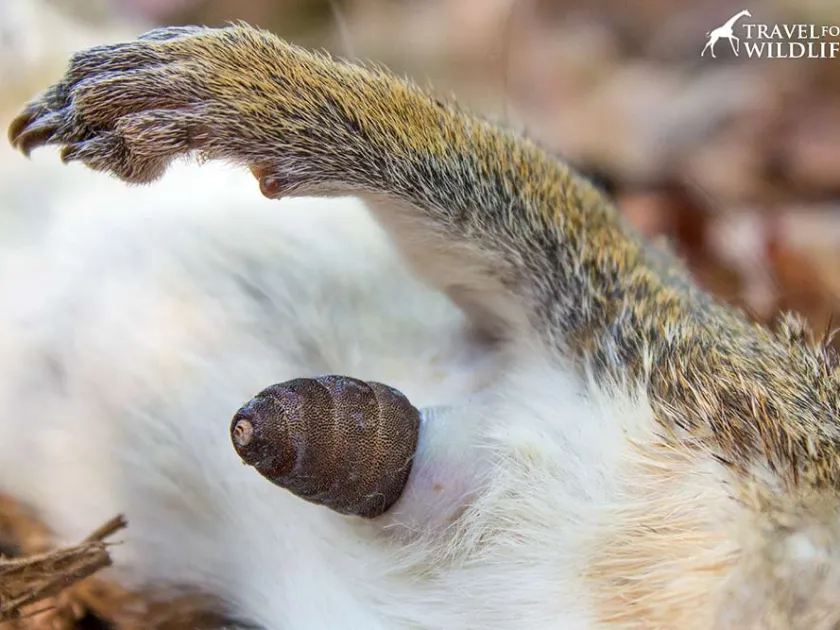
Upon finding a host, the larvae enter through natural openings or small skin lesions. Once inside, they establish a subcutaneous pocket known as a warble, where they develop while feeding on host tissue.
After maturation, the larvae emerge from the host to pupate in the soil, completing the cycle as they prepare to emerge as adults in the following warm season.
What it damages
The primary impact of Cuterebra is the development of myiasis in infested mammals. While they do not directly attack plant crops, they pose a significant threat to livestock and pet health.
Infestation causes the formation of painful, tumor-like swellings and draining tracts under the skin. This leads to considerable discomfort and stress for the affected animal.
Productivity in livestock is often hindered by the presence of these larvae, leading to weight loss, decreased appetite, and potential damage to hide quality.
Secondary bacterial infections are a common complication following the migration or emergence of the larvae, which can result in severe necrotic wounds or even sepsis.
For young animals, an infestation can be particularly taxing on the immune system, necessitating veterinary intervention to manage pain and prevent further systemic health issues.
When it appears
Cuterebra flies are generally active during the warmer months. The specific timing of their activity is closely tied to the climate of the region where they reside.
The peak season for larval infestation typically occurs during late summer and early autumn, coinciding with the period of greatest activity for their primary rodent hosts.
Weather conditions significantly impact the pupation stage, as the larvae require specific soil temperatures to develop into adult flies successfully.
Winter survival is achieved by the pupae stage, which remains dormant in the soil or within animal burrows, protected from extreme cold until spring arrives.
Understanding these seasonal patterns is essential for livestock managers to implement protective measures during high-risk months when adult flies are most prevalent.
Signs of infestation
The most prominent sign of a Cuterebra infestation is a firm, raised lump under the animal's skin that seems to grow steadily over several weeks.
A small hole, known as a breathing pore, is usually visible at the center of the swelling. You may observe a clear or pus-like discharge emanating from this opening.
Affected animals often display localized irritation, leading to excessive grooming, scratching, or biting at the site, which can exacerbate the lesion.
In many cases, the physical movement of the larva inside the subcutaneous cavity can be felt by gently palpating the area, which helps distinguish it from an abscess.
Systemic symptoms such as lethargy, loss of appetite, or mild fever may occur in more severe cases or when multiple larvae are present, requiring prompt diagnosis.
Control measures
Management of Cuterebra primarily focuses on reducing the proximity of domestic animals to the areas where these flies thrive, such as rodent-inhabited terrain.
Implementing effective rodent control programs on farms is the most proactive way to manage the fly population and reduce the risk of accidental host infestation.
If a larva is detected, it must be removed carefully by a veterinarian. Never attempt to crush or squeeze the larva out, as this can trigger a severe allergic reaction.
Post-removal care includes flushing the wound with antiseptic solutions to prevent secondary bacterial infections and monitoring for proper healing.
- Regular inspections of livestock during the peak fly season.
- Professional surgical removal of larvae.
- Keeping animal habitats clean and free of rodent nesting sites.
- Using veterinary-approved insect repellents to deter adult flies.
Taxonomy
- Latin name
- Cuterebra
- Order
- Diptera (flies)
- Family
- Cuterebridae
- EPPO code
- CUTESP
Discussion
No discussions yet — be the first.