
Pecan carpenterworm
Cossula magnifica
Description
How to identify
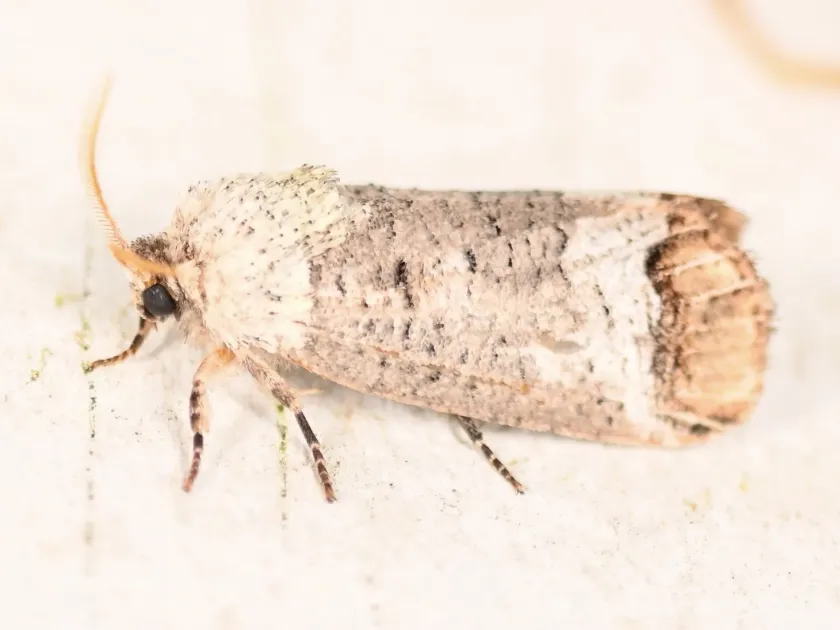
The pecan carpenterworm (Cossula magnifica) is a species of moth belonging to the family Cossidae. It is known primarily as a wood-boring pest that affects various hardwood trees.
The adult moth has a wingspan of approximately 40–50 mm, with mottled gray and brown forewings that provide excellent camouflage against tree bark.
The larval stage, which is the primary cause of damage, is a pale, fleshy caterpillar with a dark head. It spends its entire developmental period inside the trunk or branches.
The life cycle of this insect can span one or more years, depending on the environment, making it a persistent threat in infested orchards or forests.
Adult moths are nocturnal and are rarely seen during the day, which makes monitoring their populations difficult without specialized equipment.
What it damages
The pest primarily targets trees in the Juglandaceae family, such as pecan and hickory, but it can also infest other hardwood species if populations are high.
Larvae create extensive, deep galleries within the wood, which physically disrupts the flow of water and nutrients throughout the tree structure.
These galleries weaken the structural integrity of the branches, often leading to limb breakage during strong winds, especially in mature trees.
The infestation provides entry points for various fungal and bacterial pathogens, leading to wood rot and further decline in the tree's overall health.
Severe infestations can result in significant economic losses in commercial orchards due to stunted growth, reduced fruit production, and potential tree mortality.
Signs of infestation
One of the most visible signs is the presence of frass — a mixture of sawdust and excrement — pushed out of small holes in the bark of the trunk or limbs.
Sap exudation or gumming around entry holes is another common indicator that a larva is actively boring into the wood.
Leaves on infested branches often show symptoms of distress, such as chlorosis, wilting, or premature shedding during the growing season.
Empty pupal cases found protruding from exit holes on the tree surface during the late spring indicate that the adult moths have recently emerged.
Visible "dieback" or dead twigs in the canopy are characteristic of long-term infestation, suggesting that the interior galleries have significantly damaged the vascular system.
Control measures
Pruning and destroying heavily infested branches is the most immediate way to remove the larvae and reduce the local population of the pest.
Injecting approved systemic insecticides directly into the larval galleries can be an effective chemical control method for preserving high-value trees.
Maintaining tree vigor through proper irrigation, fertilization, and soil management helps trees withstand and recover from pest attacks.
- Use pheromone traps to monitor adult flight activity and time management interventions correctly.
- Apply specialized wound dressings to pruned areas to prevent secondary pest or disease colonization.
- Encourage the presence of natural predators and parasitoids that may help suppress carpenterworm populations in the long term.
Consistent monitoring and early detection are essential for preventing the spread of the pecan carpenterworm and minimizing damage to the orchard.
Taxonomy
- Latin name
- Cossula magnifica
- Order
- Lepidoptera (butterflies)
- Family
- Cossidae
- EPPO code
- COSUMA
Discussion
No discussions yet — be the first.