
Cossula
Cossula
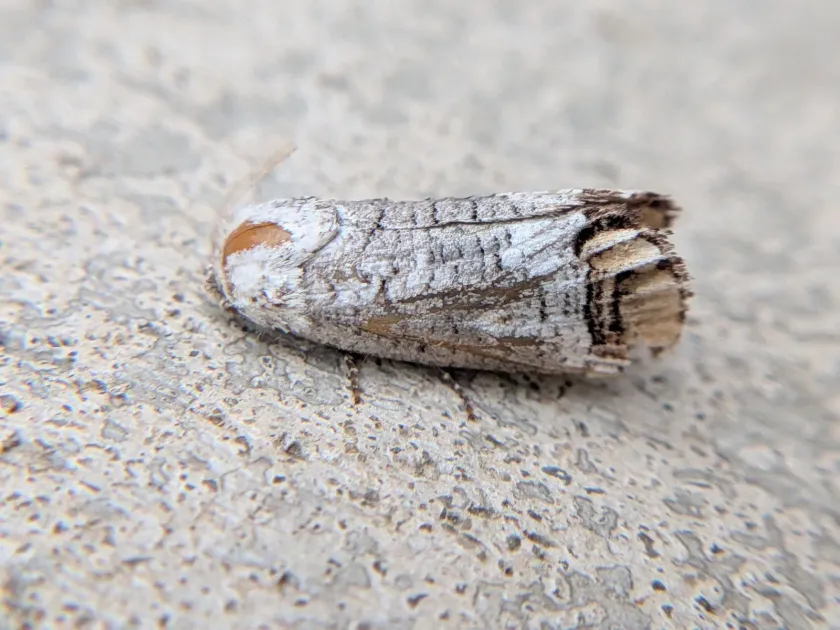
Description
How to identify
The genus Cossula belongs to the family Cossidae, commonly known as carpenter moths. These insects are characterized by their wood-boring larvae, which live protected inside the trunks and branches of woody plants for long periods.
Adult moths are typically medium to large with cryptic, greyish-brown coloration. This camouflage allows them to remain virtually invisible against the bark of trees during daylight hours when they are resting.
The larvae are the primary damaging stage. They have robust, sclerotized mouthparts designed for chewing through hard xylem. Their bodies are generally pale, which helps them stay undetected deep within the wood.
Due to their internal development, the population density is hard to estimate without specialized tools. Monitoring usually involves light traps or pheromone lures to track the flight periods of adult moths.
Understanding the life cycle is crucial because the larvae spend most of their life deep inside the plant, making them inaccessible to many standard foliar pesticide treatments.
What it damages
Cossula species attack a wide range of woody plants, including various fruit trees and ornamental forest species. The damage is cumulative, as larvae consume the internal tissues, weakening the plant's structure.
The tunneling activity disrupts the vascular system, effectively blocking the transport of water and nutrients. This leads to reduced vigor, stunted growth, and in severe cases, the death of individual branches or the entire tree.
External entry points serve as sites for secondary infections. Fungi and bacteria can easily penetrate the tree through these holes, leading to internal decay and canker formation that further exacerbates the damage.
Structural integrity is significantly compromised by larval galleries. In orchard settings, this makes branches prone to snapping under the weight of the fruit or during heavy wind events.
Economic impact is measured in both direct yield loss and the cost of replacing trees that have been structurally ruined or have succumbed to the cumulative stress of the infestation.
Signs of infestation
The presence of sawdust-like frass (larval excrement) at the base of the trunk or caught in branch crotches is the most reliable early indicator of an active infestation.
Small holes on the surface of the bark, often accompanied by sap flow or gumming, indicate where larvae have entered the wood. These spots are critical indicators for targeted control measures.
Leaf yellowing or the appearance of 'flags'—individual dead branches amidst a healthy canopy—suggests that the internal transport system of that branch has been severed by larval galleries.
Thinning of the foliage and premature leaf drop are common symptoms in heavily infested trees, reflecting the plant's inability to maintain its physiological functions due to the damage in the cambium layer.
Close inspection during the dormant season may reveal peeling bark and exposed entry holes, providing a clear view into the extent of the infestation before the next growing season begins.
Control measures
Cultural practices are the first line of defense. Maintaining tree vigor through proper irrigation, fertilization, and sanitation (removing dead or dying wood) reduces the likelihood of successful infestation.
Direct intervention involves manually clearing the entry holes and injecting approved contact or systemic insecticides into the galleries using a syringe, followed by sealing the hole with grafting wax.
Chemical control via foliar application is only effective during the critical window when larvae are newly hatched and crawling on the bark surface before they penetrate the protective wood layers.
Biocontrol options include the use of entomopathogenic nematodes, which can be applied to the entry holes to hunt and infect larvae inside their tunnels, providing an environmentally friendly control solution.
- Sanitation pruning of infested branches.
- Targeted injection of insecticides into galleries.
- Use of pheromone traps for monitoring.
- Application of beneficial nematodes in infected zones.
Taxonomy
- Latin name
- Cossula
- Order
- Lepidoptera (butterflies)
- Family
- Cossidae
- EPPO code
- COSUSP
Discussion
No discussions yet — be the first.