
Pale-yellow Cosmophyllum
Cosmophyllum pallidulum
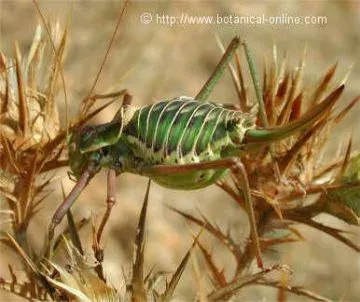
Description
How to identify
Pale-yellow Cosmophyllum (scientific name Cosmophyllum pallidulum) belongs to the order Coleoptera and the family Curculionidae. This small insect is distinguished by the specific pale yellowish tint of its elytra, which justifies its common name.
Adult individuals possess a typical snout, which they use for both feeding and depositing eggs inside plant tissues. The body of the imago is covered in fine scales that give it a matte appearance and aid in camouflage against the plant parts it infests.
Larvae are typically legless, possessing a curved, fleshy, whitish body with a dark head capsule. They lead a cryptic lifestyle, developing within plant tissues or the soil layer, which makes early detection by agricultural specialists challenging.
The biology of this species is closely linked to the phenological development stages of its host plants. The life cycle encompasses egg, larval, pupal, and imago stages, with the most significant damage occurring during the active feeding phases of both adults and larvae.
Insect development is directly dependent on environmental temperature and humidity. Optimal conditions for rapid proliferation of Cosmophyllum pallidulum are observed during warm periods with moderate rainfall, facilitating population buildup.
What it damages
This pest species primarily affects cereal crops, various grasses, and specific weed species within the Poaceae family. Damage manifests as a decline in plant metabolic processes due to the disruption of stem and leaf tissue integrity.
Adults prefer to feed on the leaf blade, creating small, irregularly shaped holes, which significantly reduces the photosynthetic area. Under high population density, complete defoliation of the plant is possible.
Larvae, in turn, damage the root system or the lower stem segments, posing a severe risk to young seedlings. Such injuries disrupt the supply of water and essential nutrients to the upper parts of the plant, often leading to seedling mortality.
The destructiveness of Cosmophyllum pallidulum is exacerbated during moisture deficits, as weakened plants are unable to compensate for the injuries. This makes the pest a significant threat in regions prone to drought or poor agricultural management.
The economic threshold of damage is determined based on the number of adults per square meter of crop area. Once this threshold is exceeded, immediate control measures must be implemented to prevent substantial yield losses.
Signs of infestation
The primary sign of field infestation is the appearance of characteristic through-holes or "windows" on the leaves. Often, the damage exhibits an edge-feeding pattern where leaf margins appear jagged or partially consumed.
Larval infestation often results in stunted plant growth, chlorosis, and premature wilting of lower leaves. In severe cases, plants can be easily pulled from the soil due to extensive damage to the root crown.
Adult beetles are often observed during early morning or evening hours, as they are more active during periods of lower solar radiation. During the heat of the day, they tend to hide in leaf axils or near the base of the stem.
A secondary sign is the secondary colonization by fungal infections at the wound sites left by the pest. The development of pathogens on damaged stem tissues accelerates plant decay and reduces the quality of harvested commodities.
Monitoring using yellow sticky traps or entomological sweeps allows for the timely identification of pest presence in the field before the damage becomes widespread.
Control measures
The primary protection method is strict adherence to crop rotation, which breaks the development cycle of the pest. Alternating crops with non-host species effectively suppresses the population of Cosmophyllum pallidulum in the soil.
Agronomic practices, such as deep autumn plowing, are highly effective in destroying overwintering stages by exposing them to surface environmental conditions, where they perish due to cold or predation.
The use of chemical plant protection products (systemic insecticides) is effective during the peak emergence of adults. Formulations based on pyrethroids or organophosphates have shown high efficacy in controlling the pest population.
Biological control plays a crucial role by encouraging and preserving populations of natural enemies, such as parasitic Hymenoptera and predatory ground beetles, which actively feed on the eggs and larvae of the pest.
- Utilizing certified seed treatments to protect young seedlings.
- Regular field scouting during critical growth periods.
- Removal of weeds from field perimeters to reduce breeding grounds.
- Timely fertilization to improve plant immunity and tolerance to pests.
Taxonomy
- Latin name
- Cosmophyllum pallidulum
- Order
- Orthoptera (locusts)
- Family
- Tettigoniidae
- EPPO code
- COSLPA
Discussion
No discussions yet — be the first.