
Coleomegilla
Coleomegilla
Description
How to identify
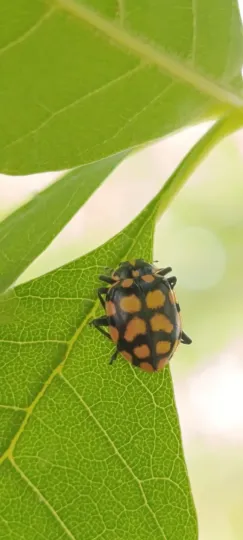
Coleomegilla, most notably the species Coleomegilla maculata, belongs to the lady beetle family (Coccinellidae) within the order Coleoptera. It is a distinct insect characterized by a pinkish-red body featuring dark, elongated spots, which helps in quick identification in the field.
Adult beetles typically measure between 5 to 6 millimeters in length. Their bodies are oval and moderately convex, typical of the ladybug family, and they are frequently seen crawling over the surface of leaves.
The larvae are elongated and have a dark, greyish-black appearance with orange or yellow markings. They are highly active predators, often described as resembling tiny alligators as they forage through vegetation.
These insects undergo a complete metamorphosis: egg, larva, pupa, and adult. They hibernate as adults in sheltered locations such as leaf litter, emerging in the spring when temperatures begin to rise.
They are predominantly found in a variety of crops, including corn, vegetables, and ornamental gardens, where they actively seek out their prey. Recognizing their specific color pattern is essential for avoiding accidental chemical control.
What it damages
Coleomegilla is not a plant pest; it is a highly beneficial predatory insect. Its primary role in the agro-ecosystem is to regulate populations of aphids, mites, and various insect eggs, acting as a natural protector of crops.
A unique biological trait of this genus is its omnivorous diet. While primarily carnivorous, they can supplement their protein intake with pollen from crops like corn, which allows them to survive during periods when insect prey is scarce.
Some growers mistakenly believe that feeding on pollen constitutes damage. However, this feeding behavior is negligible and does not impact the yield or health of the plants, especially when compared to the protection they provide against aphids.
They do not consume or damage plant tissues such as roots, stems, or leaves. The presence of these beetles is actually a sign of a healthy field environment where biological controls are working effectively to manage pest outbreaks.
Accusations of damage are almost always misidentified observations. As predators, they are an asset to any integrated pest management strategy and should be encouraged rather than eliminated from the farming environment.
Control measures
Control measures against Coleomegilla are neither necessary nor recommended. As a beneficial natural enemy of many agricultural pests, eliminating them would likely lead to an increase in aphid and mite infestations.
Farmers should implement Integrated Pest Management (IPM) practices to preserve these insects. This includes avoiding the use of broad-spectrum insecticides that kill beneficial populations alongside the pests they target.
Maintaining floral borders and avoiding excessive cleaning of field margins provides a habitat for these beetles. This ensures a stable population that can quickly respond to emerging pest threats within the primary crop.
If chemical intervention is absolutely necessary to control other pests, choose selective products that are specifically proven to be safe for lady beetles and other beneficial insects to ensure they remain in the ecosystem.
Education is the best control method for this "pest." By training farm workers to recognize the difference between a beneficial predator like Coleomegilla and an actual damaging pest, costs related to unnecessary chemical applications can be significantly reduced.
Taxonomy
- Latin name
- Coleomegilla
- Order
- Coleoptera (beetles)
- Family
- Coccinellidae
- EPPO code
- COLGSP
Discussion
No discussions yet — be the first.