
Coelophora veranioides
Coelophora veranioides
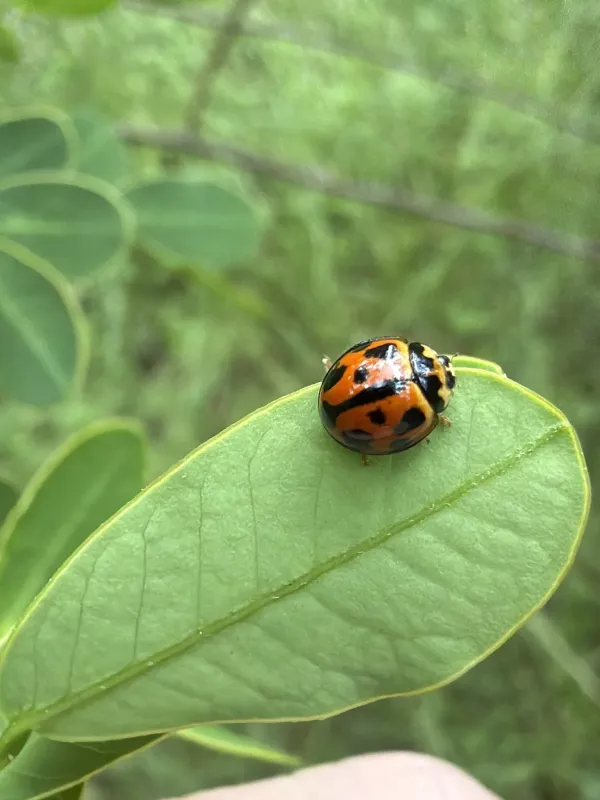
Description
How to identify
Coelophora veranioides belongs to the Coccinellidae family, commonly known as lady beetles, and requires careful classification due to the diversity of this genus in Asia.
These beetles are typically circular in shape and possess distinct markings on their elytra that serve as a primary guide for morphological identification by specialists.
While many species in this family are beneficial predators, Coelophora veranioides can be associated with plant damage in specific agro-ecosystems where ecological balances are shifted.
Accurate identification requires examining the adult specimens under magnification, especially to distinguish them from other closely related lady beetle species.
The biology of this species is relatively niche, necessitating field observations by agronomists to determine its role and impact within the local agricultural environment.
What it damages
The pest primarily feeds on the foliage of various crops, causing physical destruction that disrupts the plant's ability to undergo photosynthesis efficiently.
Feeding behavior often results in irregular holes in the leaf surface, which can lead to premature wilting and reduced vigor of the affected host plant.
In cases of high infestation levels, the beetle may also target developing buds or young stems, potentially stunting the overall growth of the crop.
The cumulative damage caused by the larvae and adults can lead to significant economic losses if the population density is not managed proactively.
Secondary infections may occur at the sites of damage, as the injured tissues provide an entry point for various plant pathogens and fungal diseases.
When it appears
The prevalence of Coelophora veranioides is heavily influenced by seasonal climate patterns, with peak activity occurring during the warmer spring and summer months.
As temperatures rise, the life cycle of the beetle accelerates, often leading to multiple generations emerging within a single growing season.
The beetle tends to synchronize its activity with the developmental stages of the crops it inhabits, particularly during the period of rapid vegetative growth.
Field colonization usually begins from the borders of the field, where adults migrate from nearby weeds or surrounding vegetation to settle on the primary host.
Environmental factors like humidity and consistent warmth play a crucial role in maintaining the population levels throughout the vegetation phase.
Signs of infestation
Early warning signs of an infestation include the appearance of small, irregular feeding marks on the undersides of the leaves, which expand as the pest matures.
A noticeable decrease in the aesthetic quality of the foliage is often the first indicator, followed by visible damage to the plant's structural integrity.
Inspectors should look for the presence of the beetles themselves, as well as their larvae, which are often found resting on the lower surface of leaves during the day.
- Visible bite marks on the leaf lamina.
- Presence of larval stages feeding on foliage.
- Leaf yellowing around damaged tissue areas.
- Accumulation of waste products near the feeding zones.
Regular scouting and monitoring using visual inspection techniques are essential for detecting the presence of this pest before it reaches the economic injury level.
Control measures
Managing this pest involves an integrated approach, starting with good agricultural practices such as weed management to eliminate alternative host plants.
Biological control methods, such as encouraging natural predators in the vicinity, can help keep beetle populations in check without resorting to heavy chemical use.
When chemical intervention is necessary, the use of targeted insecticides that are safe for beneficial insects is recommended to preserve the ecosystem balance.
Proper timing of applications based on monitoring data is vital to achieve maximum efficacy while reducing the frequency of field sprays.
Long-term strategies should include crop rotation and soil management to disrupt the life cycle of the pest and prevent successful overwintering in the fields.
Taxonomy
- Latin name
- Coelophora veranioides
- Order
- Coleoptera (beetles)
- Family
- Coccinellidae
- EPPO code
- COEPVE
Discussion
No discussions yet — be the first.