
Coelophora saucia
Coelophora saucia
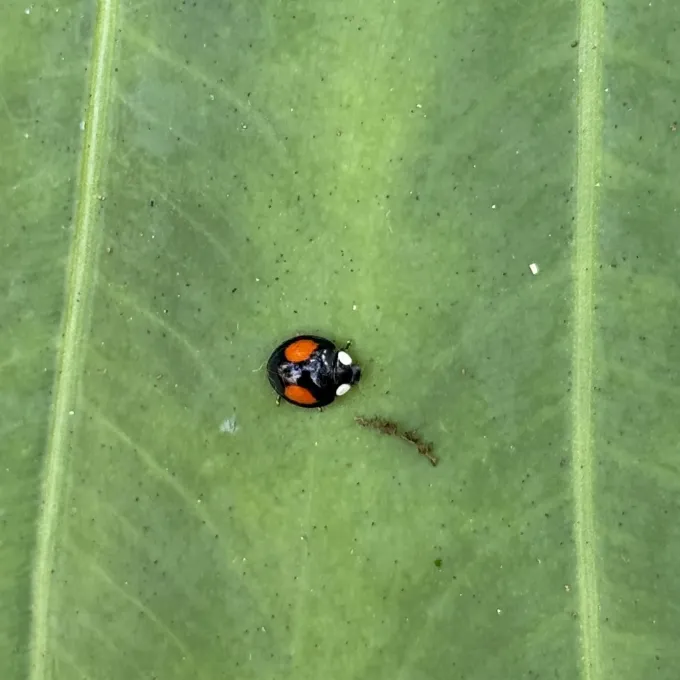
Description
How to identify
Coelophora saucia is a member of the Coccinellidae family, order Coleoptera. While many lady beetles are well-known predators of aphids and other small insects, Coelophora saucia is recognized as a phytophagous species that consumes plant tissue.
Adult beetles are typically small and possess a rounded or oval body shape. Their elytra (wing covers) display distinct yellow to orange hues with dark patterns, which help in their field identification among other Coleoptera.
The life cycle involves complete metamorphosis, including egg, larval, pupal, and adult stages. Larvae are often elongated, segmented, and may have specialized structures or hairs on their bodies for protection.
Understanding their developmental timeline is crucial, as the pest population can increase rapidly under favorable temperature and humidity conditions in agricultural environments.
Entomologists distinguish this species from beneficial predatory coccinellids by examining specific morphological characteristics, such as the pattern on the pronotum and the structure of reproductive organs.
What it damages
The damage caused by Coelophora saucia is primarily characterized by the feeding activity of both adults and larvae. Unlike beneficial ladybirds, they graze on the leaf surfaces of various host plants.
They consume the leaf epidermis and parenchyma, which disrupts the plant's ability to perform photosynthesis efficiently. This leads to weakened physiological processes and decreased plant vigor.
Severe infestations often result in extensive defoliation, particularly in young crops or sensitive nursery plants, where the loss of leaf area significantly reduces overall productivity and yield.
Wounds caused by their feeding serve as entry points for various secondary infections, including fungal and bacterial pathogens, which can exacerbate the impact of the pest on the crop health.
Feeding is not limited to leaves; in some cases, these beetles may also attack buds and tender shoots, leading to growth malformations that affect the development of the entire plant structure.
Signs of infestation
The primary symptom of infestation is the presence of "windowpane" marks on leaves, where the upper tissue is eaten away, leaving behind a thin, translucent layer that eventually dries out.
As the feeding continues, these areas turn brown or necrotic, leading to leaf distortion and potential premature leaf drop, which significantly degrades the aesthetic and functional value of the plants.
The presence of adult beetles on the undersides of leaves or along stem axils during cooler parts of the day is a strong indicator of an active infestation requiring attention.
Stunted growth or chlorosis in specific patches of the field can often be traced back to localized high densities of this pest, warranting a closer inspection of the canopy.
- Characteristic feeding marks on the leaf epidermis.
- Visible presence of multicolored beetles on host plants.
- Necrotic leaf tissue and partial defoliation.
Control measures
Integrated Pest Management (IPM) is the most effective approach to handle Coelophora saucia. It combines cultural practices with biological and chemical control measures.
Cultural control involves maintaining field hygiene by removing weeds that may harbor the pest during the off-season. Proper crop rotation can also disrupt the life cycle of the beetle.
Biological control relies on preserving natural enemies in the area. Parasitoid wasps and other predatory insects play a vital role in regulating the population density of the pest naturally.
Chemical control should be implemented only when scouting confirms that the population has reached an economic threshold. Using systemic insecticides can provide long-lasting protection for the crop.
Regular monitoring of plant health throughout the season is essential to detect the pest at the early larval stages, ensuring that control measures are applied when they are most effective and least invasive.
Taxonomy
- Latin name
- Coelophora saucia
- Order
- Coleoptera (beetles)
- Family
- Coccinellidae
- EPPO code
- COEPSC
Discussion
No discussions yet — be the first.