
Coelophora biplagiata
Coelophora biplagiata
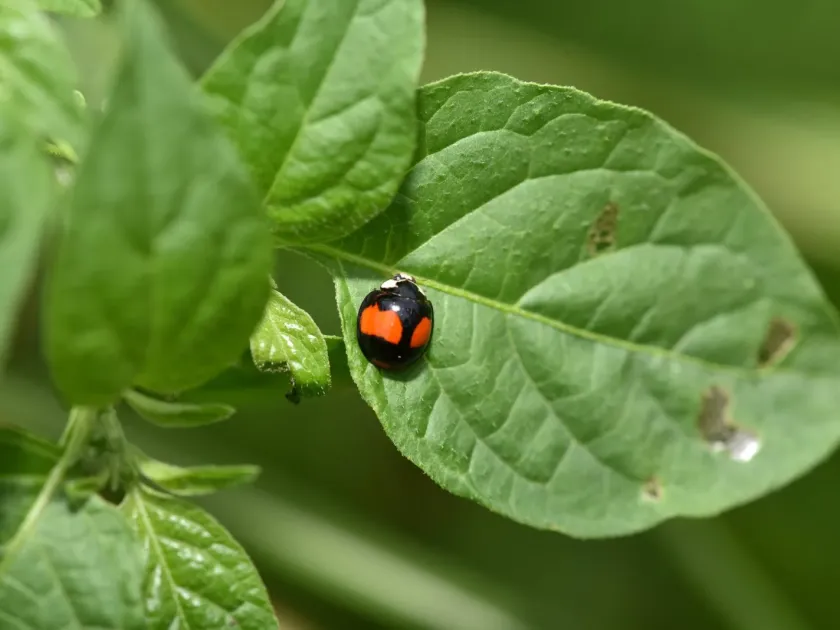
Description
How to identify
Coelophora biplagiata is a species of lady beetle belonging to the Coccinellidae family; however, unlike most members of this family, it is known to exhibit phytophagous behavior.
The adult beetle is characterized by a hemispherical body shape with distinct patterns of spots on its elytra, which are used for taxonomic identification.
Larvae are typically elongated, possessing various tubercles and spines that help them cling to plant surfaces while they feed on leaf tissues.
The life cycle encompasses egg, larval, pupal, and adult stages, with each stage requiring specific environmental conditions to develop successfully.
Identifying this species in the field often requires examining the morphology of the pronotum and the specific layout of spots on the wings under magnification.
What it damages
The pest primarily targets agricultural crops, causing significant damage by feeding on the leaves of various plant species, including certain vegetables.
Both adults and larvae scrape the epidermis of the leaf, leading to skeletal damage that hinders the plant's photosynthetic capacity.
Localized outbreaks can lead to substantial leaf loss, which directly correlates with reduced biomass and lower crop yields at the end of the season.
Weakened plants become more susceptible to secondary environmental stresses and the entry of various pathogenic bacteria or fungi through damaged tissues.
Chronic infestation can lead to stunted growth and poor fruit development, impacting the overall quality of the agricultural product.
When it appears
The activity cycle of Coelophora biplagiata is heavily dependent on ambient temperature, with most activity occurring during the spring and summer months.
Adults emerge from overwintering sites as temperatures rise, typically coinciding with the early stages of crop growth in the field.
Multiple generations can occur throughout the growing season if climatic conditions remain favorable, leading to rapid population growth.
As autumn approaches, the insects seek protected areas such as crop debris or soil crevices to enter diapause and survive the winter.
Proactive monitoring during the early growing season is crucial for detecting initial populations before they reach economic threshold levels.
Signs of infestation
The most visible signs of infestation are the skeletonized patches on leaves where the upper layer of tissue has been consumed.
Small, dark fecal droppings left by the beetles and larvae on the surface of the leaves are clear indicators of their active feeding presence.
Leaf curling or yellowing of foliage in specific sections of the field often indicates intense grazing by the pest population.
Egg clusters deposited on the underside of leaves can be spotted during routine manual inspections, signaling future larval activity.
Plants may show reduced vitality and slowed development rates in areas where the pest density is highest throughout the canopy.
Control measures
Integrated pest management strategies are essential, beginning with crop rotation to disrupt the insect's life cycle and reduce overwintering sites.
Deep plowing after the harvest is a highly effective cultural practice to bury and destroy insects hiding in the soil or debris.
Biological control agents, such as predatory mites or fungal pathogens, can be employed to manage population levels in environmentally conscious farming.
Chemical intervention with systemic or contact insecticides should be used as a last resort when the pest population exceeds the economic threshold.
- Use yellow sticky traps for population monitoring.
- Maintain clear field borders to reduce weed-based shelters.
- Apply balanced fertilization to bolster plant immunity.
Taxonomy
- Latin name
- Coelophora biplagiata
- Order
- Coleoptera (beetles)
- Family
- Coccinellidae
- EPPO code
- COEPBI
Discussion
No discussions yet — be the first.