
Coelophora
Coelophora
Description
How to identify
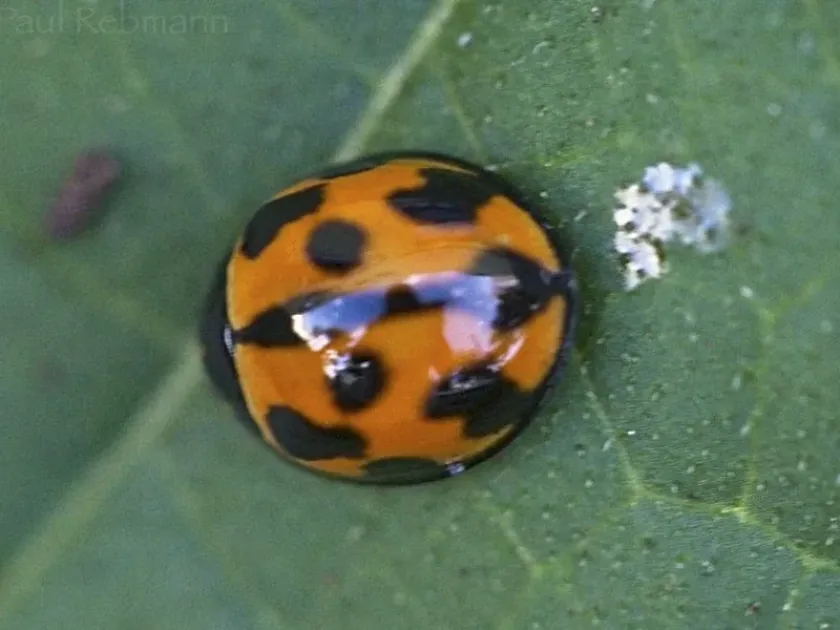
Coelophora is a genus of ladybird beetles (family Coccinellidae). These insects are recognized for their distinct, rounded, and often brightly patterned wing covers, which serve as a warning to potential predators.
It is crucial to clarify that Coelophora is not a plant pest. In fact, it is a highly beneficial predator that plays a significant role in managing insect populations within both agricultural and garden ecosystems.
The life cycle of Coelophora follows a pattern of complete metamorphosis: egg, larva, pupa, and adult. Both the larvae and the adults are active hunters, possessing a voracious appetite for small, soft-bodied insects.
The larvae are typically dark with vibrant markings, enabling them to blend into their environment while they stalk their prey across plant foliage. Their morphology is perfectly adapted for navigating various plant structures.
Identification in the field is relatively straightforward due to their characteristic ladybird appearance. Unlike leaf-eating beetles, their mouthparts are specialized for grasping and consuming animal prey rather than plant tissue.
What it damages
Coelophora causes no damage to crops. On the contrary, these beetles are essential allies for farmers and gardeners because they are active predators of aphids, scale insects, and mealybugs.
By consuming large numbers of these sap-sucking pests, Coelophora helps to prevent significant damage to crops, thereby reducing the need for chemical intervention.
Finding Coelophora on your plants is an indicator of a healthy ecosystem. Their presence typically signifies that they are actively patrolling the plant to feed on pest colonies that might otherwise compromise plant vigor.
Confusion often arises when gardeners see these beetles amongst aphid clusters and assume they are responsible for the damage. However, the beetles are merely there to exploit the abundant food source provided by the pests.
There is no economic damage threshold for Coelophora because it is an insect beneficial to crop production. Promoting their presence is a key strategy in sustainable agricultural practices.
Control measures
Direct control measures against Coelophora are entirely unnecessary and counterproductive. Using broad-spectrum insecticides will inadvertently kill these predators, leading to secondary pest outbreaks.
The most effective strategy is to protect the existing population of these ladybirds by practicing Integrated Pest Management (IPM) and limiting the use of harsh chemicals in the field.
Maintaining diverse habitats, such as hedgerows or flower strips, provides the necessary refuge and supplemental food sources that help Coelophora populations thrive throughout the growing season.
By fostering a friendly environment for entomophagous insects, growers can achieve natural pest suppression, ensuring healthier plants and reducing the financial burden of pest control programs.
In summary, instead of targeting Coelophora, producers should monitor their numbers as a sign of successful biological control, allowing nature to perform the heavy lifting of pest regulation.
Taxonomy
- Latin name
- Coelophora
- Order
- Coleoptera (beetles)
- Family
- Coccinellidae
- EPPO code
- COEPSP
Discussion
No discussions yet — be the first.