
Coccinula
Coccinula
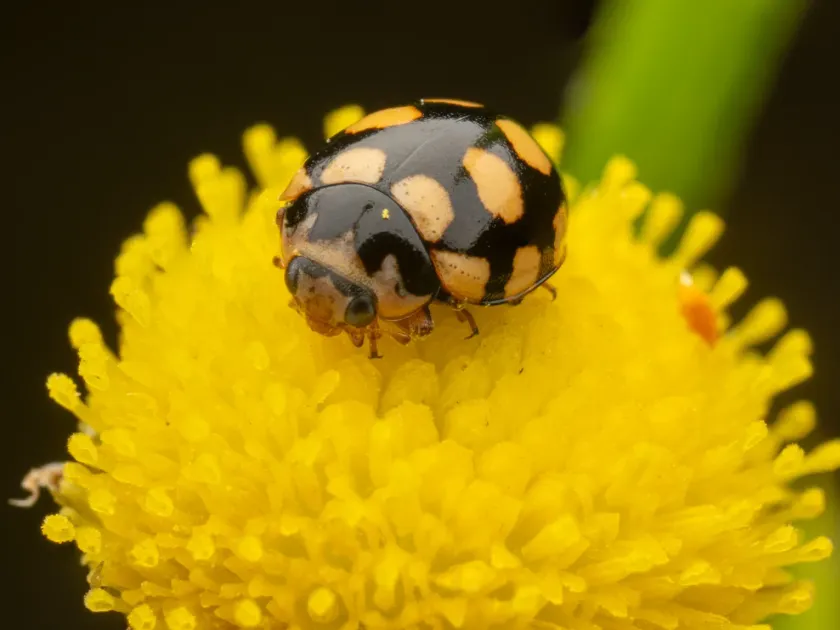
Description
How to identify
Coccinula is a genus of leaf beetles belonging to the family Chrysomelidae within the order Coleoptera. These beetles are generally small and characterized by a rounded or convex body shape.
The adults are often yellowish or brown, frequently featuring distinct dark patterns or spots on their elytra, which can sometimes lead to them being misidentified as ladybirds.
The larvae of Coccinula possess soft, fleshy bodies typical of leaf beetle larvae, equipped with biting mouthparts specialized for feeding on green plant tissues.
The life cycle encompasses four distinct stages: egg, larva, pupa, and adult, with most species completing their development within a single season depending on climate.
They are primarily active during the spring and summer months, coinciding with the peak vegetative growth period of their host cereal plants.
What it damages
Coccinula species are primarily associated with the family Poaceae, causing economic damage to various cereal crops such as wheat, barley, and oats.
Both adults and larvae are responsible for the damage, as they feed voraciously on the foliage, significantly reducing the plant's photosynthetic capacity.
Adult beetles typically create holes or jagged edges on the leaf blades, which can escalate into complete defoliation under high pest pressure.
Larval feeding is often more destructive, as they can skeletonize leaves, leaving behind only the veins and leading to tissue necrosis and plant stress.
Severe infestations can lead to stunted growth, reduced tillering, and eventually lower grain yields if the pest population remains unchecked during critical development stages.
Signs of infestation
The most common sign of a Coccinula infestation is the presence of irregular holes or notched leaf margins on cereal plants within the field.
Observing the beetles is often difficult because they exhibit thanatosis, a behavior where they drop to the ground and appear dead when disturbed.
Plants affected by these beetles often show signs of chlorosis or wilting, particularly during hot and dry weather conditions when plant stress is already elevated.
The presence of larval frass on the leaf surface is a reliable indicator of active feeding sites and can help agronomists pinpoint localized infestation hotspots.
Clusters of damaged plants scattered throughout the field are a typical pattern, suggesting that the insects move and colonize in localized groups.
Control measures
Effective management of Coccinula requires an integrated approach that focuses on both preventive agronomic practices and timely chemical interventions.
Eliminating host weeds near fields is essential, as these areas often serve as reservoirs where the beetles overwinter or survive during fallow periods.
Crop rotation helps disrupt the life cycle of the pest by ensuring that their preferred food sources are not consistently available in the same location year after year.
Insecticide application should be based on scouting and monitoring results, ensuring that the economic threshold is reached before spraying.
- Regular field scouting to detect early signs of defoliation.
- Use of high-quality seed treatments to protect young seedlings.
- Promoting vigorous plant growth through balanced fertilization and irrigation.
Taxonomy
- Latin name
- Coccinula
- Order
- Coleoptera (beetles)
- Family
- Coccinellidae
- EPPO code
- CCNLSP
Discussion
No discussions yet — be the first.