
Australian lady beetle
Coccinella repanda
Description
How to identify
The Australian lady beetle (Coccinella repanda) is a specialized insect species that, unlike many of its relatives, acts as a pest to various plants.
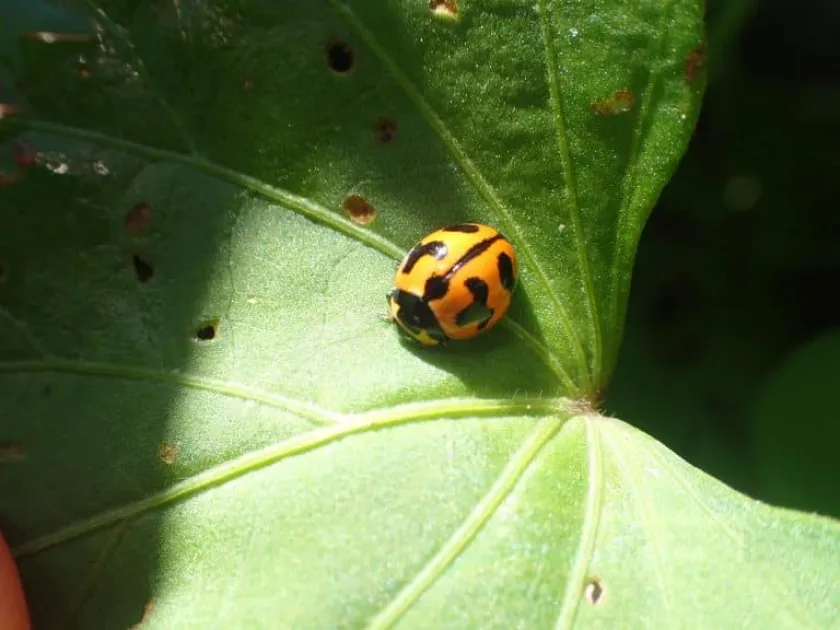
Adult beetles possess a distinct rounded body shape with a vibrant orange or red background adorned with characteristic black patterns on the elytra.
The larvae are typically dark-colored and highly mobile, often featuring contrasting spots that make them recognizable during the growth stages.
Their morphological structure allows them to efficiently feed on plant tissues, distinguishing them from predatory species of the same family.
Regular observation reveals that the life cycle is closely linked to the availability of preferred host plants throughout the growing season.
What it damages
This pest is known for consuming leaves, young shoots, and developing buds, which can significantly hinder the health of the host plant.
The feeding behavior of both adults and larvae leads to ragged holes and the removal of large portions of leaf tissue, affecting plant vigor.
In cases of high infestation, the pest can cause severe defoliation, which limits the plant's ability to undergo photosynthesis and store nutrients.
Growth points are frequently targeted, causing stunted development and deformities in the overall architecture of the plant or its fruits.
- Causes significant damage to vegetable gardens.
- Affects ornamental plant growth and appearance.
- Contributes to reduced crop yields in field settings.
When it appears
The pest's activity is largely governed by seasonal shifts, emerging in spring as temperatures begin to rise above the dormancy threshold.
The peak period of damage typically occurs during the warm summer months when plant vegetation is most vigorous and abundant.
Generation turnover is influenced by climate conditions, with multiple cycles possible in regions with long, warm growing seasons.
As daylight hours decrease and temperatures drop in autumn, the insects seek shelter in leaf litter or soil to initiate their overwintering process.
Understanding these seasonal patterns is crucial for timing interventions and preventing the population from reaching destructive levels.
Signs of infestation
Visual identification of infestation involves spotting irregular holes in foliage, which often appear in clusters on younger leaves.
Clutches of eggs, usually found on the underside of leaves, are a clear indicator that the next generation of pests is about to emerge.
The presence of frass (insect excrement) on leaves is a definitive sign that the insects have been feeding actively in that area.
Wilting of shoots and yellowing of foliage surrounding the damaged areas are common secondary signs associated with heavy pest pressure.
Finding adult beetles directly on the foliage during morning or evening inspections confirms the source of the observed agricultural damage.
Control measures
Managing this pest requires a combination of preventive and reactive strategies integrated into a sustainable farm management plan.
Cultural practices, such as removing debris and weeds where the beetle may hide, are highly effective in reducing the local pest population.
Biological controls, including the use of entomopathogenic organisms, can effectively target the larval stages without disrupting the ecosystem.
If chemical intervention becomes necessary, selective insecticides should be applied to target the pest while minimizing impact on beneficial insects.
Routine scouting and threshold-based decision-making are the cornerstones of effective protection, ensuring that interventions are both timely and necessary.
Taxonomy
- Latin name
- Coccinella repanda
- Order
- Coleoptera (beetles)
- Family
- Coccinellidae
- EPPO code
- COCIRE
Discussion
No discussions yet — be the first.