
California lady beetle
Coccinella californica
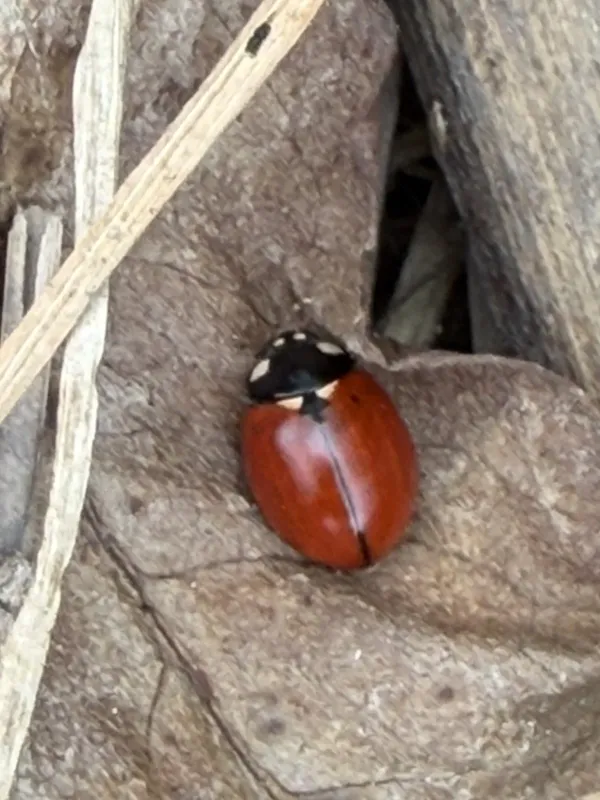
Description
How to identify
The California lady beetle (Coccinella californica) is a member of the Coleoptera order and the Coccinellidae family. While commonly recognized as beneficial, this species can exhibit phytophagous behavior under specific environmental conditions, potentially harming agricultural crops.
The adult beetle typically features a round, convex body with elytra ranging from orange to deep red. A diagnostic feature of C. californica is the common absence of black spots on its elytra, which distinguishes it from many other lady beetle species found in similar regions.
The head and pronotum are marked with black patterns and white corner spots. The larvae, characterized by a campodeiform shape, display dark coloration with vibrant orange or yellow segments, making them easily identifiable in the field.
The life cycle undergoes complete metamorphosis, including egg, larva, pupa, and adult stages. Females lay their eggs in clusters on the undersides of leaves, providing both concealment and proximity to potential food sources for the emerging larvae.
These beetles are highly mobile and capable of significant dispersal flights. Their population dynamics are heavily influenced by the availability of prey and favorable climate conditions, which drive their movement patterns across agricultural landscapes.
What it damages
While most lady beetles are predatory, the California lady beetle may shift to feeding on plant tissues when traditional prey, such as aphids or spider mites, is scarce. This behavioral shift categorizes them as occasional pests.
Damage occurs when adults and larvae scrape the plant epidermis, leading to the development of small, window-like lesions. This reduces the photosynthetic capacity of the plant and slows its overall growth, especially in young seedlings.
The scraped areas create entry points for secondary infections. Pathogenic fungi and bacteria often invade these sites, causing necrosis and premature leaf senescence, which can exacerbate the initial damage caused by the insect feeding.
During prolonged drought periods, the beetle's pressure on crops increases significantly. As prey populations dwindle, the insects turn to plant juices and succulent tissues of stems and leaves to sustain themselves, leading to visible damage.
Extensive infestations can lead to substantial yield losses. The loss of leaf surface area reduces the plant's ability to produce energy, ultimately resulting in reduced quality and lower market value for the harvested produce.
Signs of infestation
The earliest sign of an infestation is the appearance of skeletonized patches on the leaves. These patterns consist of numerous small, irregular holes or shallow scrapes, which differentiate them from the broad defoliation caused by caterpillars.
Frequent inspections of the undersides of leaves will reveal clusters of bright yellow eggs. The presence of these egg masses is a definitive indicator of an ongoing infestation that requires immediate attention.
Feeding activity is often accompanied by the presence of larvae in the vicinity of the damaged area. These larvae are highly active and leave behind excrement, which can act as a growth medium for sooty mold, further stressing the plant.
Yellowing and curling of the leaves are common symptoms. This degradation of the leaf surface indicates that the feeding has reached a level that compromises the plant's physiological health and metabolic efficiency.
Beetles can often be detected by shaking infested plants over a collection tray. This method is highly effective for scouting purposes and determining if the pest population has reached the economic threshold for intervention.
Control measures
A robust control strategy begins with rigorous weed management. Eliminating non-crop hosts around fields reduces the beetle's ability to survive in the absence of the primary crop and limits population build-up.
Chemical intervention should be considered a last resort. When necessary, selective insecticides should be applied to target the pest while minimizing collateral damage to non-target predatory species and beneficial insects.
Biological control using entomopathogenic fungi represents a sustainable management alternative. These agents effectively suppress beetle populations while maintaining the ecological balance of the field, reducing the need for synthetic chemicals.
Implementing a monitoring program using pheromone or sticky traps allows for early detection of migratory patterns. Targeted, localized treatments based on these trap counts can prevent the spread of the infestation throughout the entire field.
Integrated pest management (IPM) practices, such as maintaining flowering field margins, support natural predators. A balanced ecosystem naturally regulates the beetle population, keeping its numbers below the economic threshold without the need for intensive chemical use.
Taxonomy
- Latin name
- Coccinella californica
- Order
- Coleoptera (beetles)
- Family
- Coccinellidae
- EPPO code
- COCICA
Discussion
No discussions yet — be the first.