
Cillenus lateralis
Cillenus lateralis
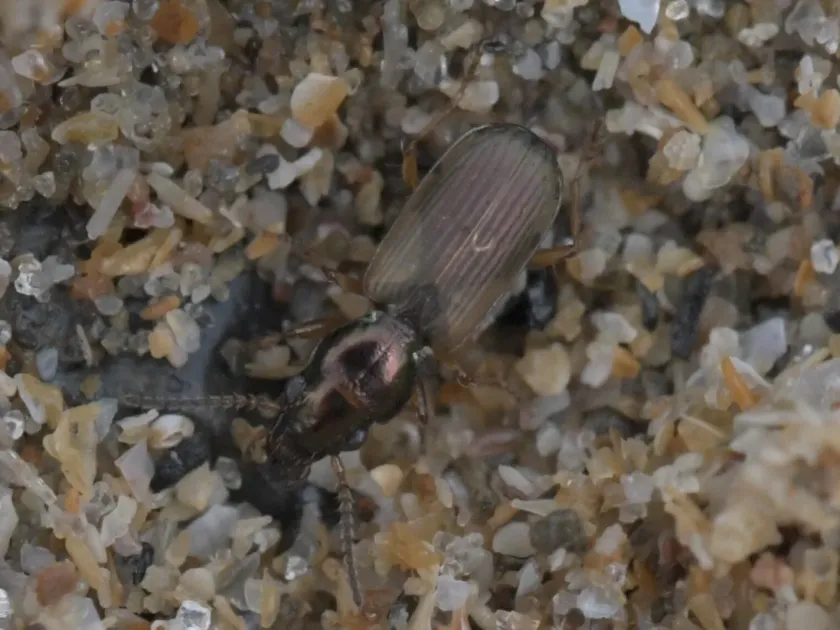
Description
How to identify
Cillenus lateralis is a small beetle belonging to the Carabidae family, commonly known as ground beetles. This species typically inhabits coastal or moist soil environments, making them well-adapted to specific humidity levels in agricultural fields.
Adult beetles are relatively small, often dark brown or black in color, and feature a streamlined body shape that facilitates quick movement through soil pores and debris. Their appearance is characteristic of predatory beetles, though they may opportunistically consume plant material.
The larval stage resides primarily within the top layer of the soil. These larvae possess powerful mandibles designed for hunting, but they can switch to damaging crop roots and seeds when natural prey is scarce in the agricultural landscape.
The life cycle encompasses a complete metamorphosis, including egg, larva, pupa, and adult stages. Overwintering occurs in the adult stage, often deep in the soil or protected under vegetation, allowing for rapid emergence once spring temperatures rise.
Their population density is heavily influenced by soil moisture levels. Fields with poor drainage or located near bodies of water often harbor larger populations of this beetle, posing a greater risk to establishing seedlings.
What it damages
The primary agricultural concern regarding Cillenus lateralis is its potential to damage seeds and young seedlings of cereals and vegetables. During the sensitive germination phase, these beetles can destroy the embryo, resulting in poor stand establishment.
Larval feeding on roots leads to stunted growth and reduced vigor in developing plants. This root damage also creates entry points for soil-borne pathogens, which can exacerbate the impact of the pest and lead to secondary infections.
Economic damage is most pronounced in fields where germination is delayed due to cold or excessively wet soil. Under such conditions, the beetles have an extended window to feed on the vulnerable seeds before they can establish a robust root system.
Localized outbreaks can occur in low-lying areas of a field, leading to visible patches of thinned or dead seedlings. This uneven development complicates field management and reduces total harvest uniformity across the acreage.
In addition to direct feeding, the constant disturbance of the rhizosphere by larvae negatively affects nutrient uptake. This physiological stress can lead to visible chlorosis and reduced growth rates in high-density infestation zones.
Control measures
Effective management begins with soil preparation techniques, such as autumn plowing, which disturbs overwintering sites and exposes larvae and adults to natural predators and harsh weather conditions.
Seed treatment with systemic insecticides is the most effective approach for protecting young crops during the critical emergence period. This provides a chemical barrier that prevents feeding on both the seed and the young root system.
Proper crop rotation is essential to prevent the buildup of pest populations. Moving away from susceptible hosts in infested fields can disrupt the life cycle of the beetle and naturally reduce its numbers over time.
Monitoring the soil for beetle presence and tracking humidity levels in fields are vital steps for early detection. If population thresholds are exceeded, targeted insecticide applications may be necessary to minimize crop loss.
- Maintaining optimal seedbed conditions to ensure rapid germination.
- Controlling weeds that provide shelter for adult beetles near field margins.
- Improving field drainage to reduce the attractiveness to moisture-loving pests.
Taxonomy
- Latin name
- Cillenus lateralis
- Order
- Coleoptera (beetles)
- Family
- Carabidae
- EPPO code
- CILLLA
Discussion
No discussions yet — be the first.