
Chlaenius
Chlaenius
Description
How to identify
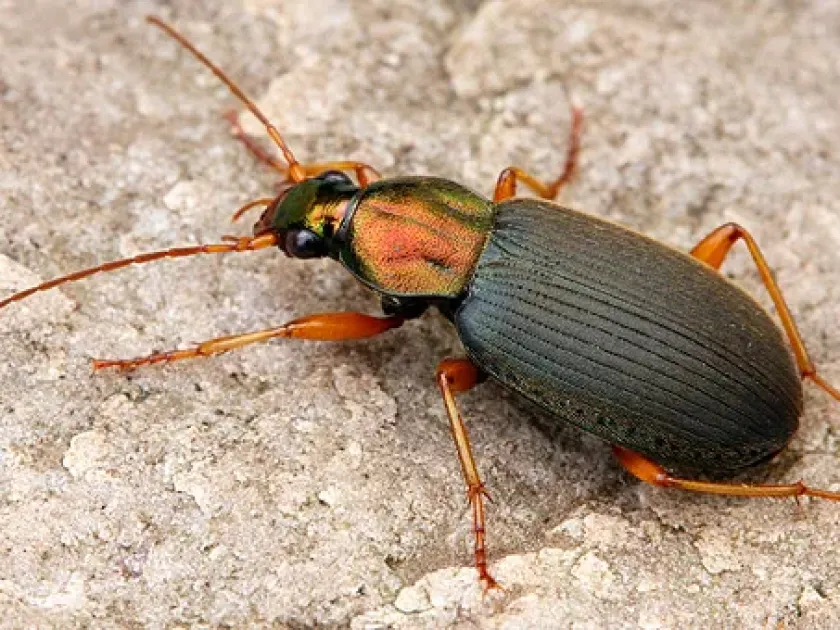
Chlaenius is a genus of ground beetles (family Carabidae) that are easily recognized by their brilliant metallic colors, often green or blue, and fine pubescence on their elytra.
They are medium-sized beetles with powerful mandibles designed for hunting, reflecting their role as active predators in various ecosystems.
The morphology of these beetles allows them to move swiftly across the soil surface and explore cracks or crevices in search of prey.
Identification at the species level requires specialized knowledge of internal anatomy, particularly the structure of their reproductive organs.
These beetles are frequently found near water sources and in fields with high humidity levels, which are ideal conditions for their survival.
What it damages
The majority of Chlaenius species are highly beneficial insects that act as significant predators of various agricultural pests in the soil.
They feed on larvae of harmful flies, small slugs, and caterpillars, effectively serving as natural biological control agents for farmers.
There is no evidence of these beetles causing significant economic damage to crops, as they are not primary herbivores of cultivated plants.
Occasionally, some individuals may show opportunistic feeding habits during periods of extreme food scarcity, but this does not constitute a threat to crops.
Misidentifying these predators as pests can lead to unnecessary pesticide application, which negatively impacts the farm's biodiversity.
When it appears
The activity cycle of Chlaenius begins in the early spring as soon as soil temperatures reach levels that allow for metabolic activity.
During the summer months, these beetles are most active in their hunting and reproduction phases, often foraging during the night.
During the day, they prefer to remain hidden under vegetation debris, stones, or inside soil burrows to protect themselves from heat and predators.
As the season shifts towards autumn, they prepare for dormancy by migrating deeper into the soil layers to survive the winter temperatures.
Their complete life cycle, comprising egg, larva, pupa, and adult stages, is highly dependent on environmental humidity and soil health.
Control measures
There is no need for control measures against Chlaenius as they provide valuable ecosystem services by keeping pest populations in check.
Integrating chemical control methods should be done with caution, prioritizing selective pesticides that minimize harm to these predatory ground beetles.
Practicing sustainable agriculture and maintaining soil health ensures that these beneficial beetles can thrive within the field environment.
The use of buffer strips and reduced tillage can significantly help in preserving the natural habitat of these beneficial predatory insects.
Farmers are encouraged to learn the identification of beneficials to distinguish them from actual crop pests before taking any protective action.
Taxonomy
- Latin name
- Chlaenius
- Order
- Coleoptera (beetles)
- Family
- Carabidae
- EPPO code
- CHNUSP
Discussion
No discussions yet — be the first.