
Chilocorus rubidus
Chilocorus rubidus
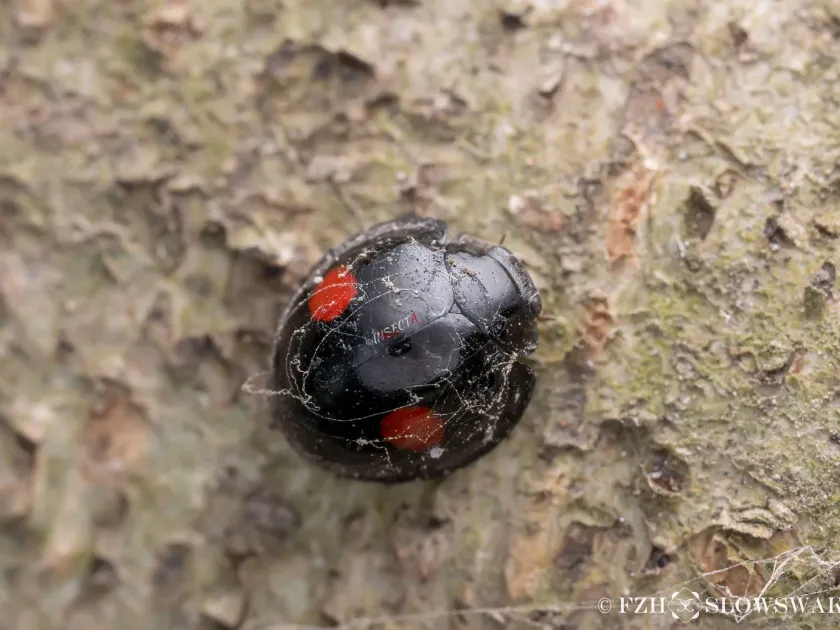
Description
How to identify
Chilocorus rubidus is a species belonging to the family Coccinellidae, commonly known as ladybird beetles, although its role can shift from beneficial to pest depending on the ecosystem.
The adult beetle is recognized by its distinctly rounded, hemispherical body shape and a reddish-brown coloration that distinguishes it from other common species.
The larvae are typically elongate with prominent spiny projections along their body segments, which serve as a primary defense mechanism against potential predators.
The life cycle undergoes a complete metamorphosis, including egg, larval, pupal, and adult stages, each adapted to survive in specific orchard environments.
As a member of the order Coleoptera, the species possesses hardened forewings (elytra) that protect the delicate hindwings and the abdomen during flight and rest.
What it damages
The primary concern regarding Chilocorus rubidus involves its feeding habits on the buds and young shoots of various fruit trees when their typical prey is scarce.
This beetle can cause significant economic damage to apple and pear orchards, particularly when populations reach high densities during the growing season.
Feeding damage to plant tissues can result in inhibited growth, deformed blossoms, and a subsequent reduction in total fruit yield for the season.
Weakened trees become more susceptible to secondary infections, as damaged tissue provides an entry point for various plant pathogens.
Agronomic assessments emphasize the importance of distinguishing this species from truly beneficial ladybugs before implementing any large-scale eradication programs.
When it appears
Activity begins in early spring, as rising temperatures trigger the emergence of adults from their overwintering sites in bark crevices and leaf litter.
The summer months represent the peak period for reproduction, with multiple generations possible in favorable climatic conditions, leading to increased population pressure.
Developmental rates are highly temperature-dependent, with warmer summers significantly accelerating the life cycle and increasing the number of active pests.
As autumn approaches, the beetles prepare for diapause, seeking protected environments that will provide insulation against winter frosts.
The synchronization of the pest's emergence with the phenological stage of the host tree is a critical factor in determining the overall potential for damage.
Signs of infestation
Identification in the field is largely based on the visual detection of adult beetles on the bark or within the canopy of fruit-bearing trees.
Springtime damage to vegetative and reproductive buds, appearing as small, etched cavities, is a primary indicator of the pest's presence.
The presence of pupae, which are often found attached to the surface of branches and trunks, provides clear evidence of a localized population.
Signs of insect activity, such as droppings or subtle feeding scars, can be observed on the undersides of leaves near the feeding sites.
- Small, hollowed-out areas on dormant or emerging buds.
- Visible adult beetles congregating on trunk fissures.
Control measures
Integrated pest management strategies are recommended to maintain ecological balance while protecting the commercial viability of the orchard.
Mechanical control, such as scraping away old, loose bark, effectively removes overwintering habitats and reduces the population for the next spring.
Chemical interventions should be used sparingly and only when monitoring indicates that the population has exceeded the economic threshold for damage.
Encouraging the presence of natural predators, such as birds and other beneficial insects, contributes to the long-term suppression of the pest.
Regular monitoring through visual inspections ensures that early outbreaks are caught before they spread across the entire orchard block.
Taxonomy
- Latin name
- Chilocorus rubidus
- Order
- Coleoptera (beetles)
- Family
- Coccinellidae
- EPPO code
- CHICRU
Discussion
No discussions yet — be the first.