
Chilocorus orbus
Chilocorus orbus
Description
How to identify
Chilocorus orbus is a species of ladybird beetle (Coccinellidae) within the order Coleoptera. While many ladybirds are beneficial, this specific species requires monitoring in certain agricultural environments due to its potential impact on plant health.
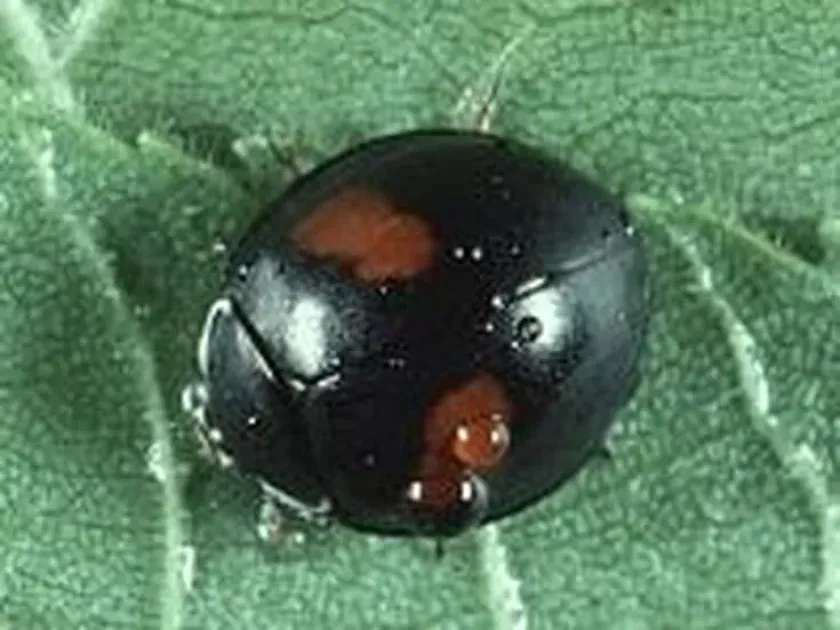
Adults exhibit a typical hemispherical body shape, a glossy appearance, and dark coloration with patterns on their elytra, which serves as a form of camouflage against tree bark.
Larvae are characterized by a spiky appearance, which is a defensive mechanism against predators as they forage across the surface of host plants.
The insect undergoes a complete metamorphosis, transitioning through egg, larval, pupal, and adult stages, each requiring specific environmental conditions to thrive.
They are primarily found in wooded areas, orchards, and gardens where they can easily access their preferred host trees and find shelter for their developmental stages.
What it damages
This pest is primarily associated with damage to ornamental and fruit-bearing trees. By feeding on plant tissues, they can disrupt the internal vascular functions of young shoots.
The feeding process often leads to mechanical damage to the bark, which creates entry points for various pathogens, including fungi and harmful bacteria.
Young trees are particularly susceptible, as their growth can be stunted significantly if the insect population reaches high densities on their main branches.
Excessive feeding can lead to leaf yellowing, early senescence, and a general decline in the tree's health, resulting in reduced fruit yields over time.
In cases of severe infestation, the cumulative damage can compromise the structural integrity of thin, developing branches.
When it appears
Adult activity begins in the early spring, immediately following the onset of sustained favorable temperatures, as they emerge from their winter dormancy.
The summer period represents the peak of larval development, during which these insects are most voracious and cause the most significant damage to new plant growth.
As autumn temperatures decline, the insects seek out crevices in bark or leaf litter to survive the winter months, entering a period of diapause.
Environmental fluctuations, particularly prolonged warm and humid spells, can accelerate their life cycle, potentially leading to multiple generations per season.
Orchard managers should conduct regular inspections starting in late spring to identify early signs of infestation and prevent population spikes.
Signs of infestation
Early symptoms include visible markings or small, ulcer-like lesions on the surface of young stems or twigs where feeding has occurred.
Deformed or curling leaves that lack visible signs of common diseases often indicate the presence of sap-feeding or tissue-damaging insects in the canopy.
The discovery of adult beetles or spiky larvae on the underside of leaves or within the folds of branches is a primary indicator of their presence.
Accumulation of excrement or debris near feeding sites on branches serves as a secondary sign of an active infestation that needs to be addressed.
- Presence of beetles on tree trunks.
- Visible tissue damage on bark and stems.
- Reduced vitality and stunted growth of shoots.
Control measures
Good orchard sanitation, including the removal of dead or loose bark and pruned branches, is essential for eliminating overwintering sites.
Utilizing pheromone traps can help monitor population levels accurately and provide a targeted way to reduce the number of adults in the orchard.
Biological control, such as encouraging native predators, is a highly effective, environmentally friendly way to keep pest populations in check.
Chemical intervention should be treated as a last resort, applied only when population thresholds are exceeded and strictly following safe application guidelines.
Maintaining strong tree health through proper fertilization and irrigation improves the plant's natural resistance to damage caused by insects.
Taxonomy
- Latin name
- Chilocorus orbus
- Order
- Coleoptera (beetles)
- Family
- Coccinellidae
- EPPO code
- CHICSO
Discussion
No discussions yet — be the first.