
Chilocorus cacti
Chilocorus cacti
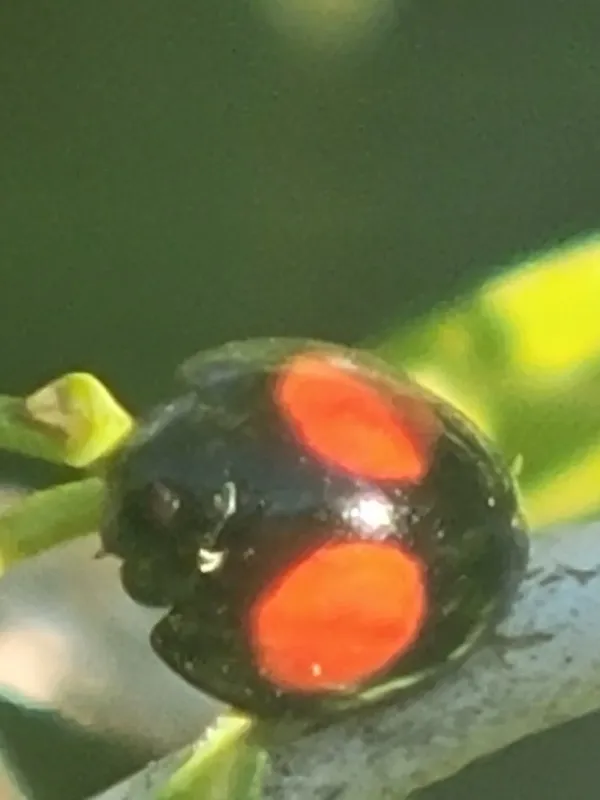
Description
How to identify
Chilocorus cacti belongs to the family Coccinellidae, commonly known as lady beetles. These insects are characterized by their small, round, and highly convex body shape, which often features a distinct, shiny appearance.
The elytra of adult beetles are typically black, sometimes adorned with reddish-orange spots, distinguishing them from other Chilocorus species. The larvae exhibit spiny projections, which serve as a primary defense mechanism against potential predators.
The life cycle of this insect involves complete metamorphosis: egg, larva (undergoing several instars), pupa, and adult. Adults are highly mobile, allowing them to effectively colonize infested orchards or plant collections in search of food.
Both larval and adult stages are voracious predators of scale insects. Their high metabolic rate and hunting efficiency make them significant contributors to natural pest regulation in various ecosystems.
While often beneficial, the presence of these beetles is a direct indicator of the prey population levels within a given agricultural environment or greenhouse setting.
What it damages
The primary food source for Chilocorus cacti consists of scale insects and mealybugs, which are notorious pests of citrus, cacti, and various ornamental trees. They play a vital role in curbing pest outbreaks on these host plants.
Direct damage to plants is not caused by the beetles themselves, as they are strictly predatory. However, the presence of scale insect colonies that attract these beetles can lead to significant physiological stress on the host plants.
Scale insects suck sap from the plant tissues, leading to stunted growth, leaf chlorosis, and potential branch dieback. The predation by Chilocorus cacti helps reduce these symptoms by lowering the density of the scale populations.
Economic significance lies in the species' ability to manage pest populations naturally. In agricultural settings, they are considered valuable allies that reduce the need for chemical intervention.
Host plants commonly affected by the pests that Chilocorus cacti feeds upon include citrus species (lemon, orange) and succulent plants infested by cactus scales.
Control measures
Direct eradication of Chilocorus cacti is discouraged because they act as essential biological control agents against harmful scale insects. Effective management should focus on integrated pest management (IPM) strategies.
To preserve these beneficial insects, the use of broad-spectrum insecticides should be minimized. Targeted applications are preferred to avoid disrupting the natural balance of predators.
Biological control alternatives, such as using entomopathogenic fungi, can be effective against scales while being relatively safer for the lady beetle population if applied correctly.
Cultural practices, including proper plant pruning and maintenance of optimal spacing, improve air circulation, thereby reducing the suitability of the environment for scale proliferation.
When chemical control is absolutely necessary, selective products with low residual toxicity are recommended to ensure the survival and continued activity of the predatory beetle population.
Taxonomy
- Latin name
- Chilocorus cacti
- Order
- Coleoptera (beetles)
- Family
- Coccinellidae
- EPPO code
- CHICCC
Discussion
No discussions yet — be the first.