
Chelidurella
Chelidurella
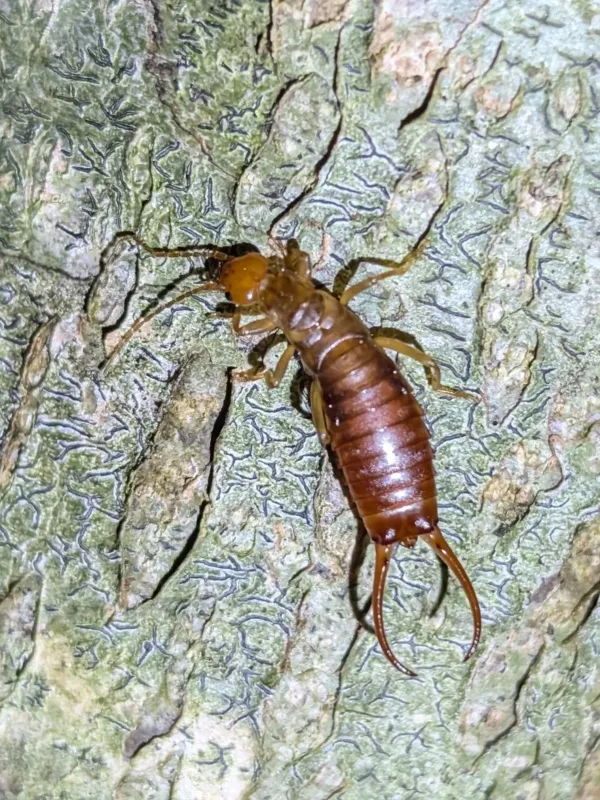
Description
How to identify
Chelidurella is a genus of insects belonging to the order Dermaptera and the family Forficulidae. Often referred to as a type of earwig, these insects are characterized by their elongated bodies and the presence of pincer-like appendages called cerci on the tip of the abdomen.
Adult Chelidurella typically measure between 10 and 15 mm in length. They are generally dark brown or black in color, which helps them blend into their surroundings, such as decaying wood, tree bark, or shaded soil crevices.
These insects are nocturnal and exhibit photophobic behavior, meaning they actively avoid light. During the day, they remain hidden in moist, dark environments, making them difficult to spot unless their hiding places are disturbed.
The life cycle involves incomplete metamorphosis. Unlike insects that undergo a pupal stage, the nymphs of Chelidurella resemble small, wingless versions of the adults, gradually maturing through several instar stages before becoming reproductive adults.
Maternal care is a notable biological trait of this genus. Females construct nests in the soil or protected areas and remain with their eggs and early-stage nymphs, defending them against potential predators and pathogens until they become more independent.
What it damages
Chelidurella is a polyphagous pest, meaning it feeds on a wide variety of plant species. While they are often considered scavengers, they can become significant agricultural pests when natural food sources are scarce or during population surges.
They primarily damage young, tender plant tissues, including leaves, buds, and floral petals. Their chewing mouthparts leave behind irregular, jagged holes, which can severely compromise the aesthetic quality of ornamental garden plants like roses and lilies.
Fruit trees and berry bushes are also at risk. Chelidurella may feed on developing fruits, creating small cavities that serve as entry points for secondary fungal infections and rot, ultimately leading to significant harvest losses.
The extent of the damage is heavily influenced by environmental humidity. Because these insects thrive in wet conditions, infestations are often more severe in rainy seasons, where the moisture also encourages the growth of the fungi they often facilitate.
In addition to direct consumption of plant material, their foraging activity can cause premature wilting of new shoots, especially in young seedlings, which may not recover from extensive feeding damage during their initial growth phase.
Signs of infestation
The most common sign of a Chelidurella infestation is the presence of irregular "ragged" edges on foliage, particularly in the lower parts of the plant canopy. This is often accompanied by missing tissue in the center of the leaves.
On flowering plants, chewed-up petals and stunted, deformed buds are clear indicators of their activity. If the buds fail to open or show signs of premature browning, it is often due to nocturnal feeding by these insects.
Direct sightings of the insects in the early morning hours, particularly when shaking foliage over a collection tray, can confirm their presence. They often scatter quickly towards dark hiding spots when exposed to direct light.
The presence of frass (insect excrement), which appears as tiny, dark, granular deposits on the surface of leaves or within the folds of petals, is another reliable sign of infestation, especially in heavily damaged clusters.
Monitoring the soil surface under debris or near the base of stems can also reveal their presence, as these areas provide the dark, damp conditions they prefer for their daytime resting period.
Control measures
Effective management of Chelidurella involves a combination of cultural, mechanical, and chemical control methods. The primary objective is to eliminate the moist, dark hiding places that these insects require during the day.
Cultural practices include regular sanitation, such as removing leaf litter, piles of wood, and debris from the garden. Keeping the soil well-drained and ensuring proper spacing between plants to improve airflow can make the environment less hospitable.
Mechanical control is highly effective for this genus. Placing traps made of rolled-up corrugated cardboard or burlap sacks near the base of plants allows the insects to congregate during the day, after which they can be collected and discarded.
Chemical control should be considered a last resort. If populations are high, contact insecticides or baits specifically labeled for earwigs can be applied in the evening, when the insects are most active and likely to encounter the treatments.
- Removing garden debris and organic litter.
- Using cardboard traps for manual collection.
- Improving soil drainage and plant spacing.
- Applying insecticides as a final measure.
- Regular inspection of the garden for early warning signs.
Taxonomy
- Latin name
- Chelidurella
- Family
- Forficulidae
- EPPO code
- CHEDSP
Discussion
No discussions yet — be the first.