
Cheilosia morio
Cheilosia morio
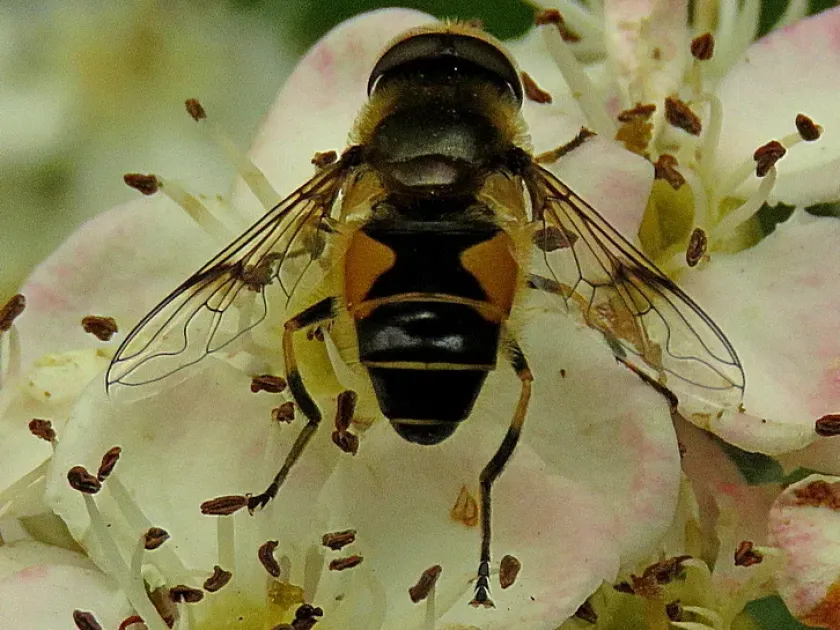
Description
How to identify
Cheilosia morio is a species of hoverfly belonging to the family Syrphidae, order Diptera. Adults resemble small bees or wasps, featuring dark coloration and dense pubescence typical for many hoverflies.
The adult flies are primarily nectar feeders, often visiting flowers to obtain energy. However, the larval stage is strictly phytophagous, specifically targeting plant tissues.
The larvae are legless, wrinkled, and exhibit a whitish color. They are highly adapted to feeding within the bulbous tissues of plants, shielded from the external environment.
The life cycle involves complete metamorphosis: egg, larva, pupa, and adult. Eggs are laid in the vicinity of host plants, allowing newly hatched larvae to access the bulbs quickly.
Identifying Cheilosia morio among other related species in the field can be complex, often requiring taxonomic expertise to distinguish between similar-looking hoverflies in the Cheilosia genus.
What it damages
This pest mainly attacks plants of the Amaryllidaceae family, with a significant impact on onions, garlic, and ornamental bulbous species in nurseries.
Damage occurs when larvae bore into the bulbs, creating tunnels in the basal plate and fleshy scales. This feeding behavior causes internal structure destruction.
Once tissue damage occurs, the plant becomes highly susceptible to secondary pathogens, including bacteria and fungi, leading to rapid rotting of the entire bulb.
Significant economic damage is often observed in horticultural settings where bulb health and aesthetic quality are crucial, potentially causing total crop loss in infested patches.
Infested plants show stunted growth and decreased vigor, as the damaged root system and basal plate prevent proper water and nutrient uptake.
When it appears
Adult flight activity begins in the spring, coinciding with the active vegetative stage of host plants. This is when the initial oviposition occurs.
The seasonal activity is prolonged, with potential for multiple overlapping generations depending on climate conditions, leading to continuous pressure throughout the summer.
Soil temperature and moisture significantly influence the pupation process and the timing of adult emergence, with warmer periods favoring faster life cycles.
As winter approaches, larvae settle in the soil or within infested plant debris to hibernate, ensuring the survival of the population until the next growing season.
Effective monitoring should focus on identifying adult flight periods, which can be tracked using yellow sticky traps placed near high-value crop areas.
Signs of infestation
The first external sign is the yellowing and wilting of leaves, which often mimics nutrient deficiency or early senescence in the field.
Upon inspection, the bulb shows clear signs of decay. When cut open, distinct tunnels made by the larvae are visible, often accompanied by a foul rotting odor.
Plants are easily pulled from the ground because the larvae have consumed the root system and the base, completely detaching the plant from its anchor in the soil.
Nearby, there may be secondary colonizers such as bulb mites, which exacerbate the damage initiated by the hoverfly larvae.
- Wilting and premature yellowing of foliage.
- Visible larval tunnels and decaying tissue inside bulbs.
- Foul odor due to secondary bacterial rot.
- Loss of structural integrity of the bulb's basal plate.
Control measures
Implementing a strict crop rotation schedule is the primary defense, ensuring that susceptible bulbous crops are not planted in the same soil for at least 4-5 years.
Deep autumn plowing is a highly effective practice, as it disrupts the hibernation of pupae, exposing them to unfavorable conditions or burying them deep enough to hinder spring emergence.
Regular sanitation, which includes the prompt removal and destruction of infested plants, is essential to minimize the spread of the pest during the growing season.
Chemical control via systemic insecticides may be necessary during the peak oviposition period to protect the plants before larvae penetrate the bulbs.
Using certified, pest-free planting material is a key preventative measure, reducing the risk of introducing the pest into clean horticultural areas.
Taxonomy
- Latin name
- Cheilosia morio
- Order
- Diptera (flies)
- Family
- Syrphidae
- EPPO code
- CHELMO
Discussion
No discussions yet — be the first.