
Cheilomenes lunata
Cheilomenes lunata
Description
How to identify
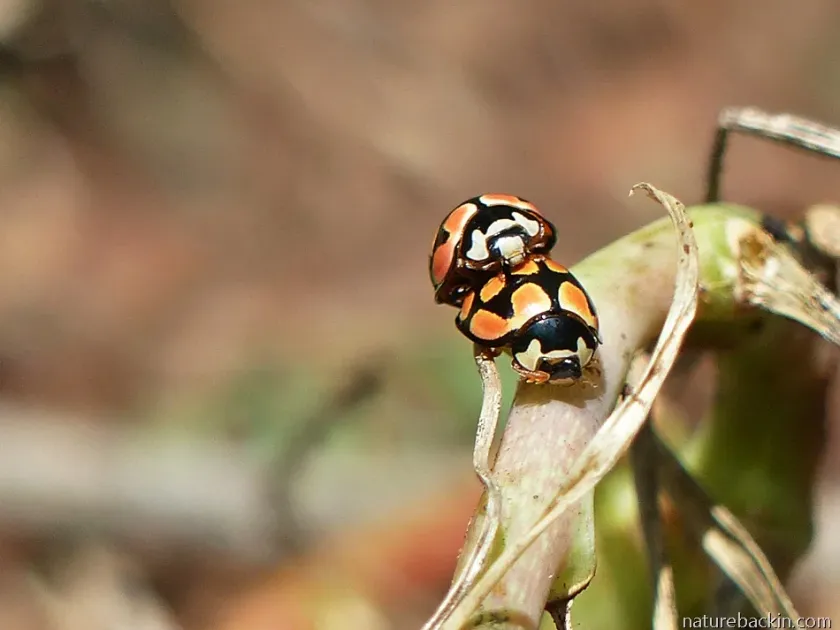
Cheilomenes lunata is a species of lady beetle belonging to the family Coccinellidae and the order Coleoptera. The adults are easily recognized by the crescent-shaped markings on their elytra, which distinguish them from many other species in the region.
The life cycle of this insect consists of egg, larva, pupa, and adult stages. The larvae are active predators, often seen roaming over leaf surfaces in search of aphids and other small invertebrates to feed upon.
Adult beetles are typically medium-sized with a striking coloration that warns predators of their potential chemical defenses. They are generally found in colonies or clusters during the peak of their seasonal activity.
Pupae are frequently located on the undersides of leaves, anchored securely to prevent detachment. This stage is stationary, making the insects vulnerable to hyperparasitism if natural balance is not maintained.
Proper identification is crucial for farmers; misidentifying this beneficial beetle as a pest can lead to the unnecessary and costly application of broad-spectrum pesticides.
What it damages
This beetle is strictly entomophagous, meaning it feeds on other insects. It does not possess the mouthparts or dietary requirements to cause damage to plant foliage, fruits, or stems.
Because these beetles target aphids and scale insects, their presence is a positive sign of natural biological control in action within a field or garden environment.
Reports of damage associated with Cheilomenes lunata are anecdotal and generally stem from the beetle's physical presence rather than any destructive feeding habits on the crops themselves.
Farmers often encounter them in crops like vegetables and cereals, where they aggregate in areas with heavy aphid infestation to maximize their foraging efficiency.
As they are not pests, they play a vital role in reducing the need for synthetic chemical treatments by maintaining pest populations below the economic injury level.
Control measures
As Cheilomenes lunata is a highly effective beneficial insect, no control or extermination measures are recommended by agronomic authorities.
Conservation efforts should focus on reducing the use of harmful pesticides that deplete the population of these natural controllers, thereby potentially leading to pest outbreaks.
Integrated Pest Management (IPM) practices prioritize the protection of these beetles by utilizing selective insecticides only when strictly necessary and as a last resort.
Providing refugia, such as diverse hedge rows or unsprayed field margins, helps maintain the beetle population throughout the growing season, ensuring continuous biological protection.
Education is the primary tool for 'control'; farmers should be trained to recognize the difference between beneficial predators and genuine plant-feeding pests to optimize farm inputs.
Taxonomy
- Latin name
- Cheilomenes lunata
- Order
- Coleoptera (beetles)
- Family
- Coccinellidae
- EPPO code
- CHIMLU
Discussion
No discussions yet — be the first.