
False spider mite
Cenopalpus lanceolatisetae
Description
How to identify
The false spider mite (Cenopalpus lanceolatisetae) is a member of the Tenuipalpidae family, belonging to the order Acariformes.
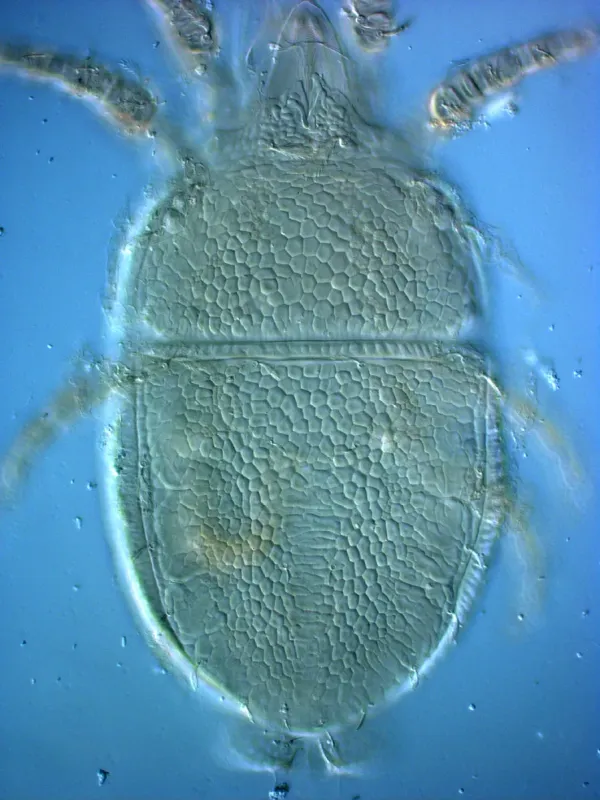
These mites are microscopic, characterized by a flattened, oval-shaped body, typically ranging in color from reddish to brown or dull orange.
They are named for their unique, lanceolate (spear-shaped) setae, which fringe the margins of their body, serving as a key diagnostic feature for experts.
Their life cycle includes egg, larva, protonymph, and deutonymph stages, with each active phase interrupted by a quiescent period prior to molting.
Due to their tiny size and habit of hiding in small crevices, they are notoriously difficult to spot without professional magnification tools.
What it damages
This pest is known to infest various horticultural and fruit-bearing crops, with a particular affinity for pome fruits like apples and pears.
They feed on plant sap by inserting their stylets into the epidermal cells of leaves and young bark, causing cellular destruction.
High infestation levels are particularly detrimental during hot, arid summer months when the plant's physiological stress is at its highest.
The damage causes premature leaf senescence, leading to defoliation, which severely hampers the tree's ability to undergo photosynthesis.
Chronic infestations result in reduced fruit set, lower quality produce, and an overall decline in the health and vigor of the entire plantation.
When it appears
Adult females overwinter in protected areas, typically deep within the cracks and fissures of tree bark or near the base of vegetative buds.
Activity resumes in early spring as temperatures rise, signaling the mites to migrate from their winter refuges to the developing buds and leaves.
The reproduction rate accelerates significantly during the summer, allowing the species to complete multiple generations within a single season.
Population density often peaks during the mid-to-late summer months, corresponding with the peak of dry and warm weather conditions.
As autumn approaches and temperatures drop, the adult females seek out sheltered locations on the trunks to enter a state of winter diapause.
Signs of infestation
Early symptoms appear as small, chlorotic stippling on the leaves, which eventually merge to form larger bronzed or scorched-looking patches.
Leaves lose their natural deep green luster, appearing dull or dusty, and may show signs of premature wilting under direct sunlight.
Close examination with a hand lens will reveal the presence of adult mites, translucent eggs, and discarded white cast skins on the leaf surface.
Stunted growth of new shoots and general tree decline are common observations in orchards with high, unmanaged mite populations.
Infestation is often uneven, with localized hotspots developing on specific trees before spreading to the rest of the orchard.
Control measures
Effective management requires the strategic application of acaricides that target both mobile stages and eggs to prevent rapid population recovery.
Horticultural practices, such as removing loose bark from trunks during winter, can significantly reduce the number of successful overwintering sites.
Monitoring programs using scouting techniques, such as leaf sampling and tap tests, are essential for determining the correct timing for interventions.
Promoting orchard health through balanced irrigation and proper nutrition helps trees build the necessary resilience to withstand mite feeding.
- Application of specialized acaricides approved for integrated pest management.
- Use of summer oils to suppress egg-laying and mite mobility.
- Pruning and destroying heavily infested branches to reduce local populations.
Taxonomy
- Latin name
- Cenopalpus lanceolatisetae
- Order
- Mites
- Family
- Tenuipalpidae
- EPPO code
- CENOLA
Discussion
No discussions yet — be the first.