
Cactus mirid bug
Caulotops barberi
Description
How to identify
The cactus mirid bug (Caulotops barberi) belongs to the family Miridae, also known as plant bugs. This species is a specialized pest that feeds exclusively on various species of cacti.
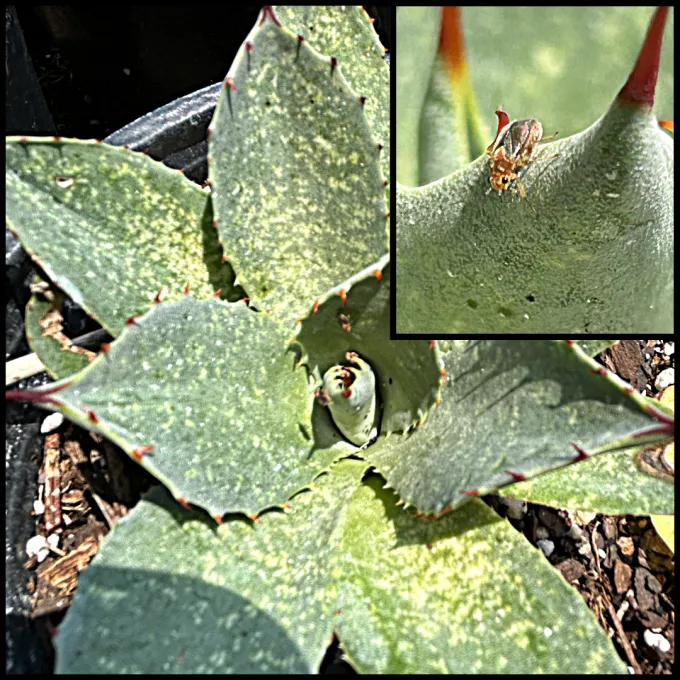
Adult bugs are small, generally measuring only a few millimeters in length. Their coloration is cryptic, usually dark or mottled, which helps them blend in with the spines and texture of cactus stems.
The lifecycle includes several nymphal stages. These nymphs are smaller than adults and wingless but possess the same piercing-sucking mouthparts, which allow them to damage plants immediately upon hatching.
Identifying this insect can be challenging due to its habit of hiding in crevices between ribs or near the base of spines. A magnifying glass is essential for early detection of the population.
The bug thrives in protected environments like greenhouses, where stable temperatures allow for continuous reproduction and rapid expansion of its population throughout the year.
What it damages
The primary damage is caused by the bug piercing the cactus epidermis to extract sap. This process leads to localized tissue death and the formation of characteristic pale or necrotic spots.
Because cacti rely on their stems for both structure and nutrient storage, heavy infestation leads to severe plant stress. This often results in stunted growth and a significant loss of vigor.
Open wounds left by the feeding activity are prone to colonization by opportunistic fungi and bacteria. Consequently, a mirid bug infestation is frequently followed by rot, which can kill a cactus quickly.
Damage to the meristem or growing tip is particularly harmful. If the bug feeds on these areas, it may cause permanent distortion or stop the growth of the plant entirely.
Severe infestations ruin the aesthetic value of ornamental cacti, leaving scarred, corky, or discolored patches that take years to grow out or remain as permanent blemishes.
Signs of infestation
Early signs of infestation include tiny yellow or whitish stippling on the cactus surface. These spots are essentially cells that have been emptied of their contents by the feeding bug.
Small black fecal specks on the skin of the cactus are a clear indication of a resident bug population. These spots are often found scattered across the stems in areas where the bugs have been feeding.
Discarded white or translucent cast-off skins from molting nymphs are telltale signs. Finding these remains suggests the insects are actively reproducing and growing on the plant.
A loss of natural luster or a change in the plant's skin texture to a dull, matte finish is a reliable indicator of prolonged feeding and underlying tissue destruction.
Wilted or deformed growing points or distorted ribs are signs of chronic damage. In advanced cases, the plant may appear shriveled despite adequate watering, indicating damage to its water-conducting tissues.
Control measures
Systemic insecticides are the most effective method for controlling Caulotops barberi. Compounds that move through the plant's vascular system ensure that the insects ingest the toxin while feeding.
A rigorous treatment schedule is necessary to break the lifecycle. Multiple applications spaced 7–10 days apart are required to target nymphs that emerge from eggs that may have survived earlier sprays.
Strict quarantine protocols for all new plant acquisitions are vital to prevent the introduction of these pests into a clean collection. Observe new plants in isolation for at least a month.
Improving air circulation and maintaining proper humidity levels within the greenhouse can help deter bug activity. Stagnant, hot, and dry air is often favored by these insects.
If an infestation is detected, immediate removal and destruction of the most severely affected plant parts can slow the spread. Use horticultural soaps or oils to wash the remaining plants if the infestation is light.
Taxonomy
- Latin name
- Caulotops barberi
- Order
- Hemiptera (bugs, aphids, leafhoppers)
- Family
- Miridae
- EPPO code
- CAUTBA
Discussion
No discussions yet — be the first.