
Catopsilia agarithe
Catopsilia agarithe
Description
How to identify
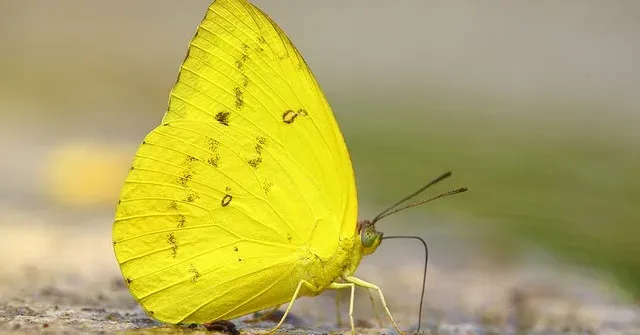
Catopsilia agarithe is a species of butterfly belonging to the Pieridae family. Commonly known as the large orange sulphur, adult butterflies have vibrant yellow or orange wings with a wingspan of approximately 60–80 mm.
The larvae are bright green, providing excellent camouflage against the leaves of their host plants. Their bodies are marked with fine dark dots and faint lateral stripes, blending into the foliage.
Pupae are typically attached to the stems or leaves of host plants by a silk thread. They maintain a green coloration throughout the pupation stage, which acts as a defense mechanism against avian predators.
The life cycle encompasses four distinct stages: egg, larva, pupa, and adult. The duration of these stages is significantly influenced by ambient temperature and available food resources.
This species is predominantly found in tropical and subtropical regions of the Americas, where it is known to be highly active in warm, humid climates.
What it damages
The primary hosts for Catopsilia agarithe larvae are plants within the Fabaceae family. They are particularly known for causing damage to various species of Cassia and related ornamental legumes.
Feeding damage is characterized by the consumption of leaf tissue, which can progress from minor leaf-edge notches to complete defoliation if left unchecked.
Heavy infestations lead to significant loss of leaf surface area, which disrupts the photosynthetic process and weakens the host plant's overall health and vigor.
Severely defoliated plants may exhibit reduced growth, diminished flowering capacity, and increased vulnerability to secondary environmental stressors like drought or disease.
In nursery settings, young plants are particularly at risk, as a significant loss of foliage at an early development stage can potentially lead to the death of the plant.
Signs of infestation
The most immediate indicator of infestation is the presence of irregular bite marks along the edges of leaves, often accompanied by holes within the leaf blades.
Fecal pellets (frass) found on the soil surface beneath the plant canopy are a clear sign that larvae are present and feeding on the foliage above.
Closer inspection of the leaves often reveals solitary eggs laid on the underside of the foliage, which are usually small, elongated, and light in color.
The larvae themselves, while well-camouflaged, are often found resting along the midrib of leaves during the heat of the day to minimize water loss and exposure.
A surge in adult butterfly activity near crops suggests that egg-laying is occurring, which should prompt immediate scouting to identify and manage the next generation of larvae.
Control measures
Manual removal of larvae and egg clusters is a highly effective control measure for small-scale gardens or when dealing with individual ornamental specimens.
For larger infestations, biological control products containing Bacillus thuringiensis (Bt) are highly recommended, as they effectively target lepidopteran larvae while remaining safe for non-target species.
Sanitary practices, such as pruning away heavily infested branches, help to reduce the overall larval population and prevent further spread throughout the planting site.
Chemical intervention should be considered a last resort and used only when populations exceed economic thresholds, ensuring that applications are timed to avoid peak pollinator activity.
- Scout regularly for eggs and young larvae on the undersides of leaves.
- Encourage the presence of natural predators like parasitic wasps and predatory bugs.
- Use pheromone or light traps to monitor adult movement and population density.
Taxonomy
- Latin name
- Catopsilia agarithe
- Order
- Lepidoptera (butterflies)
- Family
- Pieridae
- EPPO code
- CATPAG
Discussion
No discussions yet — be the first.