
Catopsilia
Catopsilia
Description
How to identify
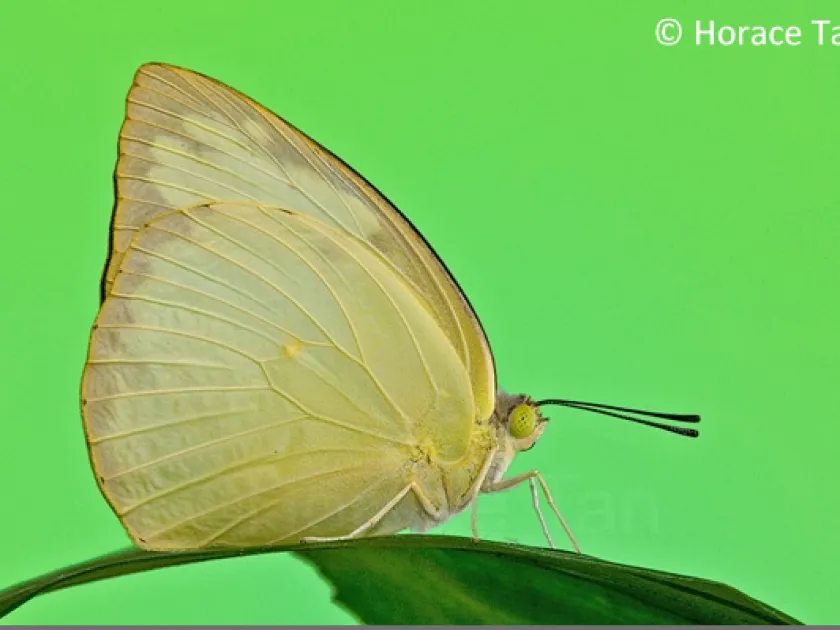
The genus Catopsilia belongs to the Pieridae family (order Lepidoptera). These butterflies, often known as migrants or sulphur butterflies, are characterized by their vibrant yellow to white wings, frequently marked with dark edges.
The larvae, or caterpillars, are typically green, which provides excellent camouflage against the foliage of their host plants. Their bodies are cylindrical and may possess fine hairs, making them difficult to detect at first glance.
The life cycle encompasses four stages: egg, larva, pupa, and adult. Eggs are usually laid individually on the underside of leaves to protect them from environmental stressors and predators.
Larvae undergo several molting stages, growing significantly in size while consuming plant material. Development is highly sensitive to ambient temperature and moisture, with warmer climates accelerating the process.
Pupation occurs on the host plant or nearby vegetation. The pupa is secured to a stem or petiole by a silk pad, serving as the stage where the final transformation into an adult butterfly takes place.
What it damages
Catopsilia larvae feed primarily on plants within the Fabaceae family. They pose a significant threat to various agricultural crops, ornamental plants, and tree species used in agroforestry.
The primary damage is caused by the caterpillars feeding on young, succulent leaves. In severe infestations, they can consume the entire leaf surface, leaving only the primary veins intact.
Defoliation reduces the plant's ability to perform photosynthesis, which severely stunts development, weakens the root system, and lowers the overall vigor of the crop.
For agricultural producers, this pest causes economic losses through reduced yields and decreased quality of harvested produce, especially in high-value legume crops.
Secondary damage occurs as plants, stressed by severe leaf loss, become more susceptible to opportunistic pathogens and environmental stress, such as drought or heat.
Signs of infestation
The earliest sign of a Catopsilia presence is the appearance of irregular holes or notched edges on the leaves. As larvae mature, the rate of consumption increases, making the damage more visible.
Fecal pellets (frass) left on the leaf surface or on the ground beneath the plant are a strong indicator of an active caterpillar population present in the canopy.
A thorough visual search of the lower leaf surfaces, especially in the early morning or late afternoon, usually reveals the presence of green larvae hiding among the foliage.
Adult butterflies flying around the field or plantation often signify the onset of an egg-laying cycle, which is a critical time for monitoring and early intervention.
Severe infestations are marked by "skeletonized" leaves where only the tough structural veins remain, significantly compromising the plant’s health.
Control measures
Integrated Pest Management (IPM) is essential for controlling Catopsilia. Regular scouting of fields during the growing season is the most effective way to catch infestations early.
Biological control agents, particularly microbial insecticides like Bacillus thuringiensis, are highly recommended because they target caterpillar larvae specifically without harming beneficial insects.
Cultural practices, such as removing alternative weed hosts and maintaining clean field margins, are vital for breaking the insect's life cycle in the environment.
Chemical control should be reserved for cases where pest populations exceed the economic injury level, utilizing selective insecticides to minimize environmental impact.
- Scouting for egg clusters on the underside of foliage.
- Encouraging natural predators such as predatory wasps and birds.
- Applying biological pesticides during the early larval stages.
Taxonomy
- Latin name
- Catopsilia
- Order
- Lepidoptera (butterflies)
- Family
- Pieridae
- EPPO code
- CATPSP
Discussion
No discussions yet — be the first.