
Raspberry bud moth
Carposcalis obscura
Description
How to identify
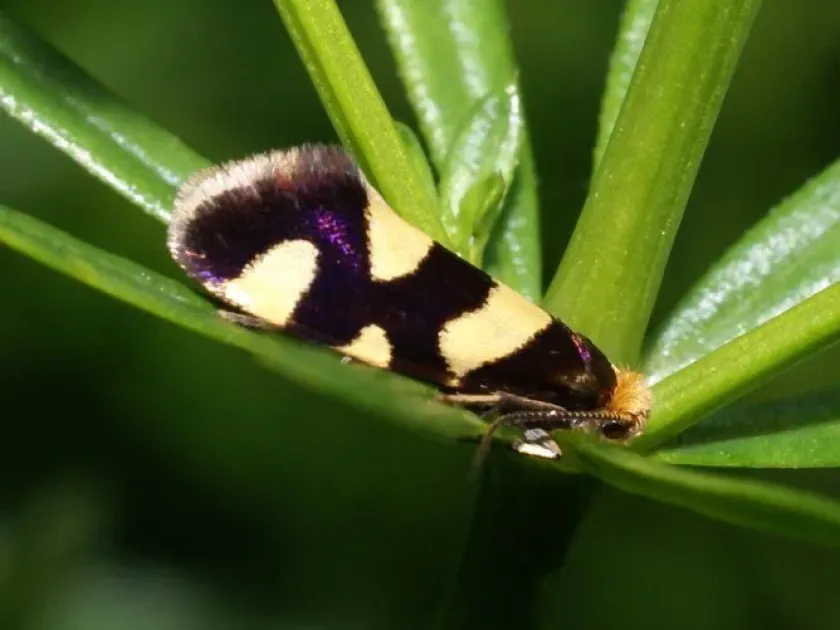
The raspberry bud moth (Lampronia corticella, formerly known as Carposcalis obscura) is a small moth species that poses a significant threat to raspberry plantations. Adult moths have a wingspan of approximately 10–12 mm, with dark brown wings featuring distinct yellow spots that help in distinguishing them from other lepidopteran pests.
The larvae are bright red with dark heads, reaching about 8 mm in length. This coloration is a key diagnostic feature for farmers and agronomists checking for infestations during the early spring period when the larvae are most active.
The larvae overwinter in small, dense cocoons tucked into bark crevices or under plant debris near the base of the cane. This protective behavior makes it difficult to eliminate them during winter dormancy without specific cultural practices.
In spring, as temperatures rise, the larvae migrate toward the swelling buds. This emergence period is the most critical time for monitoring and early detection, as the pests are highly vulnerable before they penetrate the buds.
Adult moths emerge during the flowering phase of the raspberry. They are primarily nocturnal, and their egg-laying activities directly influence the population density of the next generation, which targets the developing fruit.
What it damages
The primary damage occurs in early spring when larvae bore into the swelling buds. By consuming the inner tissues of the bud, the larvae destroy the potential fruiting branches, which leads to substantial crop failure.
Damaged buds fail to develop, turning brown and appearing scorched. If the terminal bud is destroyed, the entire primary cane may stop growing, leading to stunted plants and significant yield losses across the orchard.
Once the buds are consumed, the larvae often transition to the young shoots, boring into them. This activity causes the wilting and death of the shoot tips, disrupting the plant's vascular system and overall health.
The summer generation of larvae feeds directly on the ripening fruit. This causes deformation of the berries, premature discoloration, and a significant drop in market quality, making the produce unsuitable for sale.
Infected berries are prone to secondary infections, such as gray mold (Botrytis). The presence of the larvae and their frass within the fruit creates a gateway for fungal pathogens, further damaging the remaining harvest.
Signs of infestation
The first sign of infestation is the appearance of "hollowed-out" buds in early spring. These buds remain closed, turn brown, and eventually wither, leaving the raspberry canes looking sparse and unhealthy.
Small entry holes at the base of the buds, often accompanied by brownish frass (larval excrement), serve as clear evidence of an active infestation. This is a primary indicator for agronomists to begin control measures.
Wilting of young shoot tips during the budding phase is another critical sign. This indicates that the larvae have moved from the buds into the stems, causing structural damage that affects the entire plant's vitality.
Deformed or asymmetrical berries during the harvest season indicate that a larva has been feeding inside the fruit. Such berries often ripen unevenly and have a compromised flavor, marking them as clearly infested.
Fine silk webbing observed on the inflorescences or leaves during the flowering period indicates that the larvae are preparing for pupation. This is a final warning sign that immediate intervention is required to save the crop.
Control measures
The most effective cultural control method is the thorough pruning and burning of all old, dry, and infested canes. This practice removes the primary overwintering sites, significantly reducing the pest population for the following year.
Cultivation practices, such as deep hoeing or tilling the soil around the base of the plants during the pupation stage, can destroy the cocoons. Disrupting the soil environment prevents the successful emergence of the next generation.
Chemical control should be timed to coincide with the larval emergence from hibernation, typically at the "green cone" stage of bud development. Using selective insecticides can effectively curb population growth without causing major harm to beneficial insects.
Biological control methods, such as encouraging natural predators (e.g., lacewings and predatory bugs), help maintain a balanced ecosystem. These beneficial insects naturally hunt and consume the larvae and eggs of the moth.
- Regular orchard scouting and monitoring using pheromone traps.
- Selecting and planting resistant raspberry cultivars.
- Maintaining proper plant spacing to improve airflow and reduce pest niches.
- Applying certified biological pesticides when the economic threshold is reached.
Taxonomy
- Latin name
- Carposcalis obscura
- Order
- Diptera (flies)
- Family
- Syrphidae
- EPPO code
- MLASOB
Discussion
No discussions yet — be the first.