
Carpophilus gaveni
Carpophilus gaveni
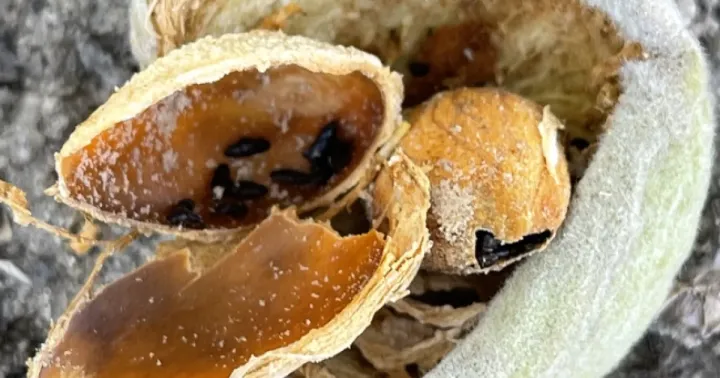
Description
How to identify
Carpophilus gaveni belongs to the family Nitidulidae (sap beetles) within the order Coleoptera. These insects are small, typically oval-shaped, and are known for having short elytra that expose the tip of the abdomen.
The adult beetles are usually brownish or dark in color, often with a dull sheen. Larvae are typically cream-colored or white, soft-bodied, and worm-like, possessing a well-developed head capsule suitable for feeding on plant tissues.
Identifying the species precisely often requires specialist entomological examination of internal morphological structures, as many members of the Carpophilus genus look remarkably similar in the field.
These beetles are highly mobile and are strong fliers, which allows them to colonize orchards and storage facilities rapidly. They are strongly attracted to odors released by fermenting or decaying plant materials.
The life cycle undergoes complete metamorphosis, including egg, larva, pupa, and adult stages. The duration of each developmental stage is highly dependent on ambient temperature and environmental humidity.
What it damages
This pest primarily attacks the generative parts of plants, with a strong preference for ripening fruits and seeds. It is known to cause significant damage both in the field and in post-harvest storage facilities.
Host crops include various stone fruits, pome fruits, and grains. The beetles bore into the fruit through small cracks or previous damage, initiating feeding that leads to the breakdown of fruit tissues.
A major concern is the beetle's role as a vector for pathogenic fungi. By introducing spores into the fruit, they accelerate rotting, which leads to total loss of marketability and nutritional value of the harvest.
Larval feeding creates tunnels within the fruit, resulting in tissue necrosis, premature fruit drop, and significant weight loss of the stored commodity.
High infestation levels can render entire batches of agricultural produce unusable, leading to severe economic impacts for growers and storage operators.
When it appears
The activity of Carpophilus gaveni is heavily influenced by seasonal weather patterns. Warm temperatures combined with high humidity create ideal conditions for rapid reproduction and larval development.
Adult beetles typically overwinter in protected sites such as soil, plant debris, or crevices in storage buildings. They emerge as temperatures rise in the spring to begin seeking food sources.
The population often peaks during the mid-to-late summer months when fruit reaches maturity and becomes highly susceptible to infestation. During this time, adults are most active and migrate frequently.
The number of generations per season can vary significantly based on the climatic region. In warm climates, continuous breeding cycles may occur, leading to overlapping generations throughout the growing season.
As temperatures drop in autumn, beetles seek out stable habitats for diapause. However, in climate-controlled warehouses, the life cycle may continue uninterrupted throughout the entire year.
Signs of infestation
Early symptoms of infestation include the presence of small entry holes on the fruit surface, often accompanied by localized darkening and softening of the tissue around the point of entry.
Upon inspecting the interior of affected fruit, one can find larvae and signs of internal decay. The produce often emits a sour or fermented odor, which is a hallmark of sap beetle infestation.
The presence of adult beetles on the skin of fruits or in packaging is a clear sign of an active infestation. In orchards, premature fruit fall can be an early indicator of larval colonization.
In storage environments, the presence of these beetles can be detected by monitoring for specific pheromone-like odors and observing the fruit surfaces for evidence of feeding activity.
- Darkened lesions and rot on the fruit surface.
- Tunnels and larvae found within the fruit.
- Sour, fermentation-like odor in stored goods.
Control measures
Sanitation is the cornerstone of Carpophilus gaveni control. Growers should prioritize the prompt removal and destruction of fallen fruit and crop debris to eliminate breeding grounds.
Pheromone traps are highly effective for monitoring adult beetle populations. By tracking population spikes, farmers can make informed decisions about the timing and necessity of chemical interventions.
Chemical control should involve the application of registered insecticides according to specific local labels, paying careful attention to pre-harvest intervals to ensure consumer safety.
Cultural practices, such as post-harvest soil cultivation, help disrupt the overwintering stages of the pest, significantly reducing the inoculum load for the next growing cycle.
In storage facilities, maintaining cool and dry conditions is vital, as these environments inhibit beetle development and reduce the likelihood of significant infestations in harvested stocks.
Taxonomy
- Latin name
- Carpophilus gaveni
- Order
- Coleoptera (beetles)
- Family
- Nitidulidae
- EPPO code
- CARHGA
Discussion
No discussions yet — be the first.