
Carpophilus davidsoni
Carpophilus davidsoni
Description
How to identify
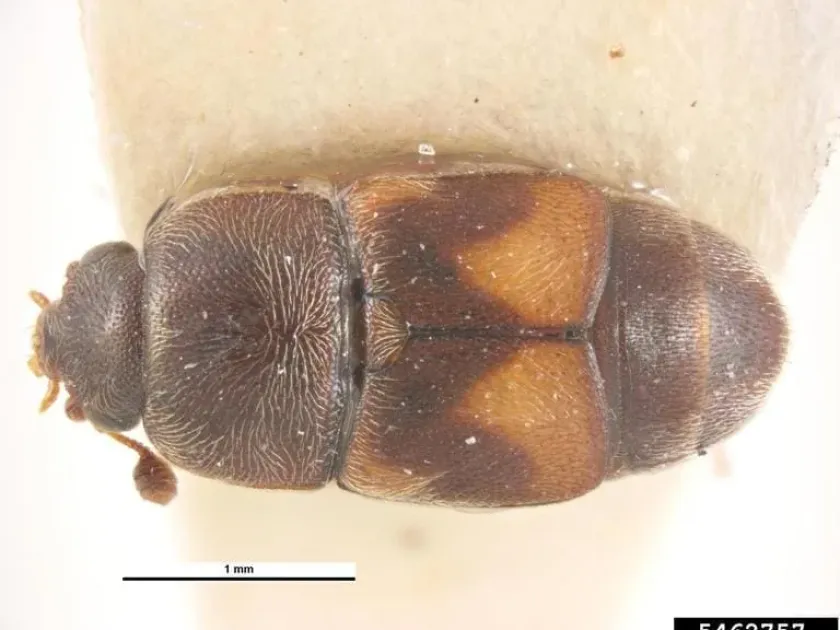
Carpophilus davidsoni, commonly known as a type of dried fruit beetle, belongs to the family Nitidulidae. It is a small, opportunistic pest recognized by its affinity for fermenting organic matter.
Adult beetles measure between 2.5 and 3.5 mm in length and feature a dark brown to black coloration. Their short wing covers (elytra) are a diagnostic feature, leaving the end of the abdomen exposed.
The larvae are typically creamy-white, small, and soft-bodied. They possess chewing mouthparts designed for consuming the internal tissues of softening or decaying fruits.
The lifecycle is temperature-dependent, allowing for multiple generations during a single growing season. They are highly mobile and use olfactory cues to locate stressed or injured produce.
As opportunistic feeders, these beetles are most abundant in environments where damaged, overripe, or rotting fruit is present, serving as both food and an egg-laying substrate.
What it damages
The beetle primarily damages stone fruits such as peaches, nectarines, plums, and apricots. It also infests pome fruits, grapes, and various berries once they reach maturity.
Damage occurs when adults and larvae feed on the interior of the fruit, causing tissue breakdown and rapid rotting. This destroys the commercial value of the crop immediately.
A critical aspect of their harm is the transmission of fungal pathogens. They act as vectors for various fruit rots, most notably brown rot, which can devastate an entire harvest if unchecked.
Infestations often lead to secondary damage, as the beetle activity creates entry points for other insects and opportunistic bacteria that accelerate the decomposition process.
In post-harvest scenarios, the presence of even a few beetles can cause significant financial losses, as they can quickly spread from fruit to fruit within storage crates.
Signs of infestation
Infestation is often first noticed through small circular holes on the surface of the fruit. These holes are usually accompanied by soft, darkened areas that emit a sour, fermenting odor.
Upon inspecting the damaged fruit, one can usually find larvae embedded in the pulp. The fruit interior often appears liquefied or hollowed out due to the feeding activity.
Early signs in the orchard include premature fruit drop or fruit that shows signs of skin breakage. These fruits act as primary attractants for new beetle populations.
Adult beetles can be observed hiding inside the crevices of split or overripe fruits. They become highly active during warm, dry weather conditions during the harvest season.
In packing houses, the presence of adult beetles or fine dust-like debris on the floor and packaging materials is a strong indicator of an ongoing infestation.
Control measures
Orchard sanitation is the cornerstone of control. Removing all overripe, damaged, and fallen fruit from the orchard floor effectively eliminates the food source for the beetle.
Monitoring the population is best achieved through the use of synthetic pheromone traps or food-based attractant traps, which help determine the timing for control interventions.
Proper canopy management, including regular pruning, helps ensure good air circulation, reducing the risk of fungal rots that attract these beetles to the fruit in the first place.
Chemical control is challenging due to strict pre-harvest interval regulations. If necessary, targeted applications of approved insecticides should be timed with the peak flight of the beetles.
During post-harvest, maintaining a cold chain and strictly sorting produce to remove any damaged items is essential to prevent the spread of the pest during transport and storage.
Taxonomy
- Latin name
- Carpophilus davidsoni
- Order
- Coleoptera (beetles)
- Family
- Nitidulidae
- EPPO code
- CARHDA
Discussion
No discussions yet — be the first.