
Carabus lineatus
Carabus lineatus
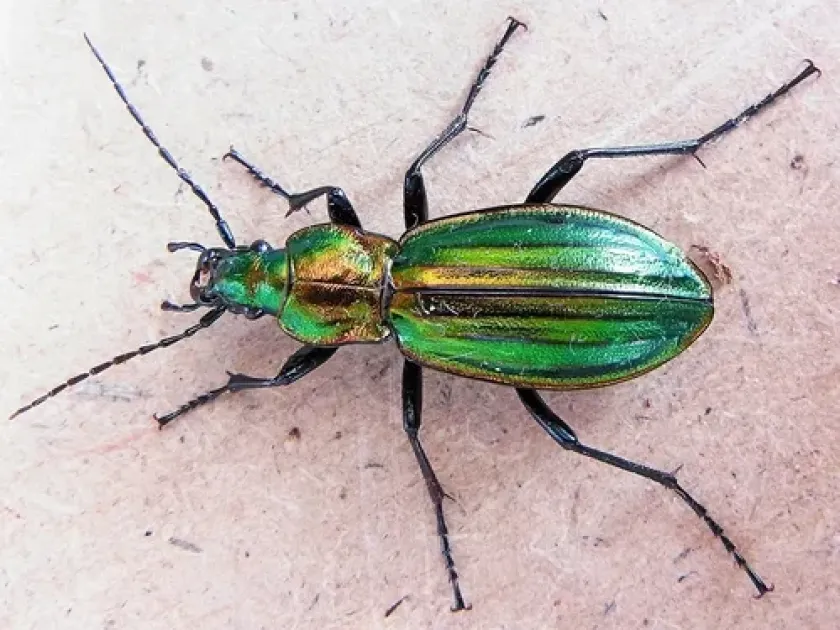
Description
How to identify
Carabus lineatus is a species of ground beetle belonging to the family Carabidae, known for its distinct morphological features and predatory nature.
The adult beetle has a characteristic elongated body with longitudinal markings on the elytra, which helps in identifying the species in the field.
These beetles are primarily nocturnal, seeking shelter under soil debris, rocks, or moist areas during the day to avoid desiccation and predators.
The larvae are active hunters, equipped with strong mandibles and a robust body structure that allows them to move efficiently through the soil.
Populations are generally found in moist agricultural environments where organic matter and ground cover provide stable living conditions.
What it damages
While many carabids act as beneficial predators, Carabus lineatus can cause damage to agricultural crops when natural food sources are scarce.
The primary concern involves damage to cereal crops and seedlings during the critical germination and early growth phases.
Adults and larvae can feed on seeds or cut the stems of young plants at ground level, leading to significant thinning of crop stands.
Vegetable crops are also at risk, as the beetle can feed on tender roots and emerging foliage, impacting overall plant health and vigor.
In high densities, the feeding activity of this beetle leads to uneven crop emergence and yield losses in various agricultural settings.
When it appears
The activity of these beetles begins in early spring as soil temperatures rise, prompting them to emerge from their overwintering sites.
The period of greatest risk to crops occurs during the spring planting season when young, succulent plants are most vulnerable to feeding.
Activity may fluctuate throughout the summer, often increasing in response to humid and cool weather conditions that favor their movement.
As autumn approaches, the beetles prepare for hibernation by moving deeper into the soil layers or finding protected areas in field margins.
The lifecycle and seasonal presence are closely linked to moisture levels and the availability of suitable environments within the cropping system.
Signs of infestation
Evidence of infestation is often identified by patchy, thin stands in fields where seedlings appear severed near the soil surface.
Careful inspection of the soil during the early morning hours can reveal damage to seeds that failed to germinate due to beetle feeding.
Visible feeding marks on the stems and base of young leaves indicate the activity of these beetles during their nocturnal feeding rounds.
Finding the adult beetles hidden beneath soil clumps or mulching materials provides confirmation of their presence in the field.
- Patchy crop emergence and reduced plant density.
- Severed stems at the base of young seedlings.
- Presence of larvae or adults in the topsoil.
Control measures
Proper soil cultivation and tillage techniques are essential to disrupt the beetle's habitat and reduce their overwintering success.
Implementing crop rotation helps prevent the buildup of pest populations, keeping the density below the economic injury level.
Seed treatments with insecticides serve as a crucial first line of defense, protecting germinating seeds and young plants from early-season attacks.
Chemical control via surface-applied insecticides should be considered only when scouting indicates populations exceed specified thresholds.
Maintaining clean fields by removing excessive crop residues can reduce the attractiveness of the area to these ground-dwelling beetles.
Taxonomy
- Latin name
- Carabus lineatus
- Order
- Coleoptera (beetles)
- Family
- Carabidae
- EPPO code
- CARALI
Discussion
No discussions yet — be the first.