
Garden ground beetle
Carabus hortensis
Description
How to identify
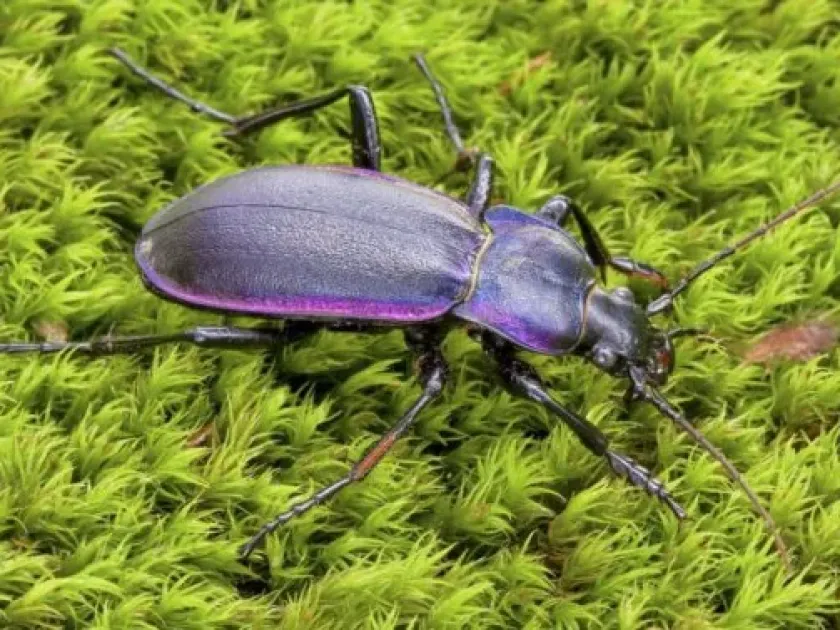
The garden ground beetle (lat. Carabus hortensis) is a large predatory beetle belonging to the Carabidae family. Adults typically measure between 20 and 30 mm in length and are easily recognized by their dark, metallic-lustre elytra bordered with a distinct golden-green sheen.
As a nocturnal insect, the beetle hides during the day in moist, shaded environments such as under stones, leaf litter, or dense vegetation. Its body shape is adapted for swift movement along the soil surface, allowing it to navigate through various garden habitats efficiently.
The life cycle undergoes complete metamorphosis, consisting of egg, larva, pupa, and adult stages. Larvae possess well-developed mandibles and are generally active at night, residing within the upper layers of the soil where they search for organic matter and smaller organisms.
While often categorized as beneficial predators that feed on slugs and snails, these beetles can exhibit opportunistic feeding habits. When their preferred prey is scarce, they may resort to consuming vegetable tissues, causing frustration for gardeners and farmers.
Identification in the field requires careful observation, as many carabid species look similar. However, Carabus hortensis is distinct due to its specific color patterns and preference for forested or semi-shaded garden edges where moisture remains stable.
What it damages
The primary damage caused by garden ground beetles involves the destruction of young seedlings and delicate plant parts. When populations are high, they may feed on the tender leaves and stems of emerging vegetable crops, causing significant growth retardation.
Strawberry crops are particularly vulnerable to this pest. The beetles often target ripening fruits that are in contact with the soil, chewing holes in the epidermis and flesh, which quickly leads to decay and contamination by secondary pathogens.
Larval stages can cause indirect damage by gnawing on the roots of young ornamental and vegetable plants. This root-feeding activity compromises the plant's ability to uptake water and nutrients, leading to wilting and, in severe cases, plant death.
The damage is usually more pronounced during dry spells when the beetles seek water-rich plant material to supplement their nutritional and hydration requirements. This opportunistic shift in diet makes them a serious threat to sensitive crops during droughts.
Beyond direct consumption, the wounds inflicted by beetles create pathways for various fungal and bacterial infections. This significantly increases the risk of plant diseases, complicating the recovery process for affected vegetable beds.
Control measures
Effective management begins with sanitation practices. Eliminating debris, leaf litter, and tall weeds around garden beds removes the necessary daytime shelters for the beetles, effectively reducing their presence near vulnerable plants.
Deep autumn cultivation of the soil is highly recommended. By turning over the soil, the overwintering chambers of the larvae and adults are destroyed, exposing them to harsh weather conditions and predators, which significantly lowers the population for the next growing season.
For small-scale control, pitfall traps are highly efficient. By burying containers filled with a sweet or fermented bait (like diluted syrup or beer) flush with the soil surface, gardeners can capture large numbers of active adults overnight.
Chemical control should be approached with extreme caution to avoid harming non-target beneficial insects. Insecticides should only be considered as a last resort when the economic threshold for crop damage has been clearly exceeded.
Biological control methods, including the use of entomopathogenic fungi, provide a more sustainable alternative. These treatments target the larvae within the soil, effectively reducing the population without leaving harmful chemical residues on the final produce.
Taxonomy
- Latin name
- Carabus hortensis
- Order
- Coleoptera (beetles)
- Family
- Carabidae
- EPPO code
- CARAHO
Discussion
No discussions yet — be the first.