
MOSCOW TRANSPARENCY
BOTANIChESKIJ SAD MGU IM.M.V.LOMONOSOVA
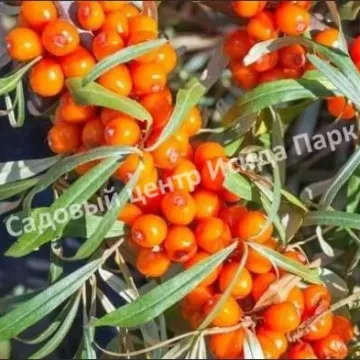
Sea Buckthorn
0
0
·
75
1 offer
245.42 €per pack
Buy
Capitophorus hippophaes
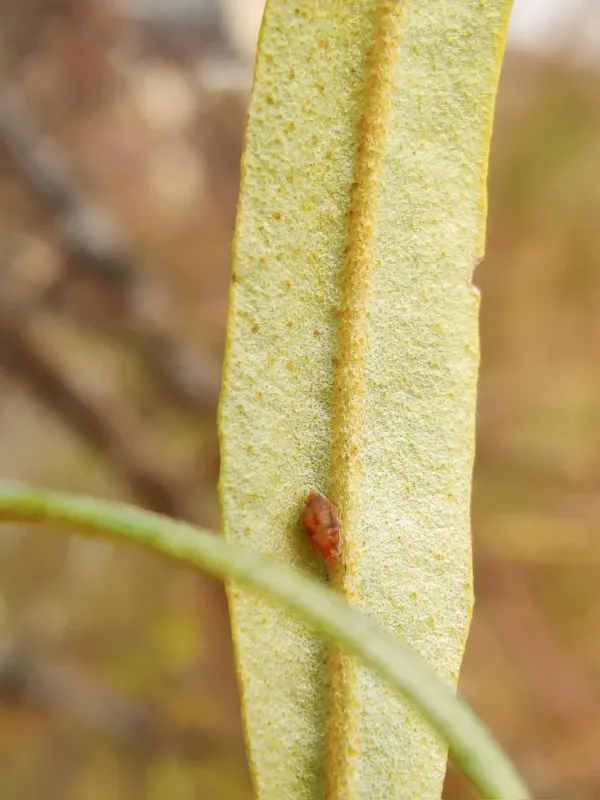
The sea buckthorn aphid (Capitophorus hippophaes) is a small sap-sucking insect belonging to the family Aphididae, order Hemiptera.
Adults measure approximately 1.5–2 mm in length and display a light green coloration that allows them to blend in perfectly with the host plant foliage.
This species is a heteroecious aphid, meaning it requires different host plants to complete its complex annual life cycle.
The morphological features of these insects include long siphunculi at the end of the abdomen, which is a key diagnostic character for entomological identification.
Nymphs resemble the adults but are smaller in size and lack functional wings, concentrating entirely on feeding and growing during their immature stages.
The primary host for this pest is the sea buckthorn (Hippophae rhamnoides), where it settles on the underside of leaves and tender shoot tips.
During the summer months, the aphids migrate to secondary host plants, specifically species of smartweed (Persicaria), where they continue to reproduce.
Heavy infestations weaken the sea buckthorn bushes significantly, as the insects deplete the plant of essential sap and nutrients.
The damage to the foliage reduces the overall photosynthetic capacity of the plant, potentially affecting the development of fruit buds for the subsequent season.
Young plants in nurseries are particularly vulnerable to aphid colonization, which can stunt growth and cause severe developmental issues.
The aphid overwinters in the egg stage on the bark and around the buds of sea buckthorn branches, ensuring survival through harsh weather.
In spring, as buds begin to burst, the eggs hatch into stem mothers, initiating the first generation of the season on the primary host.
Throughout the late spring and early summer, several generations develop, with winged forms appearing as the season progresses.
Migration to the secondary host occurs in mid-summer, moving the population away from the sea buckthorn to colonize smartweed plants.
In early autumn, winged individuals return to the sea buckthorn to mate and lay overwintering eggs, completing the annual biological cycle.
Curling, yellowing, and deformation of young leaves are the most distinct signs that an aphid colony is established on the sea buckthorn.
The presence of honeydew, a sticky substance excreted by the aphids, often attracts ants and can lead to the growth of sooty mold.
Shoot tips become twisted and stunted, failing to grow properly and exhibiting a generally unhealthy appearance throughout the vegetative period.
Black sooty mold covering the leaf surface further impairs plant health and serves as a visible indicator of previous or ongoing aphid activity.
Cultural control involves removing secondary host plants, such as smartweed, from the vicinity of the orchard to disrupt the aphid's migration cycle.
Chemical intervention with systemic or contact insecticides should be timed during the early spring when the first nymphs emerge from the eggs.
Biological control methods, including the encouragement of natural predators like ladybugs and lacewings, help maintain the aphid population at low levels.
Regular monitoring of the orchards is essential to detect early infestations and apply localized treatments rather than broad-spectrum spraying.
Maintaining balanced plant nutrition supports the resilience of sea buckthorn against pest pressure and promotes faster recovery after damage.


No discussions yet — be the first.