
Calvia
Calvia
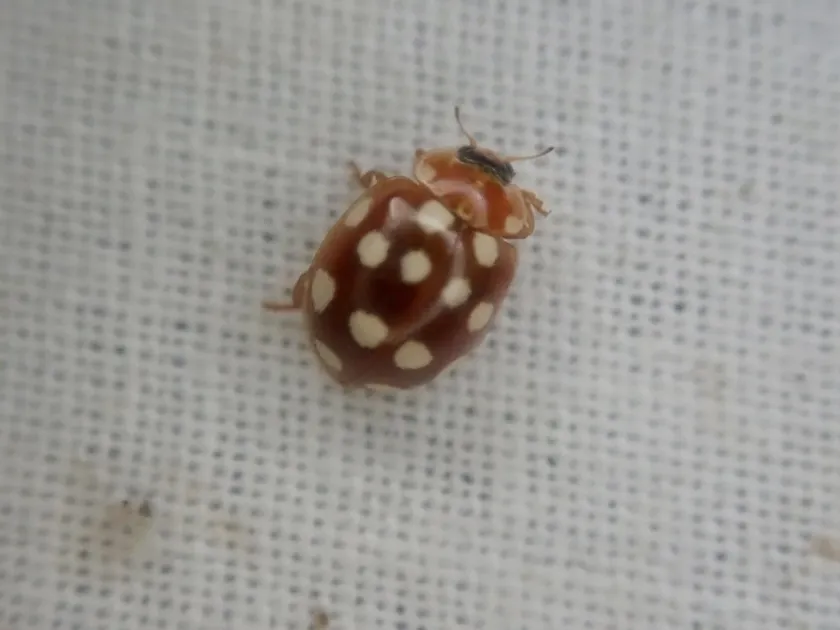
Description
How to identify
Calvia is a genus of lady beetles (Coccinellidae) that, while generally considered beneficial, includes specific species that exhibit herbivorous behavior, acting as plant pests.
Adult insects are typically dome-shaped, resembling standard ladybugs, with distinctive pigmentation patterns on their elytra that serve as key identification marks.
The average body length of these insects ranges between 5 to 7 millimeters, making them clearly visible during field inspections of the canopy or foliage.
Larvae are generally elongated and possess specialized structures on their cuticles, often leading a cryptic lifestyle on the undersides of leaves.
Their rapid reproduction rate and ability to adapt to diverse ecological conditions make them a notable subject in agricultural pest monitoring programs.
What it damages
This pest primarily affects deciduous trees and shrubs, showing a strong preference for cultivated species such as apple trees and various willow hybrids.
Damage is characterized by the consumption of leaf tissue, which results in irregular holes and a significant reduction in the plant's overall photosynthetic area.
Heavy infestations can lead to stunted shoot growth, weakened overall plant vigor, and increased susceptibility to secondary environmental stressors.
In ornamental and commercial orchards, the aesthetic and commercial value is reduced due to the foliage damage caused by feeding larvae.
Young plantations are particularly vulnerable, as they lack the root reserves necessary to overcome intensive defoliation during the peak growing season.
When it appears
The seasonal activity of Calvia initiates in early spring, coinciding with the rise in temperatures as adults emerge from their overwintering sites.
The highest levels of larval activity are observed during the mid-summer months when foliage is abundant and environmental conditions are favorable.
The life cycle stages, including egg, larva, pupa, and adult, are strictly regulated by ambient temperature, influencing the speed of development.
As autumn approaches, adults seek protected micro-habitats such as bark crevices or deep leaf litter to successfully survive the winter period.
Depending on the climatic zone, the pest can complete one or more generations per year, with warmer regions showing significantly higher population spikes.
Signs of infestation
The primary symptom of infestation is the appearance of shredded or windowed leaf blades, caused by the localized feeding of larval stages.
Dark fecal spots on the leaf surface are commonly observed, which can subsequently serve as entry points for various fungal pathogens.
Leaf curling or marginal necrosis often occurs as a reaction to the physical damage sustained by the plant during the pest's feeding process.
Clusters of eggs, usually found on the underside of leaves near the midrib, are a clear sign that a new generation of pests is about to hatch.
Disturbed plants may exhibit overall wilting or yellowing during severe infestations, indicating a serious disruption in water and nutrient transport.
Control measures
Implementing strict sanitation practices, such as the removal and destruction of infested leaf litter, is the most effective way to eliminate overwintering sites.
Promoting a diverse ecosystem that supports natural predators, such as predatory bugs and lacewings, helps to naturally regulate pest population dynamics.
Biological pesticides, particularly those utilizing specific entomopathogenic fungi, provide a targeted and environmentally friendly control solution.
In cases of widespread infestation, the use of registered systemic insecticides should be considered, following established safety and application guidelines.
Consistent monitoring and early detection are crucial, as localized manual removal can often prevent the need for more intensive chemical interventions.
Taxonomy
- Latin name
- Calvia
- Order
- Coleoptera (beetles)
- Family
- Coccinellidae
- EPPO code
- CLVASP
Discussion
No discussions yet — be the first.