
Calocoris nemoralis
Calocoris nemoralis
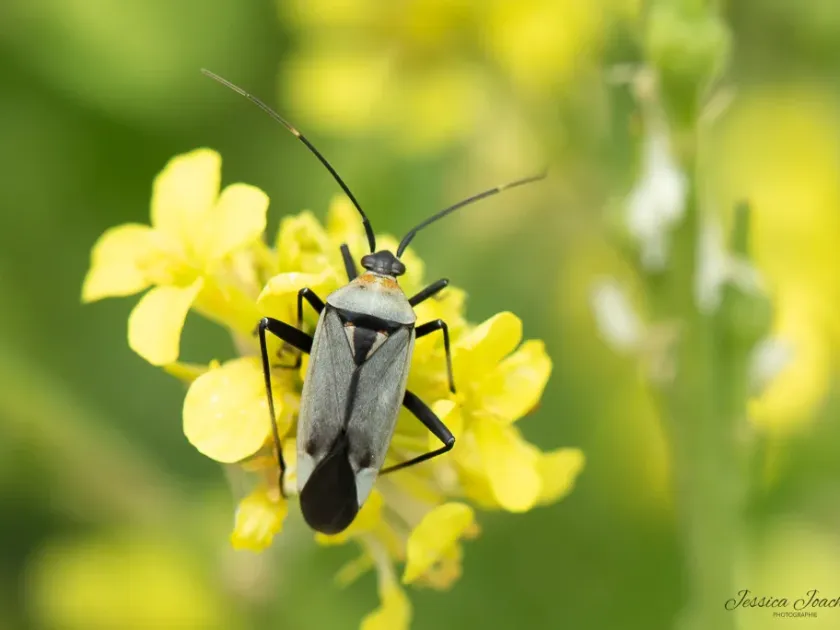
Description
How to identify
Calocoris nemoralis is a species of plant bug belonging to the Miridae family within the order Hemiptera. These insects typically measure between 6 and 8 mm in length, featuring an elongated body and a coloration ranging from light green to brownish.
As true bugs, they possess piercing-sucking mouthparts designed to extract sap from plant tissues. The nymphs undergo incomplete metamorphosis, passing through five developmental stages before reaching the adult winged form capable of rapid dispersion.
What it damages
This species is a known polyphagous pest that feeds on a wide range of agricultural crops, including various vegetables, legumes, and berry bushes. They are particularly attracted to succulent tissues where nutrient concentration is high.
The damage is not limited to leaves; Calocoris nemoralis frequently attacks stems and floral parts of plants. This feeding habit can hinder the overall development of the crop, leading to stunted growth and reduced yields in commercial farming.
When it appears
The lifecycle typically begins in spring when overwintering eggs hatch. The peak population density is generally observed from late May through June as temperatures rise, facilitating the development of nymphs.
Depending on local climatic conditions, the bug may complete one or two generations during a single growing season. Hot, dry weather conditions tend to accelerate the reproductive cycles of this pest, increasing the pressure on host plants.
Signs of infestation
Infestation is characterized by the appearance of chlorotic spots on foliage, which are the result of toxic saliva injected during feeding. Over time, these spots can merge, causing the leaf tissue to wither and die.
Severe infestations lead to the distortion of leaves and young stems. Furthermore, the punctures made by the bugs can serve as entry points for secondary pathogens, such as fungi or bacteria, complicating the health status of the plants.
Control measures
Integrated pest management (IPM) is essential for controlling this mirid. Keeping field margins and surrounding areas free of weeds is a critical preventive measure, as it eliminates alternative hosts for the bug.
When the population threshold is exceeded, the application of selective insecticides is recommended. Farmers should prioritize monitoring programs to ensure timely intervention, minimizing the chemical footprint while protecting the crops from significant damage.
Taxonomy
- Latin name
- Calocoris nemoralis
- Order
- Hemiptera (bugs, aphids, leafhoppers)
- Family
- Miridae
- EPPO code
- CLCRNE
Discussion
No discussions yet — be the first.