
Calocoris
Calocoris
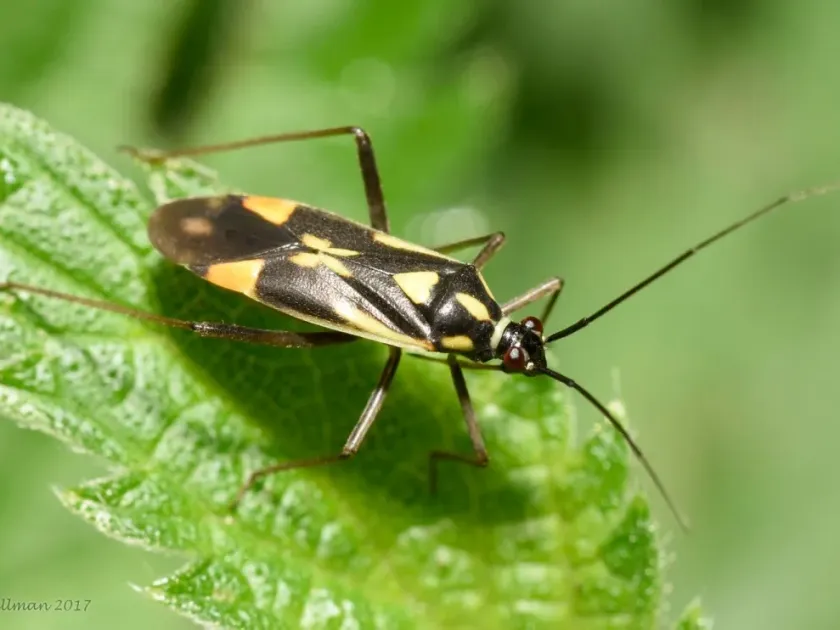
Description
How to identify
Calocoris is a genus of bugs within the Miridae family, commonly known as mirid bugs or plant bugs. These insects are characterized by their slender, elongated bodies, typically measuring between 5 to 9 millimeters in length.
They exhibit a wide range of colors, often appearing green, yellow, or brown, which provides excellent camouflage among foliage. They possess well-developed, membrane-like wings that allow them to fly efficiently between host plants.
The nymphs look similar to the adults but lack wings and are generally smaller in size. Throughout their life cycle, they undergo several instars, gradually increasing in size and refining their color patterns.
Mirid bugs are known for their high mobility and defensive behavior. When disturbed, they quickly scurry to the underside of leaves or drop to the ground, making them difficult to detect during routine field inspections.
Identification often requires close examination of their antennae and pronotum. Correct identification is essential for developing an effective strategy, as different species may require specific management approaches.
What it damages
These pests are polyphagous, meaning they feed on a diverse range of agricultural crops, including cereals, vegetables, forage grasses, and fruit bushes. Their piercing-sucking mouthparts allow them to extract plant sap.
They preferentially attack succulent parts of plants such as young shoots, flower buds, and developing fruits. This feeding habit causes localized cell death and disrupts the normal growth processes of the plant.
In cereal crops, damage to the developing head or spike results in shriveled grains and reduced yields. Heavy infestations can lead to significant economic losses for farmers if left unmanaged.
For berries and fruits, the damage manifests as severe deformities and scarring. These physical injuries not only degrade the quality of the produce but also serve as entry points for various bacterial and fungal pathogens.
Vegetable crops, particularly in greenhouse settings, are highly susceptible. Feeding by Calocoris can stunt plant growth and render the fruits unmarketable, causing substantial frustration for producers.
When it appears
The life cycle typically involves overwintering as eggs inserted into the stems or petioles of host plants. Hatching usually begins in early spring, synchronized with the onset of plant growth and bud break.
The period of peak activity for the larvae and subsequent adult stages is typically observed in late spring and early summer. This corresponds to the time when most crops are in their rapid development phase.
Depending on the climatic conditions and temperature, these bugs can produce one or two generations per season. The rapid life cycle allows the population to expand quickly if favorable environmental conditions persist.
Adults are most active during the warmer months, often flying to new areas to feed and reproduce. This migratory behavior requires continuous monitoring throughout the entire growing season.
By late summer and early autumn, their activity begins to wane. The females focus on laying overwintering eggs, which will remain dormant until the cycle restarts the following spring.
Signs of infestation
Initial signs of infestation appear as small, chlorotic spots or stippling on the surface of leaves, caused by the extraction of chlorophyll from the leaf cells.
Distorted, twisted, or stunted leaves are common symptoms. Plants suffering from heavy infestations will generally look weaker and show signs of slowed overall vegetative growth.
Flower buds often wilt and dry up before they have a chance to bloom. If they do open, the flowers frequently exhibit deformities, such as missing petals or asymmetrical growth.
Fruit and berries show characteristic depressions, spots, or corky lesions. These patches are a direct result of the toxic saliva injected by the bugs during feeding, which causes localized tissue necrosis.
The presence of small dark fecal spots on the underside of leaves and general plant unthriftiness are clear indicators that a colony is active and causing damage to the host.
Control measures
Effective control starts with cultural practices, such as rigorous weed management, as many weeds serve as alternative hosts for the bugs. Removing crop residues after harvest is also crucial.
Biological control can be highly effective; encouraging populations of natural predators such as ladybugs, lacewings, and parasitic wasps helps to keep the mirid bug numbers below the economic threshold.
Chemical intervention should only be utilized when necessary and based on actual pest density counts. Using selective insecticides that are safe for beneficial pollinators is highly recommended.
Regular monitoring using sticky traps or visual inspection helps identify the early stages of an outbreak. Early detection allows for more localized and less chemical-intensive management efforts.
- Implement strict crop rotation schedules.
- Maintain clear borders around agricultural plots.
- Use resistant or tolerant crop varieties.
- Apply insecticides during low-pollinator activity hours.
Taxonomy
- Latin name
- Calocoris
- Order
- Hemiptera (bugs, aphids, leafhoppers)
- Family
- Miridae
- EPPO code
- CLCRSP
Discussion
No discussions yet — be the first.