
Callistus
Callistus
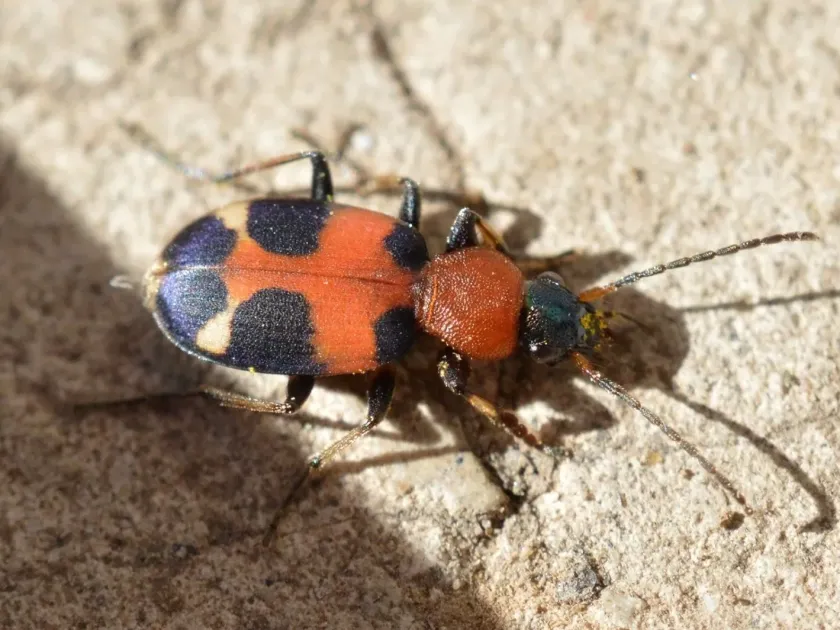
Description
How to identify
The genus Callistus belongs to the family Carabidae, the ground beetles. The most notable species is Callistus lunatus, a small beetle typically measuring between 6 to 8 mm in length.
These beetles are characterized by their vibrant coloration: they feature a bright orange-red pronotum and yellowish elytra with distinct, bold black patterns that make them easy to recognize.
The head and the ventral side of the abdomen are usually black, while the legs and antennae also show dark coloration, contrasting with the striking pattern of the wings.
They are primarily nocturnal creatures, preferring to hide in the soil, under debris, or near the base of plants during the daylight hours to avoid heat and predation.
The habitat of Callistus includes open, sunny environments such as meadows, field edges, and rural paths, where they actively hunt for small prey.
What it damages
It is crucial for agronomists to understand that species within the Callistus genus are not pests. They are classified as beneficial entomofauna that aids in pest management.
These beetles are predators that feed on various small soil-dwelling invertebrates, including larvae of harmful insect species, helping to keep their populations in check.
They do not consume or damage any part of agricultural crops. There is no evidence of them feeding on leaves, stems, roots, or seeds of cultivated plants.
Observing Callistus in a field should be considered a positive sign, indicating a healthy ecosystem where natural predation pressure is active against agricultural pests.
Because they do not cause any economic loss, they should not be targeted by any pest control programs or insecticide applications aimed at crop protection.
Control measures
No control measures are required for Callistus, as they are non-pest organisms that contribute positively to the balance of the agro-ecosystem.
The best practice is to preserve these populations by avoiding the overuse of broad-spectrum insecticides that inadvertently kill beneficial predatory ground beetles.
Maintaining field margins and avoiding excessive soil disturbance can help preserve the habitats where these beetles thrive and provide their services as biological controllers.
Farmers are encouraged to identify beneficial insects correctly to ensure that control efforts are directed only toward actual crop pests and not toward helpful predators.
Integrated Pest Management (IPM) strategies favor the protection of species like Callistus, which work alongside chemical and cultural controls to reduce pest numbers.
Taxonomy
- Latin name
- Callistus
- Order
- Coleoptera (beetles)
- Family
- Carabidae
- EPPO code
- CLLUSP
Discussion
No discussions yet — be the first.