
Calathus mollis
Calathus mollis
Description
How to identify
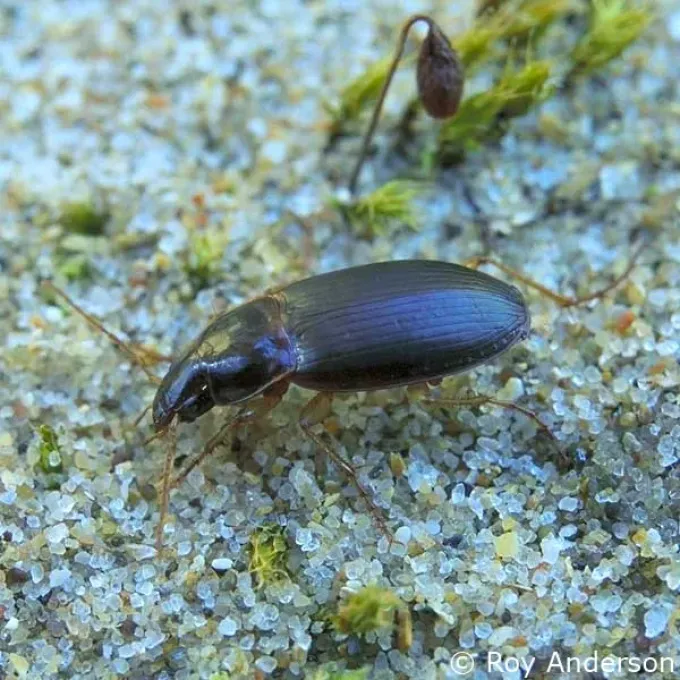
Calathus mollis is a species of ground beetle belonging to the family Carabidae, order Coleoptera. Adult beetles are typically 8 to 12 millimeters long, with an elongated body that is dark brown or black, often displaying a matte or slightly metallic sheen.
The species is named for the characteristic "soft" or matte appearance of its elytra. They possess well-developed, strong legs, which allow them to move quickly across the soil surface and hide within plant debris during the day.
The larvae are campodeiform, highly mobile, and equipped with strong, chewing mouthparts. Their bodies are clearly segmented, with a color profile ranging from light grey to brownish, designed for hunting and maneuvering through soil.
They undergo a complete life cycle, consisting of the egg, larval, pupal, and adult stages. Being nocturnal, these beetles spend their daylight hours hidden under soil clods or organic material, making them difficult to spot during routine field inspections.
Identification of this species often requires professional entomological experience, as it shares morphological similarities with other related carabid beetles. Accurate determination frequently relies on examining the specific structure of the pronotum and tarsal claws.
What it damages
This beetle is considered an occasional or facultative pest, primarily known to affect cereal crops like winter wheat, barley, and rye. In some regions, they can also cause damage to emerging maize crops during the initial growth phases.
Both adults and larvae can cause damage by feeding on seeds in the soil, as well as on germinating shoots and seedlings. The most critical period of vulnerability for the crop is immediately after emergence, when plant tissues are tender.
Their impact is sporadic and largely dependent on environmental conditions. In dry springs, when their natural food sources (such as other small soil insects or weed seeds) are scarce, they are more likely to feed on young crop plants.
Damage symptoms include ragged edges or hollowed-out sections on the coleoptile and hypocotyl. This feeding behavior often leads to stand thinning, stunted growth, or complete seedling mortality, potentially necessitating re-sowing of affected areas.
Fields with significant amounts of plant residue often provide ideal shelter for these beetles, increasing the risk of infestation compared to fields managed with cleaner tillage practices.
Signs of infestation
The most visible sign of infestation is the emergence of gaps or "thin patches" within the crop stands. Seedlings might appear eaten away or severed at the base, a symptom often mistaken for wireworm or other common soil-borne pest activity.
Inspecting the soil around damaged plants, especially in the evening or shortly after rain, may reveal the presence of beetles or larvae, as their activity peaks under moist, low-light conditions.
Characteristic signs of damage include specific gnaw marks or notched foliage in the root zone. Because the beetles feed at night, the damage is typically discovered when checking the base of the plant during the day.
The use of pitfall traps during the pre-sowing period can help farmers assess the beetle population density. A high count of adults in these traps indicates a potential risk for the upcoming season.
Persistent loss of seedlings without obvious signs of soil-borne diseases suggests that the field should be carefully checked for the presence of ground beetles and their larvae.
Control measures
Effective management begins with robust agronomic practices. Quality seedbed preparation that ensures rapid seed germination and vigorous early growth allows the crop to quickly pass through the most vulnerable developmental stages.
Implementing proper crop rotation and maintaining weed-free fields are essential for reducing the availability of alternative food sources and shelter, which helps keep beetle populations below economic damage thresholds.
Seed treatment with systemic insecticides is the most effective preventative measure. This provides long-lasting protection for the seedlings against various soil pests, including carabid larvae, during the critical germination phase.
In cases where infestations reach high economic thresholds, foliar insecticide applications may be considered, although this is rare and usually restricted to specific, high-risk situations.
Biological control, such as promoting the presence of natural predators like birds and larger carnivorous insects, plays an important role in long-term population balance, though it may not be sufficient in intensive farming systems.
Taxonomy
- Latin name
- Calathus mollis
- Order
- Coleoptera (beetles)
- Family
- Carabidae
- EPPO code
- CTHUMO
Discussion
No discussions yet — be the first.