
Calathus
Calathus
Description
How to identify
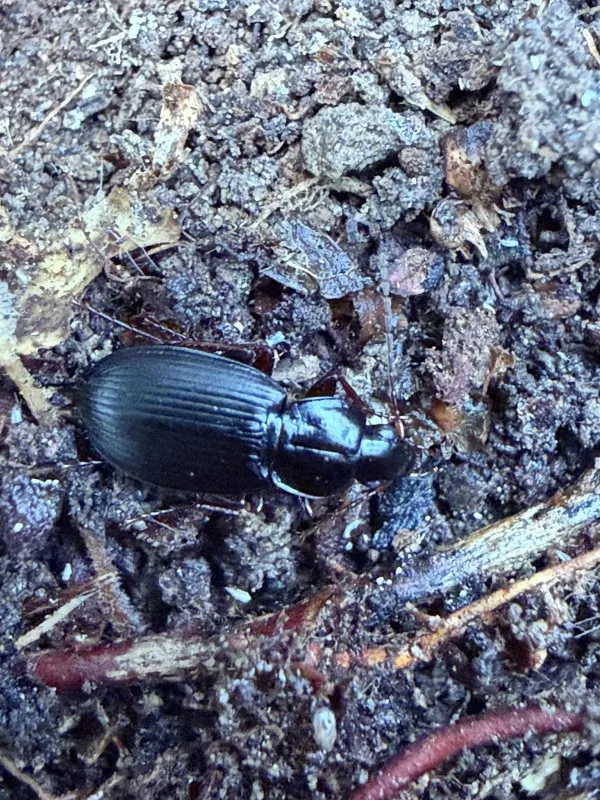
The genus Calathus belongs to the ground beetle family (Carabidae) of the order Coleoptera. Adult beetles are typically medium-sized with elongated bodies, generally colored in dark shades of black or brown.
A distinctive feature of these insects is their thin, long legs, which allow them to move rapidly across the soil surface and through crop debris. The elytra often display noticeable striae (grooves), and the head is equipped with strong, biting mouthparts.
The larvae are campodeiform, highly active, and primarily inhabit the upper soil layers or sheltered areas beneath plant remnants. Their development involves several larval stages, increasing in size as they mature.
Unlike most predatory ground beetles, some members of this genus are facultative omnivores, occasionally feeding on plant tissues, which classifies them as potential agricultural pests.
Identifying specific species within the genus is complex due to high morphological similarity, often requiring laboratory examination for accurate classification.
What it damages
Calathus can damage a variety of field crops, including cereals such as winter wheat, rye, and barley. These pests are most destructive during the seed germination phase and early seedling development.
Besides cereals, crops like sugar beets, corn, and sunflowers may also be affected. The beetles and larvae typically target young plants that are particularly vulnerable to mechanical injury.
Damage symptoms include the consumption of seed embryos, destruction of fragile shoots, and grazing on the epidermal layer of stems, which leads to reduced plant density in the field.
High infestation rates are frequently observed in fields where the previous crop was perennial grass or in fields with significant accumulation of organic mulch that supports the beetle population.
During dry seasons, when natural prey availability decreases, these beetles are more prone to attacking cultivated plants, resulting in localized patches of crop loss.
When it appears
The life cycle of Calathus is closely tied to seasonal temperature fluctuations. Hibernation usually occurs at the adult stage, buried in the soil or beneath plant debris.
In spring, as soil temperatures rise, adult beetles become active and migrate to fields with newly emerging crops to feed.
The breeding season typically spans spring and summer, during which females deposit eggs directly into the soil. Most species complete one generation per year.
Larvae develop throughout the summer, with their activity and survival rates heavily dependent on soil moisture levels.
By autumn, larvae pupate, and the newly emerged adults prepare for the winter dormancy period. Consequently, the greatest threats to crops occur during the spring and autumn months.
Signs of infestation
The primary indicator of infestation is the presence of sparse patches in a field where seedlings failed to emerge or were destroyed during the sprout stage.
Examination of damaged plants reveals jagged leaf edges or deep gouges near the base of the stem, which are usually inflicted during nocturnal hours.
The discovery of beetles or their larvae during soil inspections around damaged zones confirms the presence of the pest.
Surface damage often paves the way for secondary plant pathogens, causing the seedlings to appear stunted, yellow, or wilting.
- Seed mortality before emergence (empty soil holes).
- Specific indentations in the root zone.
- Detection of adults via soil excavation.
- Localized thinning of crops in early spring.
Control measures
The primary control strategy involves thorough soil preparation before sowing to eliminate weed habitats and disrupt overwintering sites.
Adopting proper crop rotation practices significantly helps reduce population density by avoiding susceptible crops following perennial grasses or stubble fields.
Seed treatment with systemic insecticides prior to planting provides crucial protection for young seedlings during their most sensitive development phase.
If population thresholds are exceeded, targeted spraying of field margins or infested areas with approved insecticides can be implemented.
Optimal sowing dates and rapid crop establishment are essential agrotechnical measures that help plants outgrow the vulnerable early developmental stages.
Taxonomy
- Latin name
- Calathus
- Order
- Coleoptera (beetles)
- Family
- Carabidae
- EPPO code
- CTHUSP
Discussion
No discussions yet — be the first.