
Brooksetta
Brooksetta
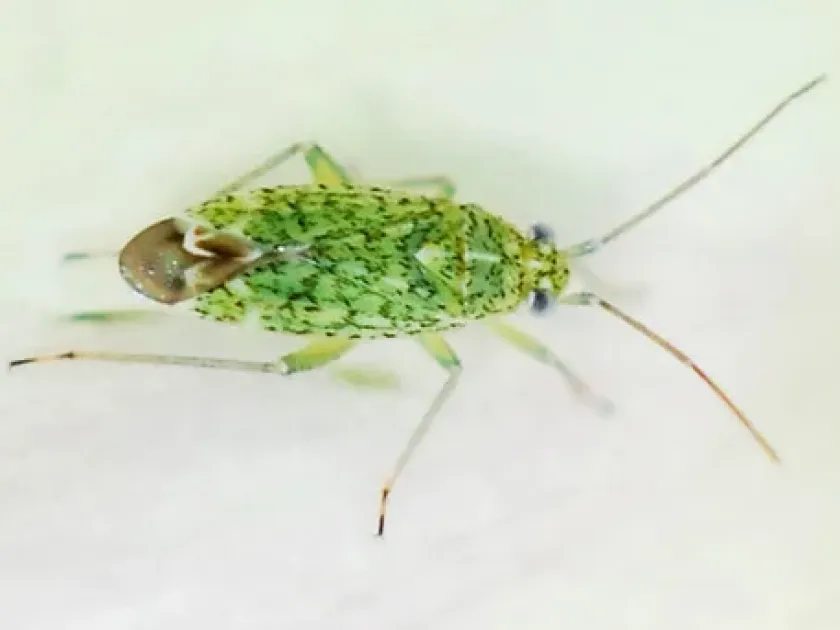
Description
How to identify
Brooksetta is a genus of insects belonging to the family Erebidae within the order Lepidoptera. Adult specimens are generally small nocturnal moths characterized by camouflage coloration, which allows them to blend effectively with tree bark, dry leaves, and other debris in their habitat.
The systematic position of this genus within the Erebidae family aligns it with various moth species, sharing common morphological traits such as a robust, hairy thorax and well-developed mouthparts. Larvae (caterpillars) typically possess prolegs that facilitate movement across plant surfaces during feeding stages.
Identifying this species in the field can be challenging due to the visual similarity to other members of the same family. Accurate species determination often requires an examination of the moth's genitalia; however, agronomists typically rely on larval morphology and specific feeding behavior to confirm the presence of the pest.
The biology of this pest is closely integrated into forest and meadow ecosystems, from which it easily migrates to agricultural crops. Optimal conditions for its development include moderate temperatures and relatively high humidity, which support both the adult mating cycle and the survival of the larvae.
Monitoring population levels is best achieved using light or pheromone traps, especially during the peak flight season. These tools allow agricultural specialists to detect early signs of infestation and implement necessary control measures before the pest reaches damaging population densities.
What it damages
The primary damage is caused by the larvae of Brooksetta, which are known for their polyphagous nature, meaning they feed on a wide variety of plant species. Common hosts include diverse decorative shrubs, fruit-bearing trees, and certain types of vegetable crops.
Larvae actively feed on leaves, starting from the epidermis and progressing to the skeletonization of the leaf blade. Massive infestations can lead to complete defoliation, which severely compromises the plant's ability to photosynthesize and significantly reduces overall yield.
Damage to generative organs, such as buds, flowers, and young fruit, is particularly dangerous. This directly affects the quality and volume of the harvest and can lead to fruit abscission or stunted development if the damage occurs during the early stages of plant maturation.
Injured tissues often become entry points for secondary infections, such as fungal or bacterial pathogens. This complicates plant maintenance and often requires additional intervention with fungicides or other protective agents.
Loss of biomass disrupts essential physiological processes, leading to reduced nutrient storage and lowered resistance to environmental stressors. Over time, weakened plants become more susceptible to harsh weather conditions, including frost or drought.
When it appears
The life cycle of Brooksetta is synchronized with the phenological stages of host plant development. Adult flight typically begins in late spring, as soon as consistent positive temperatures provide the environmental cues necessary for mating and oviposition.
Larval activity peaks during the summer months, aligning with the active growth phase of most crops. This period provides an abundant food source, enabling the caterpillars to consume large quantities of plant matter and grow rapidly toward the pupal stage.
Overwintering occurs either as pupae or dormant eggs, strategically hidden in soil or within plant debris. This survival mechanism allows the species to endure even harsh winter conditions, ensuring that populations persist throughout the year.
A second generation of the pest can emerge towards the end of summer, necessitating sustained monitoring efforts throughout the entire growing season. Farmers are advised to remain vigilant during August to identify signs of a potential second surge in population.
Climate variations, such as unseasonably warm springs, can accelerate the lifecycle of this pest. Consequently, defense schedules should be reviewed and adjusted annually based on real-time field observations and regional climate data.
Signs of infestation
The first noticeable signs of Brooksetta infestation are irregular holes or ragged edges on the leaves. Caterpillars often use silken threads to web leaves together, creating shelters that protect them from predators and extreme weather conditions.
Dark, granular excrement accumulating on leaves or the ground beneath the plant is a reliable indicator of active larvae. These droppings are easily visible during regular inspections of the base of the plant or the soil surface.
Leaf rolling or deformation resulting from larval feeding is another common symptom. This distortion affects the aesthetic value of ornamental plants and negatively impacts the growth and development of fruit-bearing species.
Damage to apical shoots can disrupt plant growth patterns, leading to stunted stems or abnormal branching. This is particularly critical for young saplings and nursery stock, where proper structural development is essential for future health.
During the spring inspection of bark, one might discover occasional egg clusters hidden in crevices. Proactive monitoring of these areas allows for targeted interventions before the larvae hatch and begin damaging the plant's green tissues.
Control measures
Effective management of Brooksetta relies on an integrated pest management (IPM) strategy that combines mechanical, biological, and chemical methods. Proactive agricultural practices are the foundation for reducing the pest's overwintering population.
Cultural practices, such as deep autumn tillage in garden plots and the thorough removal of leaf litter, help destroy pupae and eggs. Maintaining clean fields by eliminating weeds that may serve as alternative hosts is also a critical step in prevention.
Biological control includes the use of environmentally friendly products containing Bacillus thuringiensis or other insect-pathogenic organisms. These treatments are highly selective, providing effective control of larvae while sparing beneficial pollinators and natural predators.
Chemical insecticides should be applied only when the economic injury threshold is exceeded. It is crucial to target early larval stages, as they are significantly more susceptible to treatment, and to strictly adhere to label guidelines to minimize the risk of developing resistance.
Regular sanitation, including the pruning and removal of heavily infested shoots, is recommended to physically reduce population size. Improving canopy airflow through proper pruning also creates a less favorable environment for the development and spread of this pest.
Taxonomy
- Latin name
- Brooksetta
- Order
- Hemiptera (bugs, aphids, leafhoppers)
- Family
- Miridae
- EPPO code
- BROKSP
Discussion
No discussions yet — be the first.