
Bradycellus
Bradycellus
Description
How to identify
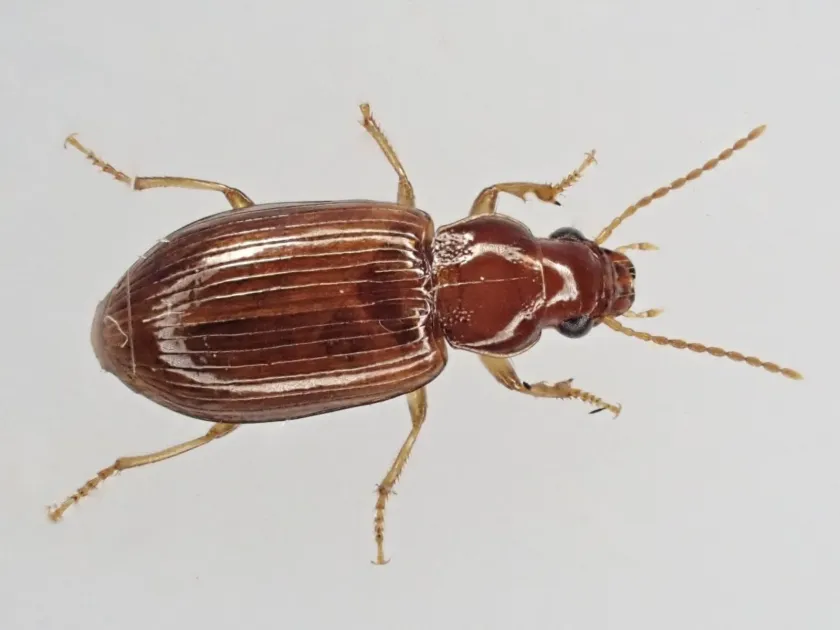
The genus Bradycellus belongs to the ground beetle family (Carabidae) of the order Coleoptera. These are generally small beetles, typically measuring between 3 to 7 millimeters in length.
Their bodies are usually dark, ranging from reddish-brown to black, with well-defined striations on the elytra. Their antennae and legs are often lighter in color compared to the rest of the body.
While most carabids are predaceous, some members of this genus have been noted to exhibit phytophagous behavior, feeding on the tender tissues of agricultural seedlings.
They are primarily nocturnal or crepuscular, spending the daylight hours hiding under soil clumps, vegetation debris, or in cracks in the ground, which makes them difficult to spot.
Distinguishing species within this genus is complex and usually requires an examination of male genitalia or specific morphological features under high magnification.
What it damages
Agricultural damage caused by Bradycellus is most prominent during the early development stages of crops such as winter wheat and other small grains.
Beetles can damage seedlings by feeding on the base of the stems or cutting through young tissues, which may lead to wilting and the total loss of individual plants in the row.
This feeding behavior can cause significant thinning of the stand, potentially requiring replanting if the population density of the pest is sufficiently high.
Beyond small grains, these beetles have been observed causing damage to various other crops, creating small irregular holes or notches in the leaves and stems.
The mechanical damage they inflict often predisposes the plants to secondary infections by soil-borne pathogens, compounding the negative impact on overall crop health.
When it appears
The life cycle of Bradycellus is closely tied to climatic conditions, with adult beetles typically being the overwintering stage in soil or under surface litter.
Activity peaks in the spring as temperatures rise, signaling the beetles to emerge, feed, and begin the reproductive cycle by laying eggs in the moist topsoil.
Larval development generally occurs during the spring and summer months, coinciding with the growing season when favorable moisture levels support their survival.
There is typically one generation per year, though this can vary based on regional weather patterns and the specific species within the genus.
As summer ends and temperatures drop, adults move into sheltered areas, including field margins, hedge rows, or deeper soil layers to prepare for the winter period.
Signs of infestation
Early indicators of a Bradycellus infestation include gaps or patchy areas within the crop rows, where plants appear stunted, withered, or partially consumed.
Close inspection of the soil near the base of affected plants often reveals small holes or surface excavations where the beetles hide during the day.
Visible damage to the stems, such as girdling or small gouges, suggests the presence of ground-dwelling pests active during the night or early morning hours.
The presence of predatory birds or small mammals foraging in newly seeded fields can serve as an indirect sign that high numbers of ground invertebrates are present.
Soil sampling using sieves or trapping methods can confirm the presence and density of the beetles before visible damage becomes widespread across the field.
Control measures
Effective management begins with good agronomic practices, such as deep autumn plowing, which disrupts the overwintering sites of the beetles.
Maintaining a clean field environment by removing weeds and plant debris reduces the available habitat for the beetles to thrive during the off-season.
Seed treatments with systemic insecticides are considered the most efficient approach for protecting germinating crops from early-season soil pest damage.
Foliar insecticide applications should be reserved for situations where the pest population exceeds established economic thresholds to minimize environmental impact.
Regular monitoring using traps or field inspection is crucial for timely decision-making and preventing excessive damage to emerging crop stands.
Taxonomy
- Latin name
- Bradycellus
- Order
- Coleoptera (beetles)
- Family
- Carabidae
- EPPO code
- BRDCSP
Discussion
No discussions yet — be the first.