
Blethisa
Blethisa
Description
How to identify
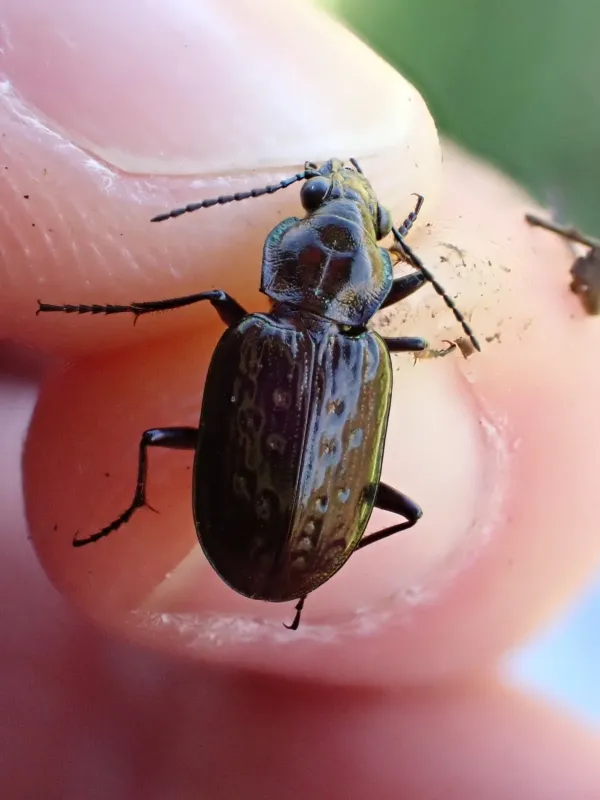
The genus Blethisa belongs to the family Carabidae (ground beetles) within the order Coleoptera. These beetles are easily identified by their flattened body shape and unique, pitted texture on their elytra.
Adult beetles typically possess a dark coloration, often showing a distinct bronze or metallic sheen. They have a robust head and strong mandibles, which are clear anatomical features of a predatory insect.
Larvae of the genus Blethisa follow the standard carabid morphology, being highly mobile with well-developed legs. They actively roam the soil surface and organic litter to search for prey.
This genus is strongly associated with moist environments. You will most frequently find them near the edges of water bodies, in wetlands, or in poorly drained parts of agricultural fields.
Unlike herbivorous insects, these beetles occupy a high trophic level, serving as essential predators of smaller invertebrates within the field ecosystem.
What it damages
It is critical for agronomists to recognize that Blethisa species are not crop pests. They are predators that feed on other small insects and larvae, acting as natural biological controls.
They do not consume plant tissues, roots, or seeds. Therefore, they do not cause direct economic damage to crops such as cereals, vegetables, or industrial crops.
Potential damage is non-existent, but confusion may arise when their presence is misinterpreted during field scouting. It is vital not to mistake these beneficial beetles for crop-eating carabids.
The only concern regarding their presence is the misidentification of the insect, which could lead to unnecessary and harmful pesticide applications that kill off beneficial fauna.
Field professionals should focus on identifying true pests, while acknowledging that the presence of Blethisa suggests a balanced ecosystem where natural predators are working for the farmer.
When it appears
The life cycle of Blethisa is tightly linked to seasonal moisture and temperature. Adults typically become active in the early spring as soon as soil temperatures rise.
Reproduction occurs during the warmer months. Eggs are laid in moist soil or organic debris, providing the necessary humidity for larval development to proceed successfully.
Larval stages occur throughout the summer, with the larvae actively hunting for prey. Pupation takes place in soil chambers constructed by the larvae.
Adults overwinter by burrowing into the soil or sheltering under plant residues, remaining dormant until the return of favorable spring conditions.
Peak activity is observed during periods of high humidity, particularly following rainfall or in irrigated fields where moisture levels remain consistently elevated.
Signs of infestation
Signs of Blethisa presence include finding the beetles during routine field scouting, particularly when digging into the soil or inspecting the base of plants in damp areas.
Their presence in pitfall traps or observing them on the soil surface at night confirms they are active in the field, indicating a healthy predator population.
The lack of visible leaf damage or stunted growth in areas where these beetles are abundant is a strong indicator that they are preying on other insects rather than crops.
Small burrows or tracks in moist soil can also indicate their activity, as they seek cover from heat or dryness during the day.
If you encounter high numbers of these beetles, it is advised to perform a professional identification to confirm their role as beneficial predators rather than pests.
Control measures
There are no control measures required for Blethisa, as they are not pests. They provide a valuable service by keeping populations of harmful insects in check.
Agronomists should prioritize the conservation of these beetles to support biological pest management programs within the field.
If managing the environment where they reside is necessary, consider the following agronomic practices:
- Maintain proper field drainage to prevent excessive waterlogging if it interferes with machinery access.
- Implement diverse crop rotations to sustain a balanced ecosystem.
- Avoid broad-spectrum insecticide use, which harms beneficial insect populations and disrupts natural control.
Integrated Pest Management (IPM) strategies emphasize the protection of such predators to reduce the reliance on chemical inputs.
Taxonomy
- Latin name
- Blethisa
- Order
- Coleoptera (beetles)
- Family
- Carabidae
- EPPO code
- BLETSP
Discussion
No discussions yet — be the first.