
Blepharidopterus
Blepharidopterus
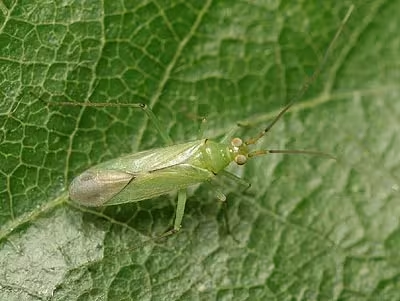
Description
How to identify
Blepharidopterus is a genus of plant bugs belonging to the Miridae family, which is part of the Hemiptera order. These insects are characterized by their slender, elongated body shapes and typically small size, common to many mirid species.
Adults exhibit a color palette ranging from pale green to yellowish-green, providing excellent camouflage against the foliage of host plants. They possess distinct antennae and well-developed eyes that aid in their movement and foraging.
Nymphs, or immature stages, resemble adults but lack functional wings. As they develop through several molting stages, they gradually increase in size and deepen in pigmentation.
Their morphological structure allows them to navigate foliage with ease. These bugs are known for their agile behavior when disturbed, often moving quickly to the underside of leaves or hiding along veins.
The life history of this genus is closely tied to deciduous trees, where they fulfill different ecological roles depending on the availability of food sources and environmental conditions.
What it damages
Blepharidopterus species primarily feed on deciduous trees, with alder, linden, and ash being common hosts. They inhabit these trees, utilizing their piercing-sucking mouthparts to feed on plant juices.
While often acting as predators of other small arthropods like spider mites, these bugs can turn to phytophagy—feeding on plant sap—when animal prey is scarce. This dual feeding habit makes them occasional plant pests.
The damage caused by feeding results in localized chlorosis or small necrotic spots on leaves. This happens when the bug punctures the plant epidermis, leading to impaired photosynthetic activity in the affected areas.
High population densities can cause significant stress to trees, particularly young specimens. Chronic feeding may result in stunted growth and a general decline in the plant's health.
In extreme cases, persistent infestation can lead to premature leaf drop, which reduces the tree's ability to store energy for the subsequent growing season.
When it appears
The seasonal activity of Blepharidopterus follows the growth cycle of their host plants. They overwinter primarily in the egg stage, with eggs embedded in the bark or tender woody tissues of the host tree.
Nymphs emerge in the spring, coinciding with the budburst and the initial flush of new leaves. This ensures that the nymphs have immediate access to high-quality, nutrient-rich plant tissue.
Development from nymph to adult typically spans several weeks during the late spring and early summer. Peak adult populations are usually observed in mid-to-late summer.
Depending on the local climate and temperature, the insect may complete one or more generations per season. Warm and stable summer weather generally favors higher reproduction rates.
As autumn approaches, the activity declines. After mating, females deposit their eggs into the host's bark to ensure the species' survival throughout the dormant winter months.
Signs of infestation
The most noticeable signs of a Blepharidopterus infestation are tiny light-colored spots on the foliage. These lesions represent the specific feeding sites where the insect has tapped into plant cells.
Close inspection of the underside of the leaves often reveals the presence of nymphs or adults. They are frequently found residing along the midribs or the junctions of the leaf veins.
Small, dark droplets of excrement left on the leaf surfaces are another indicator of their presence. These spots serve as evidence of localized feeding activity over time.
Severe infestations may result in leaf curling or distortion. When the damage is extensive, the affected leaves may lose turgor, turn yellow, and appear scorched before eventually falling off.
These puncture wounds can also serve as entry points for secondary pathogens, such as fungi or bacteria, potentially leading to additional tissue damage beyond the initial feeding site.
Control measures
Effective management begins with maintaining high plant vigor through proper irrigation and nutrition, which helps trees withstand feeding damage. Cultural practices that keep plants healthy are the first line of defense.
Encouraging natural predators is highly recommended. Various species of spiders, lacewings, and predatory beetles feed on these bugs, naturally keeping their populations within manageable limits.
If populations exceed economic thresholds, the application of horticultural oils or low-toxicity insecticides can be used to reduce their numbers. Always prioritize products that minimize harm to beneficial insects.
Monitoring using sticky traps can provide early warning of insect migration, allowing for targeted intervention before major egg-laying occurs.
- Prune tree crowns to improve airflow and reduce humidity around foliage.
- Collect and dispose of infested fallen leaves to reduce overwintering sites.
- Use biological control agents where possible to maintain an ecological balance.
- Apply systemic treatments only if the tree's health is severely compromised.
Taxonomy
- Latin name
- Blepharidopterus
- Order
- Hemiptera (bugs, aphids, leafhoppers)
- Family
- Miridae
- EPPO code
- BLPDSP
Discussion
No discussions yet — be the first.