
Betasyrphus adligatus
Betasyrphus adligatus
Description
How to identify
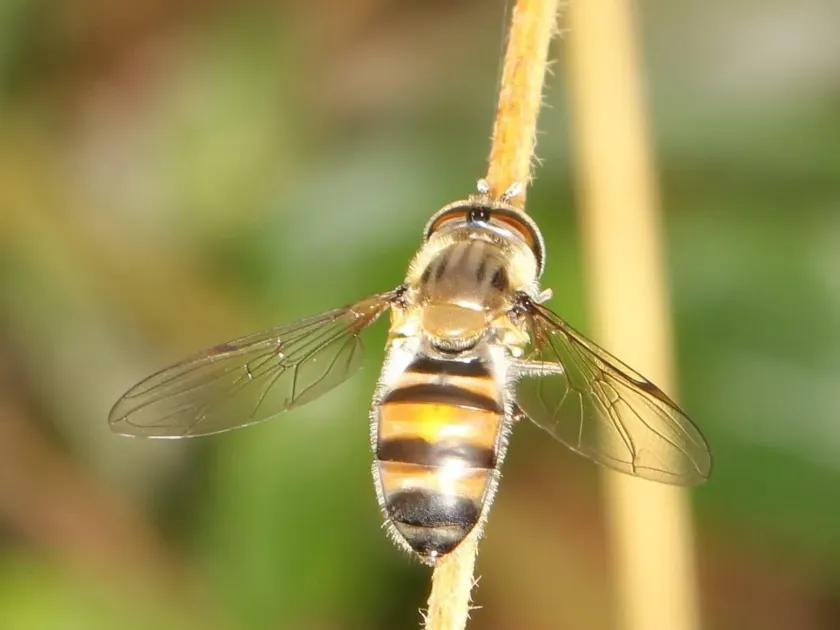
Betasyrphus adligatus is a species within the Syrphidae family, commonly known as hoverflies. Adult flies are often mistaken for bees or wasps due to their distinctive yellow and black markings.
The body of the adult fly is robust, with large compound eyes and characteristic wing venation that distinguishes it from other similar-looking dipteran species in agricultural settings.
The larvae are typically maggot-like, devoid of distinct appendages, and often display colors that blend into the foliage, making them difficult to spot during initial visual inspections of a plant.
Unlike many predatory syrphids, certain populations or stages of Betasyrphus adligatus can act as opportunistic pests, feeding on soft plant tissues when natural food sources are limited.
Precise identification is critical for professional agronomists, as it requires microscopic examination of structural features to distinguish this pest from beneficial hoverfly species that consume aphids.
What it damages
The pest primarily targets the soft, succulent tissues of young shoots and buds. Its feeding activity interferes with the nutrient transport system, leading to stunted growth.
Symptoms of infestation include the curling and deformation of leaves at the terminal points of the plant, which severely inhibits the photosynthetic capacity of the foliage.
In addition to direct tissue damage, the feeding sites become susceptible to secondary infections from opportunistic pathogens such as fungi and bacteria, which exacerbate the harm.
Infestations in nursery environments can be particularly devastating, where high humidity and temperature promote rapid generation turnover and high larval population density.
The aesthetic value of ornamental plants is significantly reduced by the presence of larval waste products and the subsequent wilting of buds and floral parts.
When it appears
The life cycle begins in early spring as temperatures rise, signaling the emergence of adults that seek out optimal hosts for laying eggs on succulent plant parts.
Depending on local climatic conditions, multiple generations can occur throughout the growing season, which necessitates a sustained monitoring strategy throughout the summer months.
The pupal stage is often passed in the soil or in sheltered crevices within the plant debris, providing protection against fluctuating environmental conditions and natural predators.
Peak activity periods are closely aligned with the flush of new growth in many vegetable and flowering crops, providing abundant food resources for the developing larvae.
The mobility of adult flies allows them to rapidly colonize new areas, especially in greenhouse environments where indoor conditions permit continuous breeding throughout the year.
Signs of infestation
The first indicator of an infestation is often the localized wilting or disfigurement of young leaves that fail to expand properly during the active growth phase.
Small, necrotic spots or lesions may appear on the epidermis of stems and leaf petioles where larvae have been feeding, often turning brown or black as the tissue dies.
Increased ant activity around certain sections of the plant often indicates the presence of larvae, as ants are attracted to the secretions and waste produced by the pests.
Close inspection of the underside of leaves or deep inside terminal buds may reveal small, semi-transparent larvae that remain stationary when disturbed, providing clear evidence of an active population.
An overall lack of vigor in the crop, despite adequate fertilization and water, is a common indicator that hidden pests are undermining the plant's physiological health.
Control measures
Managing Betasyrphus adligatus requires an integrated pest management (IPM) approach that focuses on early detection and the use of targeted control measures.
- Implementing strict field sanitation by removing crop residues and debris.
- Practicing effective weed control to reduce alternative host plants around the crop.
- Using systemic insecticides if the damage threshold is exceeded, ensuring application during low-activity periods for pollinators.
- Deploying yellow sticky traps or pheromone baits to monitor the flight patterns of adult flies.
- Encouraging the presence of natural parasites that can help maintain the larval population at sub-economic levels.
Monitoring is the most crucial step; regular scouting of terminal growth helps prevent the escalation of infestations that could compromise total yield quality.
When applying chemical treatments, it is essential to consider the safety of surrounding beneficial insect populations and strictly follow pre-harvest intervals.
Sustainable agronomic practices, such as maintaining plant health through balanced nutrition, often help plants recover faster from minor pest feeding damage.
Taxonomy
- Latin name
- Betasyrphus adligatus
- Order
- Diptera (flies)
- Family
- Syrphidae
- EPPO code
- SYRPAD
Discussion
No discussions yet — be the first.