
Betasyrphus
Betasyrphus
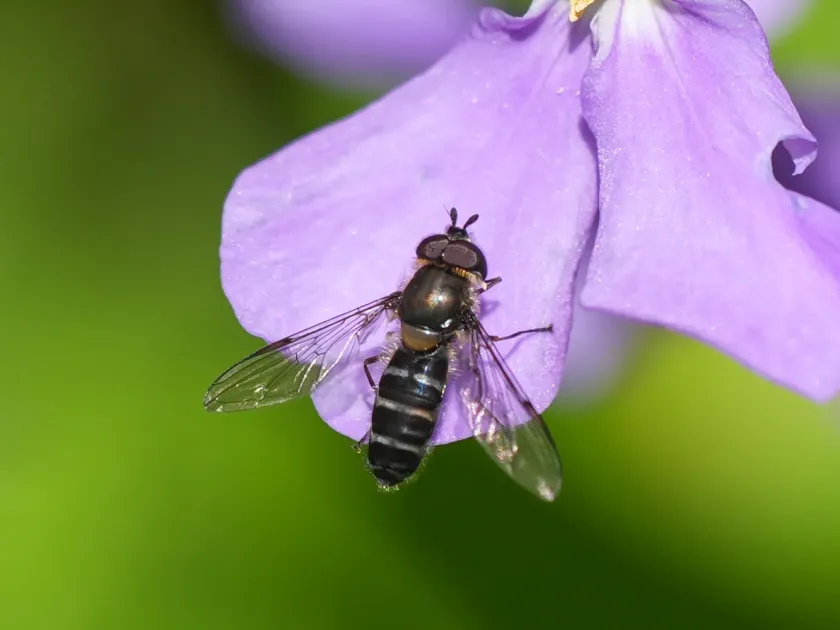
Description
How to identify
Betasyrphus is a genus of hoverflies belonging to the Syrphidae family. Adult flies are often seen hovering around flowers and are easily mistaken for bees or wasps due to their distinct yellow and black abdominal markings, which serve as protective mimicry.
The larvae, however, exhibit different characteristics, having an elongated, flattened, and often greenish body that blends perfectly with the foliage of host plants. Their identification at the larval stage is crucial for early detection in agricultural settings.
The life cycle of the insect consists of a complete metamorphosis, moving through egg, larval, pupal, and adult stages. The duration of each cycle depends heavily on temperature and humidity, with warmer seasons accelerating the development of multiple generations.
Scientific identification of Betasyrphus species usually requires a detailed examination of male genitalia and specific wing venation patterns under a microscope. Field workers often use visual assessment of larvae location to differentiate them from beneficial aphid-eating syrphids.
Their prevalence is highest in environments with lush vegetation, where they can easily find nectar sources for adults and adequate substrate for the larval stage. Managing their habitat is the first step in population control.
What it damages
While many syrphids are considered beneficial predators, Betasyrphus larvae can become problematic when they switch to feeding on plant tissues. This feeding behavior causes mechanical injury to stems, leaves, and young shoots, affecting the plant's structural integrity.
The damage is particularly significant in greenhouse environments where humidity levels are kept constant. The larvae chew through the epidermal layers, leading to localized tissue necrosis and weakening the plant's overall vigor.
Stunted growth, yellowing leaves, and deformation of apical meristems are common signs of infestation. These injuries facilitate the entry of secondary pathogens, leading to potential outbreaks of fungal or bacterial diseases within the crop.
Host plants commonly affected include various vegetables and ornamental species. Because the damage can mimic symptoms of nutrient deficiency or other insect bites, proper diagnosis is often delayed, leading to more extensive crop loss.
The economic impact manifests as reduced market value for produce and increased costs associated with remedial treatments. Early detection is essential to preventing the escalation of the infestation to a level that requires heavy chemical intervention.
Control measures
Effective management of Betasyrphus relies on integrated pest management (IPM) practices. Regular scouting and monitoring of the greenhouse or field are necessary to identify early symptoms of larvae feeding activity.
Cultural control methods such as weed management, proper irrigation, and maintaining optimal spacing between plants help to reduce the attractiveness of the area to egg-laying adults. Reducing damp debris around the base of plants is also highly recommended.
Biological control involves promoting the presence of natural enemies. Many parasitoid wasps are capable of controlling larval populations naturally, provided that the overall ecosystem remains balanced and free of broad-spectrum pesticides.
When chemical intervention is required, choose selective insecticides that target the larval stages while sparing adult pollinators. Always follow the manufacturer's label instructions regarding dosage and safe harvest intervals to ensure food safety.
Monitoring using yellow sticky traps is a standard practice for assessing adult activity. This data helps farmers determine the optimal timing for interventions, ensuring maximum effectiveness with minimal environmental impact.
Taxonomy
- Latin name
- Betasyrphus
- Order
- Diptera (flies)
- Family
- Syrphidae
- EPPO code
- BETASP
Discussion
No discussions yet — be the first.