
Bembidion mannerheimii
Bembidion mannerheimii
Description
How to identify
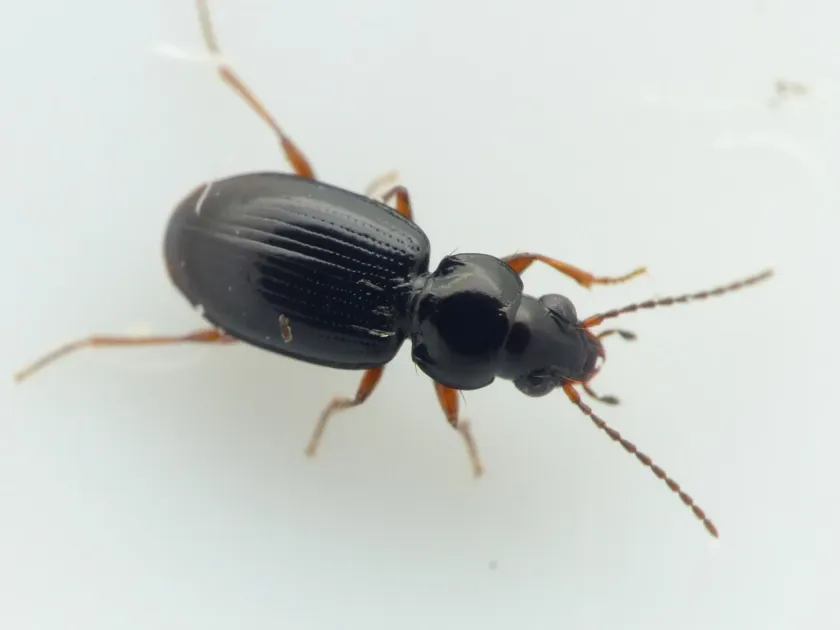
Bembidion mannerheimii is a small beetle species belonging to the family Carabidae, the ground beetles. These insects typically reach a length of 3–4 mm and possess a metallic sheen, typical of the genus Bembidion, along with agile movement patterns.
Adults are usually bronze-black or dark in color, which serves as a cryptic coloration within soil environments. They have well-developed mandibles, enabling them to navigate through soil crevices and hunt for organic matter or prey.
The life cycle follows complete metamorphosis, including egg, larva, pupa, and adult stages. Overwintering occurs in the adult stage within the upper layers of the soil or beneath accumulated plant debris, allowing them to emerge early in the spring.
The larvae are campodeiform and active, inhabiting the rhizosphere of plants where they seek moisture and shelter. Their development is highly dependent on ambient soil temperatures and moisture availability.
Although many carabids are recognized as beneficial predators, B. mannerheimii can display phytophagous tendencies in specific agricultural settings, leading to potential economic damage in commercial farming.
What it damages
The primary damage caused by Bembidion mannerheimii is centered on the early stages of crop development, specifically affecting germinating seeds and young seedlings of cereals and various row crops.
Feeding activity on seeds frequently leads to the destruction of the embryo, which prevents germination and causes significant gaps in the field stand density, reducing the final crop yield.
Seedlings are targeted by both larvae and adults, which bite into the stem or radical parts. These wounds provide entry points for secondary fungal and bacterial infections, further weakening the young plant.
High infestations often occur in fields with poor drainage or high organic matter content, where the environmental conditions favor the survival and reproduction of this beetle population.
The cumulative damage caused by these insects during the critical emergence phase can lead to substantial financial losses, especially when weather conditions delay plant growth and prolong the period of susceptibility.
Control measures
Integrated Pest Management (IPM) is the most effective approach to handle Bembidion mannerheimii, starting with proper land preparation to reduce favorable overwintering sites for the beetles.
Seed treatments using systemic insecticides are the standard and most reliable method to protect crops during the vulnerable seedling stage, ensuring that plants are defended as soon as they begin to germinate.
Crop rotation remains a fundamental practice to disrupt the insect's life cycle, preventing the buildup of large populations that could otherwise overwhelm the crop during the spring season.
Monitoring the fields using soil traps during the early spring allows agronomists to assess the density of the population and decide on the necessity of intervention before planting begins.
- Use of professional-grade insecticidal seed treatments.
- Maintaining optimal soil drainage to discourage population buildup.
- Mechanical cultivation to disrupt beetle habitats in the soil.
- Strategic timing of planting to avoid peak insect activity periods.
Taxonomy
- Latin name
- Bembidion mannerheimii
- Order
- Coleoptera (beetles)
- Family
- Carabidae
- EPPO code
- BEMDMA
Discussion
No discussions yet — be the first.