
Austropeplus
Austropeplus
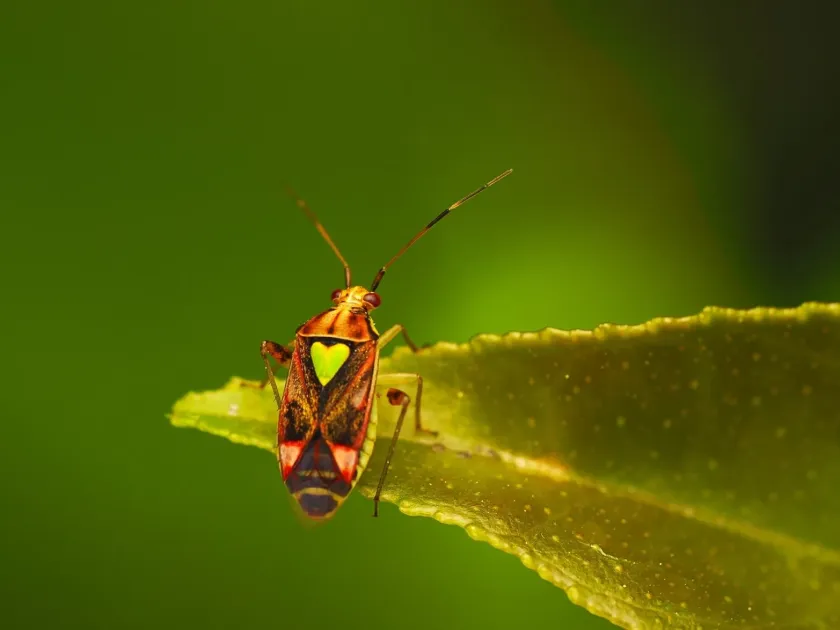
Description
How to identify
Austropeplus belongs to the family Notonectidae, part of the order Hemiptera. These insects have a streamlined body adapted for aquatic life and long hind legs that act as oars.
Representatives of this genus have specific coloration, allowing them to camouflage themselves among aquatic vegetation. The size of adults usually ranges from medium to large within the family.
The visual organs of Austropeplus are highly developed, allowing them to effectively detect prey in low-light conditions. As air-breathers, they are typical inhabitants of aquatic environments, surfacing periodically.
The taxonomy of this genus requires careful approach, as their external similarity to other backswimmers can make identification difficult without specialized keys.
It is important to distinguish Austropeplus from other aquatic bugs, as they are predatory and can pose a threat to small organisms in agroecosystems related to water bodies.
What it damages
The main damage from this genus occurs when they infest irrigation canals, rice paddies, or aquatic plant nurseries.
In rice farming, Austropeplus can harm fish fry used in integrated (fish-rice) farming systems, thereby reducing overall farm productivity.
Although adults and nymphs are predatory, their presence in excessive numbers disrupts the balance of the aquatic ecosystem near agricultural land.
Damage is manifested indirectly: by consuming beneficial prey organisms that fish fry feed on in commercial facilities.
There is also a potential indirect threat to hydroponics and enclosed water bodies, where Austropeplus may compete with other species or damage tender shoots of aquatic plants while moving.
When it appears
The activity of Austropeplus depends directly on water temperature and seasonal climate changes in their habitat.
The most active development of the population occurs in the spring and summer, when water warming accelerates metabolism and reproduction.
In autumn, as temperatures drop, the insects slow their activity, entering a state of diapause or selecting deeper parts of water bodies for overwintering.
Seasonal migrations of Austropeplus may be linked to the search for new food sources or the drying up of temporary water bodies, forcing them to fly to neighboring areas.
Monitoring for adults should be conducted at the beginning of the crop growing season, when population density in rice paddies begins to rise.
Signs of infestation
The presence of Austropeplus in a water body is easily detected by the characteristic sharp movements of insects near the water surface on sunny days.
When inspecting nets or traps set in water bodies near crops, adults or nymphs are often discovered, which is a clear signal to begin control.
The presence of damaged small organisms or a decrease in the prey base for fish in integrated farms is an indirect sign of this predator's multiplication.
At night, these insects can be active, reacting to light sources located near water bodies or production areas.
Surface water films in areas of mass accumulation of bugs can be disturbed due to the frequent diving and surfacing of the insects, which is noticeable during thorough visual inspection.
Control measures
The main control method is agrotechnical management aimed at draining or changing water in paddies during peak pest activity periods.
Biological protection includes utilizing natural predators such as specialized bird species or large fish capable of regulating the insect population.
If chemical control is necessary, it is crucial to choose agents with minimal toxicity to the target aquaculture species.
Clearing the shoreline of water bodies from excessive vegetation reduces the attractiveness of the habitats for Austropeplus and removes hiding spots for egg-laying.
- Regular monitoring of population density.
- Timely cleaning of water canals from weeds.
- Using nets to restrict the migration of individuals.
Taxonomy
- Latin name
- Austropeplus
- Order
- Hemiptera (bugs, aphids, leafhoppers)
- Family
- Miridae
- EPPO code
- AUPESP
Discussion
No discussions yet — be the first.